Step into any bustling teashop in Tamil Nadu’s deep south, like my usual haunt in Parvathipuram, Nagercoil, and you’ll find a richer, more nuanced political debate than any news channel offers. Over frothy tea and golden banana fritters, people from every corner of the political spectrum chat, argue, and find common ground. It’s a fascinating microcosm, where those engaged in physical labor often hold their political opinions lightly, free from the intense emotions that plague others. They’re too busy living, too active to get bogged down in the kind of malice you sometimes find among certain retired middle-class individuals – affectionately, or perhaps not so affectionately, dubbed “uncles” by Gen Z.
The DMK’s Digital Dilemma
This vivid local scene highlights a growing disconnect, one that the ruling DMK party seems to have profoundly misunderstood, particularly concerning younger voters. As the buzz builds for the 2026 State Assembly election, a critical question looms: did the DMK’s aggressive, often “toxic” social media strategy backfire spectacularly, alienating the very demographic that holds the keys to the future?
The Shift to the Screen
Politics, like everything else, has increasingly migrated online. For Gen Z and younger millennials, the internet isn’t just a tool; it’s their primary arena for information, debate, and identity formation. They navigate Instagram reels, X (formerly Twitter) threads, and YouTube explainers with the same ease their grandparents once flipped through newspaper pages. This digital-first generation expects authenticity, dialogue, and a certain level of sophistication in their online interactions. They can spot a canned political message or a heavy-handed attack from a mile away.
A Strategy Out of Touch
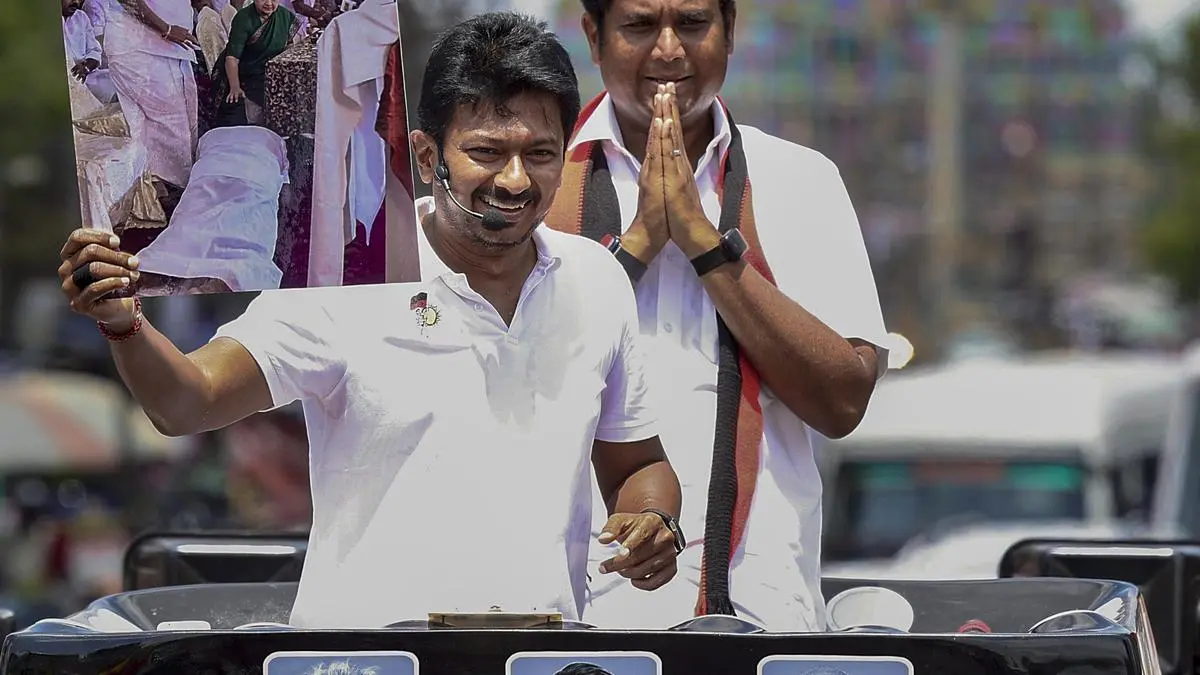
The DMK’s approach, according to many observers, was stuck in a bygone era. Their social media channels, often spearheaded by figures like Deputy Chief Minister Udhayanidhi Stalin and IT wing secretary T.R.B. Rajaa, reportedly relied heavily on ideological preaching, aggressive rhetoric, and an unfortunate dose of trolling. It felt less like engagement and more like a top-down broadcast, reminiscent of old television-era habits translated clumsily to a highly interactive digital space. Imagine trying to win a TikTok dance-off with a meticulously prepared speech – it just doesn’t land.
When Trolling Goes Wrong
While aggression and trolling can sometimes rally a loyal base, they often push away the undecided and the youth who crave substantive discussions, not digital brawls. Younger voters are wary of echo chambers and are quick to disengage from content that feels overly partisan or hostile. They’re looking for solutions, for vision, for leaders who can connect on a human level, not just shout the loudest or hurl the sharpest insults. This isn’t about shying away from strong opinions, but about how those opinions are presented and debated.
The Rise of a New Voice
In this evolving landscape, some emerging political forces seem to have instinctively grasped the shift. While the article hints at TVK sensing the desire for change, it underscores a broader trend: parties that can offer a fresh, less confrontational, and more inclusive online presence are poised to capture the imagination of the youth. They might not have the historical gravitas or the established party machinery, but they possess the digital fluency and emotional intelligence to resonate with a generation that values nuance over dogma.
Consequences for 2026
The implications of this social media misstep for the DMK are significant as the 2026 election draws closer. Youth voter turnout is increasingly crucial, and their digital presence influences not just their own votes but also those of their families and social circles. A party that fails to connect authentically with this demographic risks not just losing votes but also losing relevance in the long run. The battle for Tamil Nadu’s future is increasingly being fought not just on rally grounds, but in the comments sections and viral posts of the internet.
Why This Matters
This story isn’t just about one party’s social media woes; it’s a vital lesson for political entities worldwide. In an age dominated by digital communication, understanding your audience – particularly the digitally native youth – is paramount. Relying on outdated tactics, aggression, or a one-way communication model is a recipe for alienation. Authenticity, dialogue, and a willingness to engage respectfully are no longer just good practices; they are essential survival tools in the modern political arena. The parties that master this will shape the future.