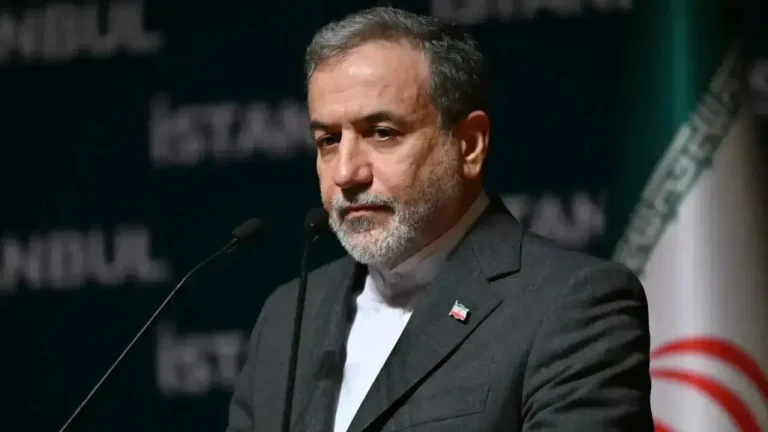
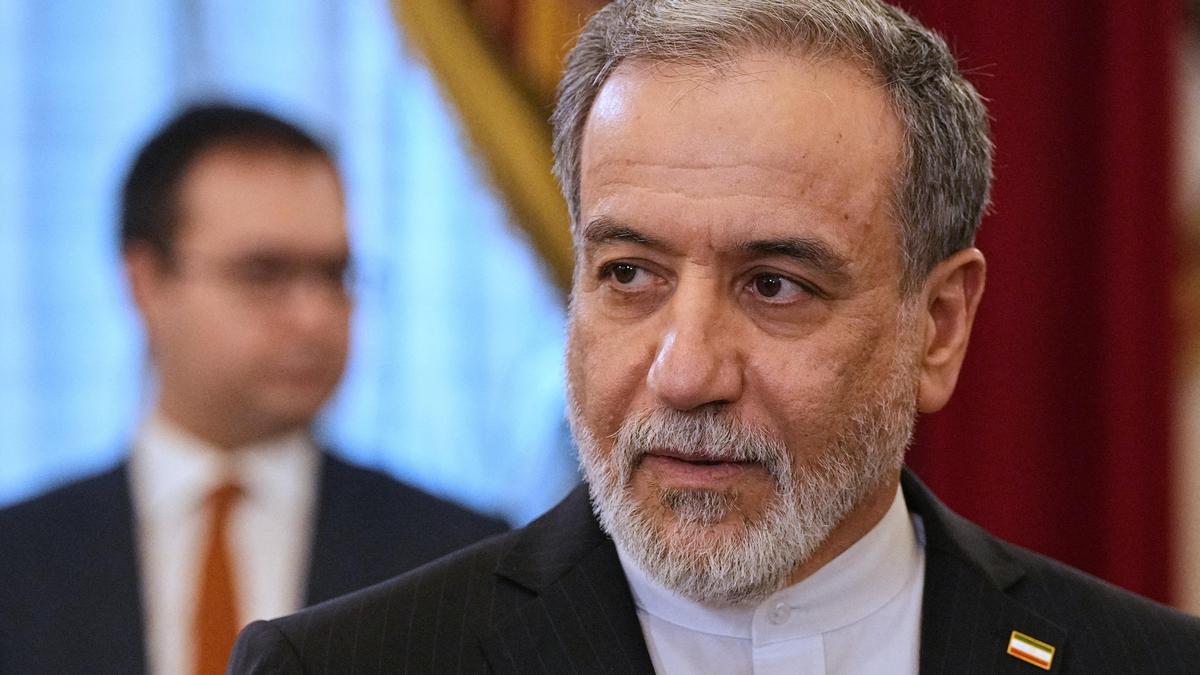
In a swift and significant diplomatic maneuver, Iran’s Foreign Minister, Araghchi, is en route to China, a move announced by the Ministry as the Middle East grapples with escalating tensions, including the ongoing conflict between Iran and Israel. This visit underscores the urgent need for strategic alliances and de-escalation efforts as the region teeters on the brink.
The Diplomatic Blitz Begins
The news, terse yet impactful, confirms that Iran’s chief diplomat is making a direct appeal to Beijing. While details of the agenda remain under wraps, the timing speaks volumes. With the specter of “war LIVE” hanging heavy over the region, as suggested by ongoing reports, Araghchi’s journey is a clear signal of Iran’s intent to engage key global players in navigating the perilous geopolitical landscape.
This isn’t just a routine diplomatic stop. It’s a calculated play on the international chessboard, a move designed to shore up support, seek economic assurances, and perhaps even explore avenues for mediation or de-escalation with one of the world’s most influential powers.
A Region on Edge
The backdrop to this urgent visit is a Middle East gripped by unprecedented volatility. Tensions between Iran and Israel have been a long-standing flashpoint, but recent events have pushed them dangerously close to open conflict. Strikes and counter-strikes, often shrouded in a fog of war, have created a climate of deep uncertainty and fear across the region. Every diplomatic overture, every military movement, is scrutinized for its potential to either douse the flames or fan them further.
In this high-stakes environment, nations are scrambling to protect their interests and ensure their security. Iran, facing intense international pressure and sanctions, finds itself particularly reliant on its established partnerships, and few are as critical as its relationship with China.
Beijing’s Pivotal Role
China, a permanent member of the UN Security Council and an economic powerhouse, wields considerable influence on the global stage. Its “no-limits” partnership with Russia, coupled with its growing economic ties across the Middle East, positions it as a crucial actor in any attempt to stabilize the region. For Iran, China represents a vital economic lifeline, a significant market for its oil, and a potential political bulwark against Western sanctions and diplomatic isolation.
Historically, Beijing has maintained a delicate balancing act in the Middle East, seeking to protect its energy interests while avoiding direct entanglement in regional conflicts. However, its increasing economic footprint and strategic ambitions mean it can no longer remain a passive observer. China’s recent successes in brokering a rapprochement between Iran and Saudi Arabia demonstrate its potential as a peace broker, albeit one with its own strategic agenda.
What’s on Araghchi’s Agenda?
While official statements will likely be guarded, the focus of Araghchi’s discussions in Beijing will almost certainly revolve around several critical areas:
* De-escalation and Stability: Iran will likely seek China’s diplomatic leverage to press for de-escalation of hostilities with Israel and to prevent the current tensions from spiraling into a wider regional war.
* Economic Support: With international sanctions always a looming threat, Iran will undoubtedly aim to reinforce its economic partnership with China, ensuring continued trade and investment flows crucial for its economy.
* Strategic Alignment: Both nations share a common interest in challenging what they perceive as Western hegemony. Discussions could focus on further aligning their strategic interests, particularly in multilateral forums.
* Energy Security: China is a major consumer of Iranian oil, making this a mutually beneficial relationship. Securing these energy pathways will be paramount for both sides.
The visit comes at a time when the world is holding its breath. Every word exchanged, every agreement reached (or not reached), could have profound implications for millions of people caught in the crossfire of geopolitical rivalries.
China’s Balancing Act
For Beijing, hosting Araghchi presents its own set of challenges and opportunities. While China values its strategic partnership with Iran, it also maintains economic ties with other regional players and aims to project an image of a responsible global power committed to stability. Its policy generally emphasizes non-interference, but the current climate might compel a more active diplomatic role.
China will need to carefully calibrate its response, offering support to Iran without alienating other key partners or being seen as endorsing actions that could destabilize the region further. Its approach will likely be pragmatic, focusing on fostering dialogue and protecting its economic interests while subtly enhancing its own geopolitical standing.
Looking Ahead: A Diplomatic Tightrope
Foreign Minister Araghchi’s visit to China is more than just a bilateral meeting; it’s a barometer of the evolving global order and a critical moment in the ongoing Middle East crisis. The outcomes, however subtle, will send ripples across the international community, influencing diplomatic strategies and potentially altering the trajectory of regional events.
As the situation remains fluid, the world watches to see if this diplomatic overture can pave the way for a path away from the brink, or if it simply rearranges the pieces on an already volatile board.
Why This Matters
This high-level diplomatic visit during a period of intense regional conflict between Iran and Israel is critical because it signals a major power’s attempt to influence the trajectory of global events. China’s engagement could either help de-escalate tensions, offer Iran vital economic and political lifelines, or further complicate the geopolitical dynamics, ultimately impacting global energy markets, international security, and the lives of millions in the Middle East.