The Middle East remains a crucible of geopolitical tension, and a recent, blunt statement from Iran’s elite Revolutionary Guard Corps (IRGC) has thrown a fresh spotlight on the delicate dance between Tehran and Washington. In a stark declaration, the IRGC asserted that the United States is staring down only two options in the escalating regional drama: an “impossible” military operation or a “bad deal.” This isn’t just a soundbite; it’s a powerful signal, laying bare Iran’s perceived strength and its take on the strategic dead-ends facing its long-time adversary.
### The Gauntlet Thrown
When the IRGC, a hugely influential military, political, and economic force in Iran, speaks, the world listens. Their recent pronouncement isn’t cloaked in diplomatic niceties; it’s a direct challenge. By framing U.S. options so starkly – either an unfeasible military intervention or an unsatisfactory diplomatic resolution – the IRGC is essentially dictating the terms of the debate, at least from their perspective. It suggests a deep conviction within Tehran that they hold a strong hand, capable of weathering external pressures and refusing outcomes they deem unfavorable.
### Unpacking “Impossible” Military Operations
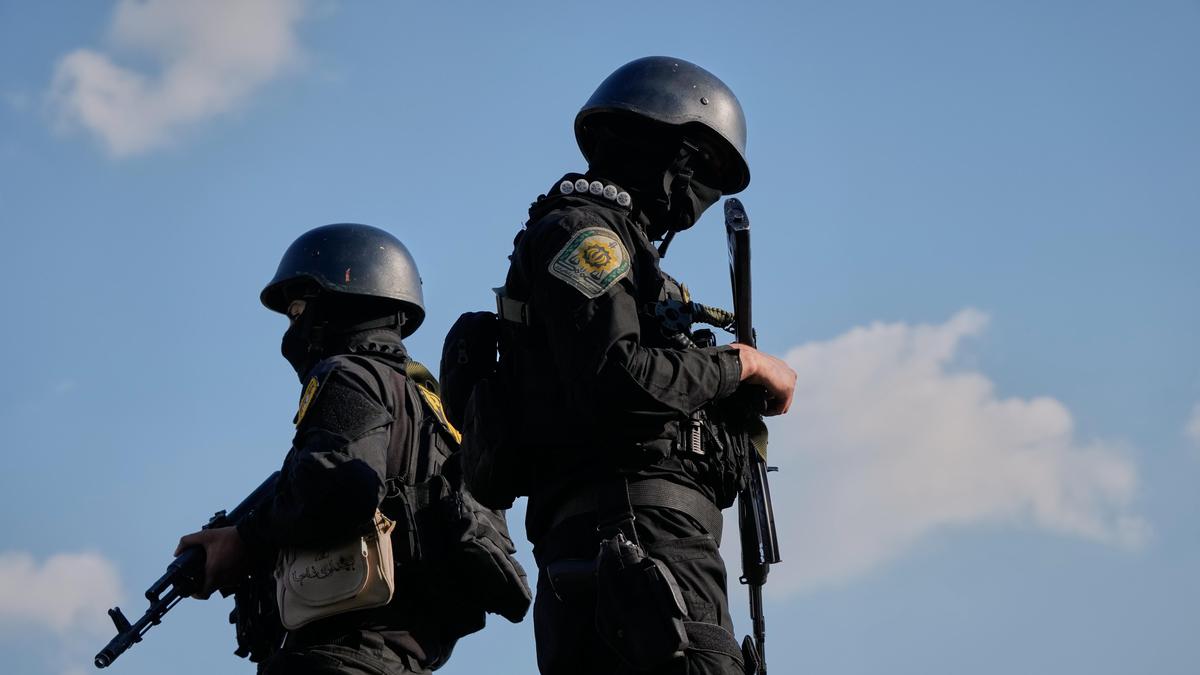
What does the IRGC mean by an “impossible” military operation? This phrase likely speaks to several layers of Iranian defense strategy and geopolitical reality. Firstly, Iran boasts significant conventional and asymmetric military capabilities, including a vast network of ballistic missiles, drone technology, and naval forces geared towards denying access to vital waterways like the Strait of Hormuz. Any large-scale military action against Iran would undoubtedly be met with a fierce and costly response, potentially engulfing the entire region in a conflict with devastating global economic and humanitarian consequences.
Secondly, the “impossible” label could also refer to the sheer complexity of the operational environment. Iran is a large, mountainous country with deeply entrenched defensive positions and a population that, despite internal divisions, has historically rallied against external threats. The lessons of past interventions in the Middle East loom large, suggesting that even a militarily superior force could find itself bogged down in a protracted, unwinnable conflict. From Tehran’s viewpoint, the cost-benefit analysis for any external military power simply doesn’t add up.
### The Shadow of a “Bad Deal”
On the flip side of the IRGC’s stark dichotomy is the “bad deal.” This term is equally loaded. For Iran, a “bad deal” would almost certainly involve significant concessions on its nuclear program, regional influence, or missile development, without sufficient guarantees or reciprocal benefits. It points to a deep distrust of Western diplomatic overtures, particularly those spearheaded by the U.S., which withdrew from the 2015 Iran nuclear deal (JCPOA) and reimposed crippling sanctions.
From Tehran’s vantage point, a “bad deal” might entail surrendering key aspects of its strategic autonomy or economic sovereignty in exchange for promises that could later be revoked. The memory of past agreements, perceived as having been broken or not fully honored by the other side, fuels this skepticism. The IRGC’s statement implies that Iran is prepared to dig in its heels, prioritizing its perceived national interests and strategic independence over any agreement that doesn’t fully meet its demands.
### Regional Ripples and Global Stakes
This firm stance from the IRGC sends a clear message not only to Washington but also to regional allies and adversaries. For Israel, which views Iran’s nuclear ambitions and proxy network as an existential threat, the statement reinforces the perception of a defiant and unyielding foe. For other regional powers, it underscores the persistent volatility and the urgent need for de-escalation, even as diplomatic pathways seem increasingly fraught.
Globally, the implications are profound. The Middle East is a linchpin for global energy markets and international stability. Any miscalculation, or a sustained period of heightened tensions as suggested by the IRGC’s statement, could send shockwaves through the world economy and exacerbate existing humanitarian crises. The world watches, holding its breath, as these high-stakes pronouncements shape the geopolitical chessboard.
### Why This Matters
This statement from the IRGC isn’t just tough talk; it’s a strategic declaration that significantly narrows the perceived options for resolving the long-standing tensions between Iran and the U.S. and its allies. For everyday people, this means continued uncertainty in a vital region, with potential impacts on everything from global oil prices to international security. Understanding these positions is crucial to grasping the complexities of the modern world and the ongoing quest for peace in one of its most volatile corners. It highlights the immense challenge in finding common ground when one side believes its adversary has only “impossible” or “bad” choices.