
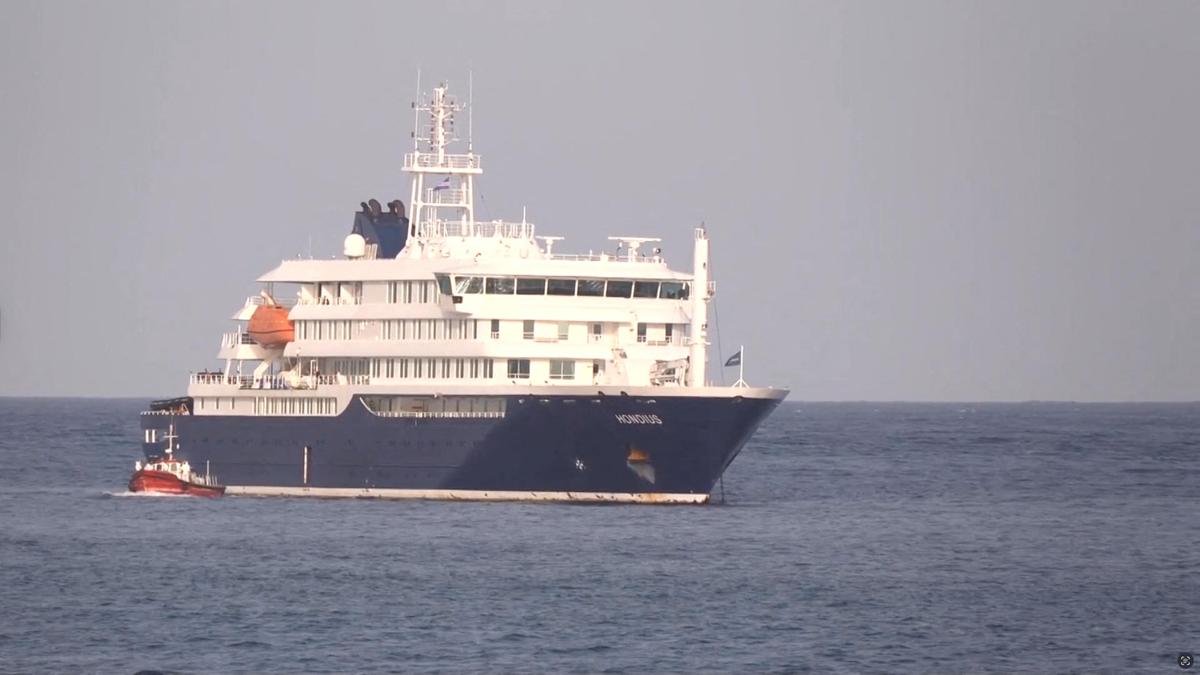
Tenerife is bracing for the imminent arrival of a vessel linked to a Hantavirus outbreak, with Spanish authorities confirming the ship is expected to dock at Granadilla port within the next three days. The announcement, made by a Spanish minister, has triggered a swift and coordinated public health response to manage the situation and ensure the safety of both the crew and the island’s population.
### Awaiting Arrival: The Granadilla Plan
The affected ship, whose identity and exact origin remain undisclosed for now, has been under intense monitoring since reports emerged of crew members exhibiting symptoms consistent with Hantavirus infection. Sources close to the Spanish Health Ministry indicate that rigorous isolation and medical protocols have been established for the ship’s docking at Granadilla, a port known for its industrial capacity and ability to handle specialized logistical challenges away from populated areas.
Spanish health officials emphasize that the choice of Granadilla is strategic, allowing for a controlled environment for the vessel’s arrival and the subsequent necessary health procedures. The port’s relative isolation on the southeastern coast of Tenerife makes it an ideal location for implementing strict biosecurity measures without disrupting daily life or tourism in more central areas.
### Understanding the Threat: What is Hantavirus?
Hantavirus is a group of viruses carried by rodents, which can cause severe, sometimes fatal, respiratory and kidney diseases in humans. It is primarily transmitted to people when they inhale air contaminated with aerosolized virus from rodent urine, droppings, or saliva. It can also spread through direct contact with rodents or their waste, or less commonly, through a bite from an infected rodent.
Crucially, health experts stress that Hantavirus is *not* typically transmitted from person to person. This distinction is vital in mitigating public alarm and focusing efforts on isolating the source and preventing further animal-to-human transmission. Symptoms can vary but often include fever, severe headache, muscle aches, chills, dizziness, and gastrointestinal issues, progressing in some cases to Hantavirus Pulmonary Syndrome (HPS) or Hemorrhagic Fever with Renal Syndrome (HFRS), which are serious and require immediate medical attention.
### Official Response and Safety Protocols
Upon the vessel’s arrival, a highly coordinated response involving medical teams, port authorities, and specialized decontamination units will be activated. A designated quarantine area will be established for the crew, where comprehensive health assessments, testing, and potential isolation will be carried out. Any crew members showing symptoms will receive immediate medical care at pre-arranged facilities.
The Spanish Health Ministry has assured the public that all necessary precautions are being taken to prevent any potential spread beyond the vessel. This includes meticulous decontamination of the ship’s interior and cargo holds, handled by personnel equipped with full personal protective equipment (PPE). The process will follow stringent international health regulations and national guidelines to ensure thorough sanitization.
Further measures include a detailed epidemiological investigation to determine the exact strain of Hantavirus, the source of the infection onboard, and to trace any potential contacts the crew might have had prior to the outbreak. This investigative work is crucial for understanding the incident and informing future preventative strategies.
### Reassurance for Residents and Tourists
Local authorities in Tenerife have moved swiftly to reassure both residents and the vibrant tourism sector that there is no immediate public health risk. The controlled nature of the docking operation and the non-human-to-human transmission characteristic of Hantavirus mean that the general population is not considered to be at risk, provided they follow official guidelines and avoid unauthorized access to the port area during the operation.
Tourism is the lifeblood of Tenerife, and officials are keen to ensure that this isolated incident does not cast a shadow over the island’s reputation as a safe and welcoming destination. Strict communication protocols are in place to provide transparent updates to the public and counter any misinformation.
### Broader Implications for Global Health Preparedness
This incident underscores the constant vigilance required in global health security, particularly concerning international maritime travel. Vessels, by their nature, connect distant points across the globe, making them potential vectors for the transmission of various pathogens. The swift and decisive action by Spanish authorities demonstrates the importance of robust public health infrastructure and emergency response plans in managing such events.
The experience gained from managing this Hantavirus incident will undoubtedly contribute to refining Spain’s biosecurity protocols for ports and international transport, setting an example for other nations in navigating the complex challenges of global health threats. It serves as a reminder that even less common infectious diseases can emerge unexpectedly, necessitating readiness and adaptability from public health systems worldwide.
### Why This Matters
The arrival of a Hantavirus-hit ship in Tenerife is more than just a local news item; it’s a test of global health readiness. It highlights the critical importance of rapid government response, effective port biosecurity, and clear public communication in managing potential health crises without resorting to panic. While Hantavirus isn’t typically transmissible human-to-human, any infectious disease incident on a global transport route demands rigorous protocols to protect both the affected crew and the broader community, ensuring public trust and safety.