
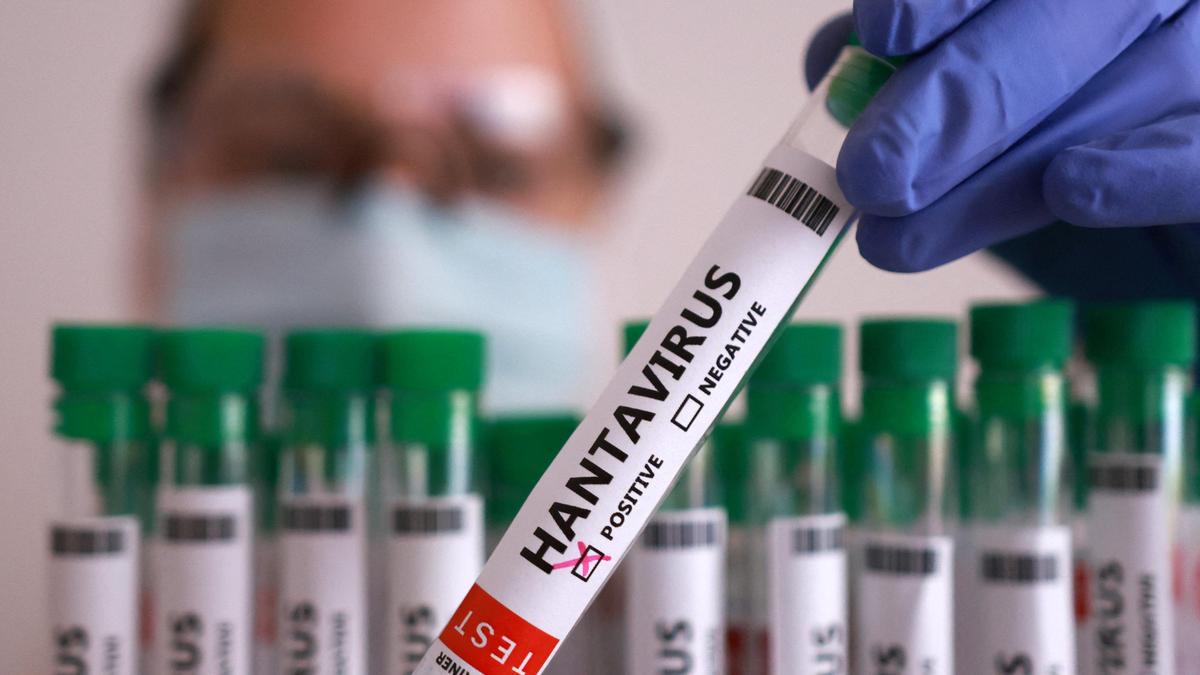
A dream vacation aboard the ‘Ocean Serenity’ cruise ship has turned into a serious public health concern, as the World Health Organization (WHO) officially confirmed five cases of hantavirus among passengers. The revelation has sent ripples through the travel industry and prompted an immediate, comprehensive response to contain the rare and potentially severe viral infection.
### The Dream Vacation Turned Nightmare
The ‘Ocean Serenity’, known for its lavish amenities and popular Caribbean itineraries, was nearing the end of a ten-day voyage when several passengers began reporting unusual flu-like symptoms. Initially, the ship’s medical team treated cases as routine viral infections. However, when symptoms in a cluster of individuals rapidly escalated to include severe respiratory distress, alarm bells began to ring. Tests conducted at a port medical facility, following an emergency disembarkation of the most critical patients, returned positive for hantavirus.
This shocking diagnosis triggered an immediate health alert, leading national health authorities to contact the WHO. After reviewing the evidence and conducting their own confirmatory tests, the global health body formally announced the five confirmed cases, initiating international health protocols. The affected passengers, ranging in age from 30s to 70s, are now receiving specialized care in isolation units, with their conditions closely monitored. Investigations are underway to determine the exact point of exposure and whether there are any further undetected cases among the thousands of passengers and crew who have recently sailed on the vessel.
### What is Hantavirus? A Quick Explainer
For many, the term “hantavirus” might sound like something from a sci-fi thriller, but it’s a real and serious pathogen. Hantaviruses are a group of viruses typically carried by rodents – specifically deer mice, cotton rats, rice rats, and the white-footed mouse in various parts of the world. Humans can become infected when they inhale aerosolized particles from rodent urine, droppings, or saliva, often in confined or poorly ventilated areas where rodents have been present. Direct contact with infected rodents or their nests, or even a bite, can also lead to transmission.
It’s crucial to understand that hantavirus is *not* typically spread from person to person. This distinction is vital in containing public panic, though the presence of multiple cases on a cruise ship raises questions about a shared exposure point. Symptoms usually develop one to five weeks after exposure and can include fever, fatigue, severe muscle aches, headaches, dizziness, chills, and abdominal problems. In severe cases, it can progress to Hantavirus Pulmonary Syndrome (HPS), a life-threatening respiratory disease that can cause the lungs to fill with fluid, making breathing extremely difficult. HPS has a mortality rate of about 38%, underscoring the severity of these confirmed cases.
### Onboard Response: Containment and Care
Upon receiving the initial positive test results, the ‘Ocean Serenity’ implemented stringent emergency protocols. The ship was immediately rerouted to the nearest major port with adequate medical facilities. All identified close contacts of the confirmed cases were isolated and placed under medical observation. Passengers who had already disembarked prior to the confirmed diagnosis were contacted by health authorities in their respective countries and advised to monitor for symptoms and seek medical attention if unwell.
The cruise line, in cooperation with public health agencies, has initiated a massive deep-cleaning and disinfection operation of the entire vessel. This includes meticulous pest control measures targeting potential rodent infestations, with a focus on cargo holds, storage areas, and less-frequented parts of the ship. All crew members are undergoing health screenings and education on hantavirus prevention. Future sailings of the ‘Ocean Serenity’ have been temporarily suspended to ensure the ship is thoroughly sanitized and deemed safe for passengers and crew before resuming operations. This suspension is a significant logistical and financial blow to the cruise operator, but a necessary step for public safety and confidence.
### The Broader Impact on Travel
This hantavirus outbreak aboard a luxury liner arrives at a sensitive time for the global travel industry, which has only recently begun to regain its footing after years of disruption. The incident is likely to spark renewed scrutiny of sanitation standards, pest control measures, and emergency health protocols across the entire cruise sector. Cruise lines may face increased pressure to demonstrate robust health and safety plans, particularly concerning vector-borne diseases.
For potential travelers, the news might cause hesitation, prompting questions about the safety of cruise vacations and international travel generally. Public health agencies worldwide will be on high alert, enhancing surveillance at ports and airports, and strengthening international collaboration to prevent future outbreaks. The incident serves as a stark reminder that even in the most controlled environments, unexpected health challenges can emerge, requiring rapid, coordinated, and transparent responses.
### Why This Matters
The confirmation of five hantavirus cases on a cruise ship highlights the interconnectedness of global health and travel. It underscores the importance of robust public health surveillance, effective international cooperation, and meticulous sanitation practices in preventing the spread of rare but serious diseases. For travelers, it’s a reminder to be aware of health advisories, and for the industry, a call to continuously review and enhance safety measures to protect passengers and crew alike.