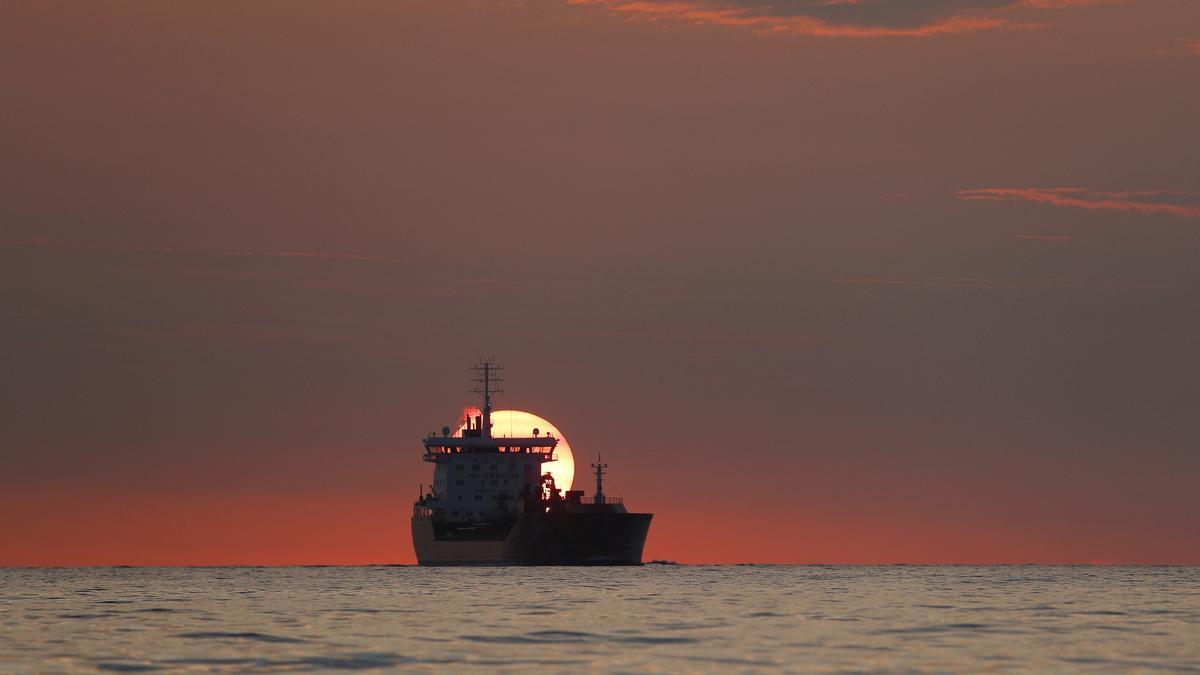
A tragic incident unfolded recently in the treacherous waters of the English Channel, leaving two people dead and 16 others injured during an attempted crossing from France to the United Kingdom. The heartbreaking news serves as a grim reminder of the immense dangers faced by individuals seeking to make the perilous journey across one of the world’s busiest shipping lanes.
A Desperate Journey Ends in Sorrow
The details remain stark: two lives extinguished, 16 individuals suffering injuries – a devastating toll from a single attempt to cross the narrow strait separating continental Europe from Britain. While the full circumstances surrounding the incident are under investigation, it underscores the profound risks involved in these clandestine journeys, often undertaken in overcrowded and unseaworthy vessels. Each attempt is a gamble against the powerful currents, freezing temperatures, and unpredictable conditions of the Channel.
The human element behind these statistics is critical. These aren’t just numbers; they represent individuals, families, and shattered hopes. The desperation driving people to embark on such life-threatening voyages speaks volumes about the situations they are fleeing and the dreams they hold for a safer, better future.
Emergency Response and Ongoing Challenges
Upon discovery, emergency services from both French and British sides of the Channel swiftly launched a coordinated rescue operation. Coastguard vessels, lifeboats, and air support would have been deployed, working against the clock to locate and assist those in distress. The injured would have been quickly transported to nearby hospitals for urgent medical attention, facing a new battle for recovery after their harrowing ordeal.
This latest incident casts a renewed spotlight on the ongoing challenges faced by authorities. The sheer volume of attempted crossings has led to a sustained, intensive effort to patrol and monitor the Channel, yet tragic events like this continue to occur. It’s a complex and deeply human issue, with no easy answers, pitting humanitarian concerns against national security and border control efforts.
The Perilous Route
The English Channel, while narrow, is far from a tranquil body of water. Its unpredictable weather, strong tides, and heavy maritime traffic make it incredibly dangerous for small, often flimsy boats. Smugglers frequently exploit the desperation of migrants, packing them into vessels ill-equipped for the crossing, with little regard for safety. Life jackets are often insufficient, communication devices scarce, and the risk of capsizing or engine failure ever-present.
Each time a vessel sets off from the French coast, it carries with it not just people, but a cargo of hope and fear, frequently ending in tragedy. This incident is a stark illustration of just how quickly hope can turn to despair on the open water.
A Recurring Nightmare
Unfortunately, incidents of fatalities and injuries during Channel crossings are not isolated. They represent a recurring, painful chapter in the ongoing narrative of irregular migration. Organizations on both sides of the Channel routinely warn of the dangers, urging individuals against attempting the crossing and highlighting the exploitation by criminal gangs.
The tragedy inevitably reignites public debate and political pressure surrounding border policies, safe routes, and international cooperation. Discussions will undoubtedly intensify over how to prevent further loss of life, while also addressing the root causes that compel people to undertake such desperate measures.
Why This Matters
This incident is more than just a news item; it’s a stark and painful reminder of the human cost of current global challenges. It highlights the profound desperation driving individuals to risk everything for a perceived better life, the inherent dangers of irregular migration routes, and the urgent need for comprehensive, humane solutions. Each life lost is a tragedy that reverberates beyond the immediate incident, demanding reflection, empathy, and action from international communities and policymakers alike. It underscores the responsibility to protect vulnerable lives and to seek pathways that do not force people into such perilous gambles.