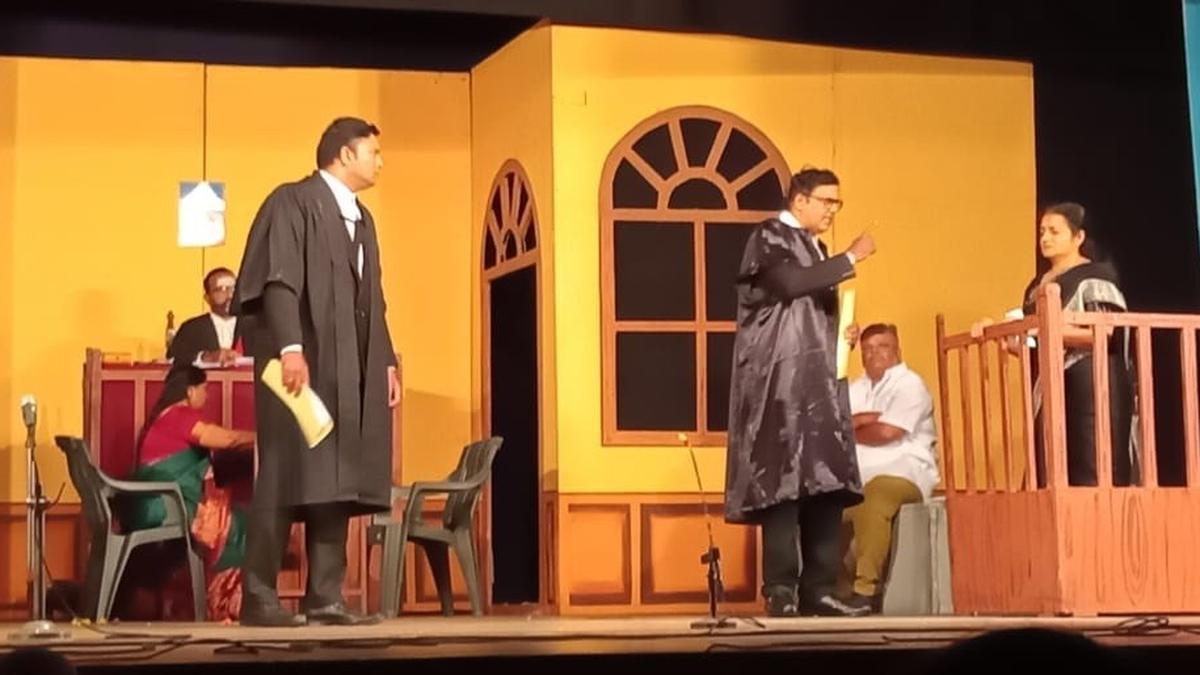
In the vibrant, sometimes chaotic, world of Indian theatre, a new Tamil play titled *Mayachangili* has been making waves – or at least, trying to. It’s a bold dive into the murky waters of corruption, a topic as old as time but perpetually relevant. The question isn’t just whether it’s a good play, but whether it can actually achieve its ambitious goal: sparking real change.
A Mirror to Society: What *Mayachangili* Explores
*Mayachangili*, which translates roughly to “The Chain of Illusion” or “The Illusory Chain,” takes on the pervasive issue of corruption, depicting its insidious grip on everyday life. From petty bribes to grand schemes, the play paints a vivid, often uncomfortable, picture of how these practices entangle individuals and society at large. It explores the moral dilemmas faced by ordinary people, forced to navigate a system where integrity often seems like a liability.
The production boasts strong performances and a narrative that aims to be both entertaining and thought-provoking. Critics have lauded its courage in tackling such a sensitive subject head-on, avoiding the usual Bollywood-esque escapism often found in mainstream entertainment. It’s a story designed to resonate deeply with audiences who have likely experienced the frustrations of corruption firsthand.
The Power of Performance: Can Theatre Inspire Change?
Theatre has long been a powerful tool for social commentary. From ancient Greek tragedies to modern protest plays, the stage offers a unique space for reflection and critical dialogue. *Mayachangili* follows in this tradition, aiming to not just entertain, but to stir consciences and prompt discussions about accountability and ethics.
The creators believe that by showcasing the personal toll of corruption, they can foster empathy and encourage a collective desire for change. It’s an optimistic vision: that seeing one’s struggles mirrored onstage can be a catalyst for action offstage. For a brief moment, the audience isn’t just watching a story; they’re experiencing a shared reality, often with a renewed sense of urgency.
The Uphill Battle: Sustaining Impact Beyond the Curtain Call
Here’s where the challenge truly lies. While the initial impact of *Mayachangili* might be profound during its run, sustaining that impact long-term is a whole different beast. A play, by its very nature, is ephemeral. The curtain falls, the lights dim, and the audience disperses, often returning to the same corrupt systems it just witnessed on stage.
The world is saturated with information and entertainment. Even the most powerful stories can quickly fade from memory amidst the daily grind. For *Mayachangili* to truly make a difference, it needs to transcend its theatrical confines. It needs to spark conversations that continue in homes, workplaces, and public forums. Without this broader engagement, its message risks being a fleeting moment of introspection rather than a lasting call to action.
The Digital Dilemma: Reaching a Wider Audience
In today’s digital age, theatre, while deeply impactful for those who experience it live, faces hurdles in reaching a mass audience. Unlike a blockbuster film or a viral social media campaign, a stage play’s reach is inherently limited by venue capacity and geographical constraints. This limits its ability to become a widespread cultural phenomenon that can truly shift public discourse on a national scale.
To sustain its impact, *Mayachangili* might need to consider adaptations for digital platforms, engaging with audiences online, or fostering community outreach programs. Simply performing to a theatre full of people, no matter how moving, may not be enough to combat deeply entrenched societal issues like corruption.
Why This Matters
*Mayachangili*’s journey highlights a critical question: Can art truly change the world, or does its influence remain largely within the realm of introspection? In a society grappling with systemic issues, the efforts of artists to shine a light on darkness are invaluable. However, the path from artistic reflection to real-world reform is long and fraught with challenges, requiring ongoing dialogue and collective effort beyond the stage. The success of plays like *Mayachangili* isn’t just about critical acclaim, but about their ability to inspire a sustained, collective push for a better future.