A Legend’s Warning
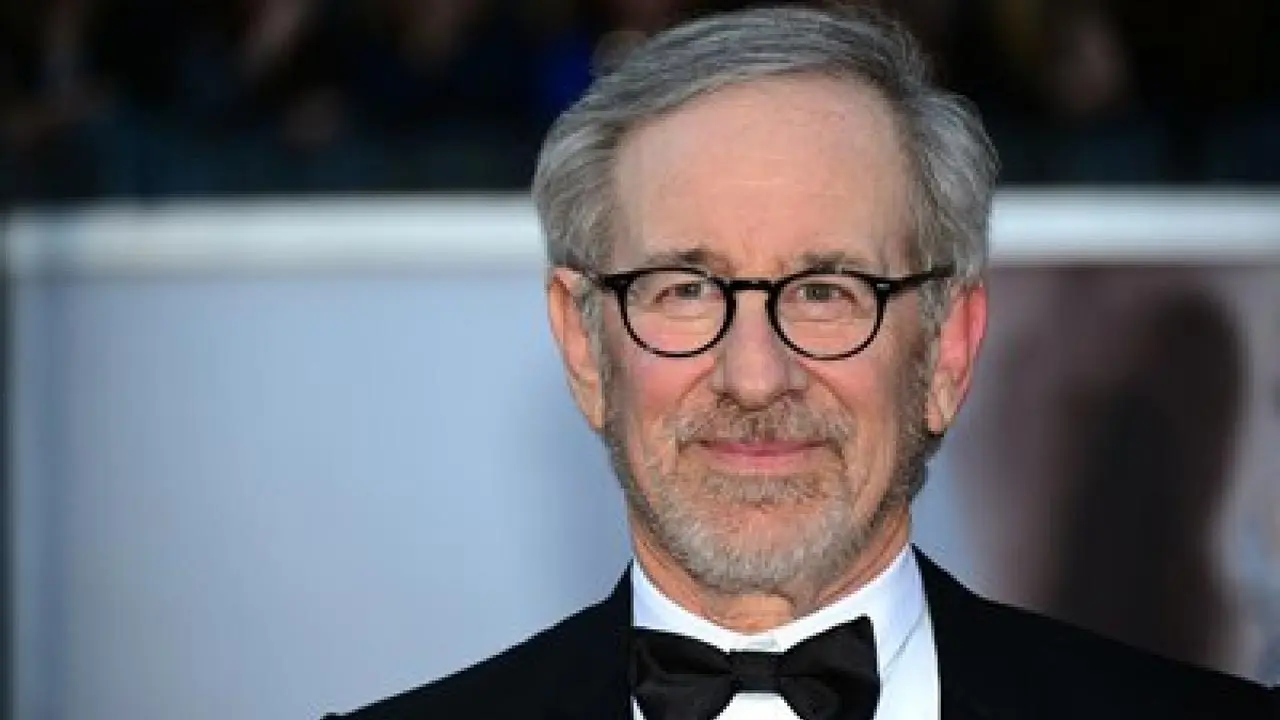
Steven Spielberg is a name synonymous with cinematic magic. From the thrilling depths of “Jaws” to the heartwarming wonder of “E.T.,” his films have consistently redefined storytelling, pushing boundaries while always keeping a human heart at their core. So, when the legendary director speaks, Hollywood — and indeed the world — listens. His recent remarks on artificial intelligence in filmmaking have sent a ripple through an industry already grappling with AI’s rapidly expanding presence, drawing a clear line in the sand regarding where technology should and shouldn’t tread in the creative process.
The Soul vs. The Algorithm
Speaking on Michelle Obama and Craig Robinson’s ‘IMO’ podcast, Spielberg didn’t mince words. He acknowledged AI’s potential for efficiency, noting it could “save us a lot of legwork” in certain areas like location scouting. However, his enthusiasm stops abruptly when AI moves from assistant to author. “Where I don’t love AI is where it takes a position or there’s an empty chair at a writer’s table,” he stated emphatically. This stark image of a void where human creativity once sat encapsulates the fears of many in the industry.
For Spielberg, the core issue boils down to an irreducible element: the soul. “I’m not willing to substitute, you know, because I don’t really believe in sentience. I don’t believe there is any substitute for the soul. I don’t think that is an algorithm that’s inventible,” he elaborated. His perspective is deeply rooted in a belief that true creativity, emotion, and storytelling spring from an inherently human wellspring that algorithms simply cannot replicate, no matter how sophisticated they become. The idea of a machine “thinking it feels more than we feel” is, to him, “anathema to the way I was raised and how I’ll practice my own trade of producing and directing in the future.”
AI’s Place: Tool, Not Master
Spielberg’s nuanced view isn’t a blanket rejection of AI. He sees its utility in what could be called the more logistical, less creative aspects of filmmaking. Imagine an AI sifting through countless satellite images and local zoning laws to find the perfect, previously undiscovered filming location. This kind of “legwork” — tedious, time-consuming, and data-heavy — is precisely where AI can shine, freeing up human professionals to focus on the artistic challenges.
This distinction is crucial: AI as a powerful tool to augment human capabilities, rather than a replacement for human imagination. It’s about efficiency in execution, not usurpation of origination. The director’s concern is about maintaining the sanctity of the creative spark, the unique perspective, and the emotional depth that only a human writer, director, or actor can bring to a story.
Hollywood’s AI Reckoning
Spielberg’s comments arrive at a pivotal moment for Hollywood. The conversations around artificial intelligence were central to the recent WGA and SAG-AFTRA strikes, highlighting deep-seated anxieties among writers and actors about job security, fair compensation, and the protection of their intellectual property in an AI-driven landscape. The fear isn’t just about efficiency; it’s about the potential for entire creative roles to be diminished or eliminated, reducing the very human input that gives films their resonance.
When a titan like Spielberg, who has navigated decades of technological shifts in cinema, speaks out so forcefully, it lends significant weight to the arguments for human-centric creativity. His career has always been about pushing the boundaries of what’s possible on screen, often with groundbreaking technology. Yet, for him, that technology has always served the story and the human experience within it, never overshadowed it.
Looking Ahead
The debate over AI in Hollywood is far from settled. It’s a complex ethical and artistic tightrope walk between embracing innovation and safeguarding the irreplaceable human element. Spielberg’s call to action is a powerful reminder that while technology can enhance, streamline, and even inspire, the ultimate essence of storytelling — the “soul” — remains an exclusively human domain. His vision for the future of filmmaking is one where human ingenuity continues to lead, using tools wisely, but never ceding the creative chair to an algorithm.
Why This Matters
Steven Spielberg’s emphatic statement against AI replacing human creatives in filmmaking isn’t just a celebrity opinion; it’s a significant voice shaping the future of one of the world’s most influential art forms. His insistence on the “soul” of cinema underscores the core value of human artistry, empathy, and originality in storytelling. In an era where AI capabilities are rapidly advancing, his warning serves as a crucial ethical and creative compass for the entertainment industry, advocating for the preservation of human jobs, intellectual property, and the emotional connection that defines great films.