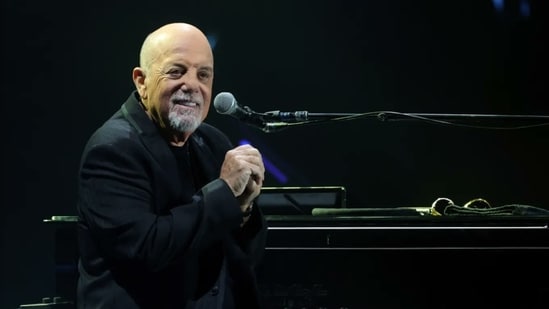
The world of music biopics, a genre that has recently soared in popularity, is facing a fresh chord of discord. Legendary singer-songwriter Billy Joel, known globally as the “Piano Man,” has publicly distanced himself from an upcoming film purporting to chronicle his formative years. Titled *Billy & Me*, the project, helmed by editor and director John Ottman, aims to explore Joel’s life before his meteoric rise to fame in the 1970s. However, a spokesperson for the iconic musician has made it unequivocally clear: Billy Joel has not authorized the project.
### Unsanctioned Storytelling
This revelation places *Billy & Me* in a precarious position within the entertainment landscape. In an era where biopics like *Bohemian Rhapsody* and *Rocketman* have seen massive box office success and critical acclaim, often with the blessing and involvement of the artists or their estates, an unauthorized venture is a stark departure. For fans, and indeed for the industry, the lack of Billy Joel’s endorsement raises immediate questions about the film’s authenticity, its narrative choices, and its potential impact on his carefully managed legacy.
### The Artist’s Control: A Contentious Note
At the heart of this dispute lies the perennial tension between creative freedom for filmmakers and an artist’s right to control their own story. For a figure as globally recognized and beloved as Billy Joel, whose life and career have been extensively documented and analyzed, the idea of a film being made without his input or approval is a significant issue. Artists often express concerns about accuracy, portrayal, and the sensitive handling of personal experiences, especially those from their vulnerable early years.
Joel, celebrated for his candid lyrics and heartfelt performances, has always maintained a degree of privacy despite his superstardom. While he has been open about various aspects of his life in interviews and through his music, the prospect of a dramatized adaptation of his youth, particularly one without his oversight, likely touches a nerve. His condemnation underscores a desire for narrative integrity and a protective stance over his own life story.
### Who is John Ottman?
Director and editor John Ottman is taking the reins on *Billy & Me*. While Ottman is highly respected in Hollywood, particularly for his acclaimed editing work on films like *Bohemian Rhapsody* (which earned him an Academy Award) and his directing credits on projects like *Urban Legends: Final Cut*, venturing into an unauthorized biopic of a living legend presents a unique set of challenges. The success of a music biopic often hinges on audience perception of its legitimacy and emotional connection to the subject, factors that can be significantly influenced by the artist’s blessing.
### The Landscape of Unauthorized Biopics
While many popular biopics have been authorized and even executive produced by the artists themselves or their estates, history is also dotted with unauthorized productions. These films often face an uphill battle, not only in terms of public perception but sometimes legal challenges, especially concerning rights to music, likeness, and personal anecdotes. While the film explicitly focuses on Joel’s “early years before his rise to fame,” potentially circumventing some direct music rights issues, the use of his name and implied biographical details still navigates a complex legal and ethical terrain.
The industry precedent suggests that films without direct artist involvement can struggle to gain the same level of trust and emotional resonance with fans. They may also be perceived as exploitative, an accusation no filmmaker wants leveled against their work, especially when dealing with a figure as universally admired as Billy Joel.
### The Stakes for ‘Billy & Me’
For *Billy & Me*, the road ahead looks bumpy. Without Billy Joel’s cooperation, the filmmakers face the difficult task of crafting a compelling and authentic narrative based on public records, interviews, and secondary sources. This approach inherently risks factual inaccuracies or interpretations that diverge wildly from Joel’s lived experience, further fueling his condemnation.
Moreover, the lack of authorization could impact the film’s ability to secure certain music rights, if later stages of Joel’s career are implicitly or explicitly touched upon. While the film is stated to focus on his “early years,” the very essence of a biopic about a music icon is intrinsically linked to their eventual musical output and persona. This situation places a cloud over the project, even before a single frame is widely seen by the public.
### Why This Matters
This situation highlights the ongoing struggle for artists to maintain control over their intellectual property and personal narratives in an increasingly content-hungry world. For fans, it’s a reminder that not all stories told about their idols come with the artist’s seal of approval. For filmmakers, it underscores the ethical complexities and practical hurdles of developing biographical content without direct collaboration. As the line between inspiration and exploitation continues to blur, the Billy Joel biopic saga serves as a compelling case study on artist autonomy and creative interpretation.