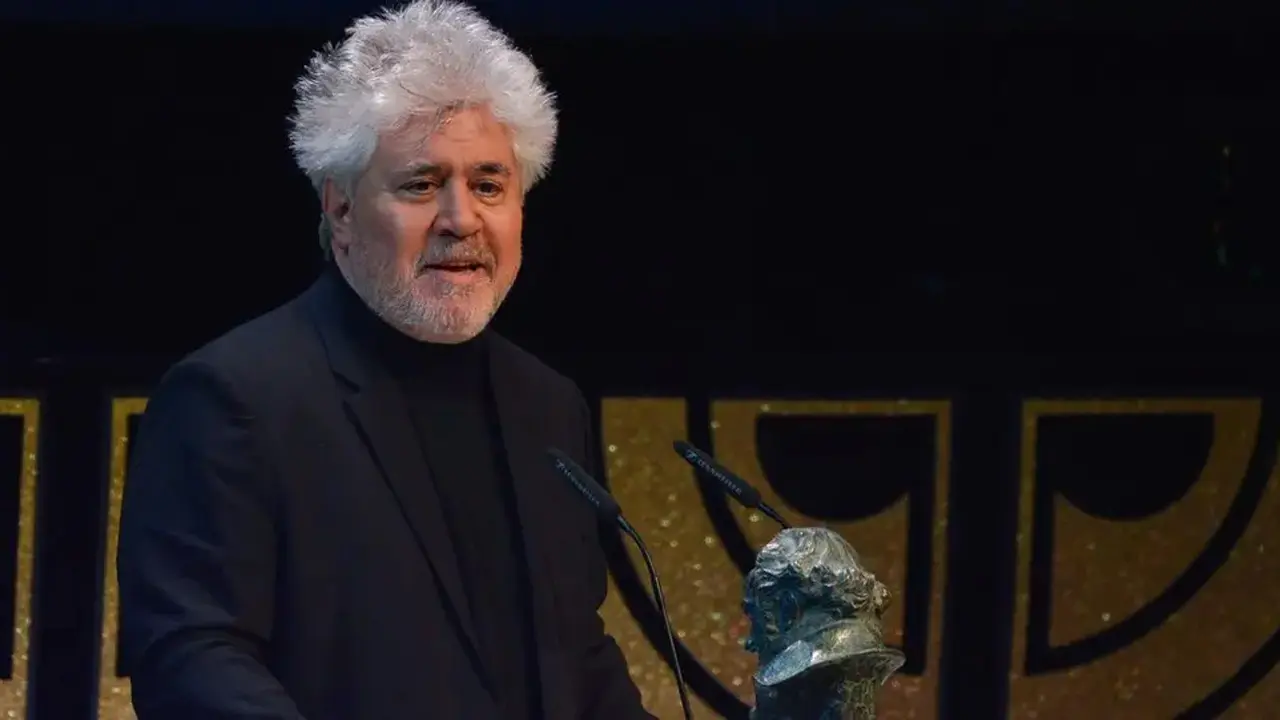
The glitz and glamour of the Academy Awards are usually reserved for celebrating cinematic triumphs, but for legendary Spanish filmmaker Pedro Almodóvar, the 2026 ceremony felt conspicuously hollow. Almodóvar, never one to shy away from uncomfortable truths, has unleashed a scathing critique of this year’s Oscars, calling them “blatantly apolitical” and questioning the industry’s silence on pressing global issues. His comments, delivered with characteristic passion, have ignited a conversation far beyond the red carpet.
### Almodóvar’s Stinging Assessment
From his unique vantage point, Almodóvar observed a stark absence of political dissent on Hollywood’s biggest night. His primary concern? The lack of widespread protest against what he termed “the genocide in Gaza” and the political climate surrounding Donald Trump. While a few voices, like fellow European Javier Bardem, did make statements, Almodóvar felt they were isolated instances in a sea of performative neutrality.
“Not many protests against the war,” he reportedly lamented, painting a picture of an awards show that, in his view, sidestepped its potential as a platform for change. It’s a powerful accusation, particularly given the historical relationship between Hollywood and activism.
### A Democracy in Question?
But Almodóvar’s critique didn’t stop at the lack of protest. He went further, making a profoundly unsettling declaration: that the “USA has ceased to be a democracy.” This isn’t a throwaway line; it’s a profound statement from an internationally respected artist, reflecting deep anxieties about the current socio-political landscape. While the specific nuances of what prompted this declaration weren’t fully detailed in the immediate reports, it undoubtedly stems from a broader frustration with political developments and the perceived erosion of democratic values.
For Almodóvar, the apolitical nature of the Oscars seems to be a symptom of a larger systemic issue he perceives within American society and its institutions. It’s a challenging thought for many, particularly coming from a filmmaker whose works often explore the very fabric of society, identity, and power dynamics.
### A Pattern of Speaking Out
This isn’t the first time Pedro Almodóvar has used a high-profile platform to voice his political concerns. A year prior, in 2025, while receiving the prestigious Chaplin Award at Lincoln Center in New York City, he famously came out “swinging against Trump.” This consistent willingness to engage directly with contentious political figures and events underscores his belief in the artist’s responsibility to speak truth to power.
His track record positions him not as a casual observer, but as a committed voice whose opinions carry significant weight. He’s an artist whose films often delve into the messy, complicated realities of life, and he expects no less from the industry that celebrates them.
### Hollywood’s Shifting Sands: Politics on the Red Carpet
The Oscars have long been a stage for both artistic celebration and political commentary. From Marlon Brando’s refusal of an award over Native American rights to more recent speeches addressing climate change, LGBTQ+ rights, or gender inequality, the Academy Awards have often reflected the cultural zeitgeist. Yet, there’s always a delicate balance. Too much politics, some argue, can alienate viewers who tune in for escapism. Too little, others contend, renders the event tone-deaf to the world outside.
Almodóvar’s comments suggest that for the 2026 ceremony, the scales tipped too far towards silence. In an era marked by intense global conflicts and domestic political polarization, his expectation was for a more vocal, unified stance from Hollywood’s elite. Was the silence a strategic move by the Academy or studios to avoid controversy, or a genuine reflection of individual artists’ choices? Almodóvar’s critique forces a re-evaluation of that dynamic.
### The European Lens vs. American Reticence
It’s also worth noting the “European” distinction Almodóvar makes, particularly in singling out Javier Bardem. European cinema and culture often have a more direct, less filtered approach to political engagement than their American counterparts. Filmmakers and actors across the Atlantic are frequently expected, even encouraged, to be outspoken on societal issues. This cultural difference might explain Almodóvar’s heightened disappointment. He might perceive a greater level of self-censorship or caution within the American industry when it comes to overtly political statements, especially on a live, global broadcast.
For Almodóvar, art and life are inextricably linked, and for art to ignore the most pressing issues of life is, in his eyes, a dereliction of duty.
### Why This Matters
Pedro Almodóvar’s critique isn’t just a disgruntled artist’s rant; it’s a significant commentary on the role of cultural institutions and public figures in an increasingly complex world. When a filmmaker of his stature, an Oscar winner himself, calls out the industry for its perceived silence on war and political issues, it forces a collective introspection. It challenges both the industry and its audience to consider whether entertainment has a moral obligation to engage with current events, or if its primary purpose remains pure escapism. His words serve as a potent reminder that while the lights may be dazzling, some shadows demand urgent attention.