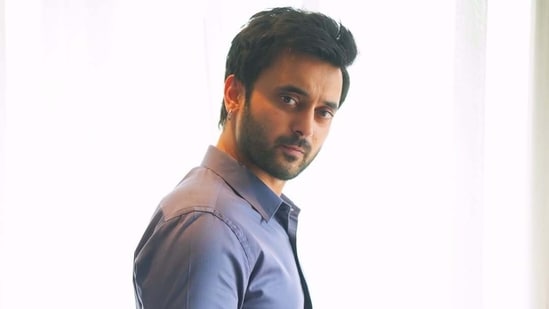
New Delhi — Paramvir Singh Cheema is on an undeniable hot streak, basking in the glow of critical and commercial triumphs that span across television and film. From the roaring success of “Sapne Vs Everyone season 2” to his impactful Punjabi debut in “Pitt Siyapa,” Cheema’s star is clearly on the ascent. Yet, amidst the celebration, the actor isn’t shying away from a candid and thought-provoking observation about the evolving landscape of entertainment. He’s putting it bluntly: audiences, he believes, are increasingly demanding a particular type of leading man – the “maar-dhaad karne wala, cigarette peeta” hero.
Riding the Wave of Success
It’s been a whirlwind year for Paramvir. His powerful performances have resonated deeply with viewers, cementing his position as one of the most exciting talents to watch. The much-anticipated “Sapne Vs Everyone season 2” has reportedly shattered viewership records, with Cheema’s nuanced portrayal earning widespread acclaim. Fans have lauded the show for its gritty realism and compelling narrative, and Cheema’s character, in particular, seems to have struck a chord.
Beyond the digital realm, his foray into Punjabi cinema with “Pitt Siyapa” has proven equally successful, showcasing his versatility and ability to connect with diverse regional audiences. This impressive momentum, Cheema notes, builds on the foundation laid by his 2025 hit “Tere Ishk Mein” and the action-packed “Border 2.” Each project, in its own way, has contributed to a growing fan base that eagerly anticipates his next move. The combination of intense drama, action, and relatable character arcs seems to be a winning formula for the actor, hinting at a careful selection of roles that tap into the pulse of popular culture.
The Alpha Male Ascendancy: A Direct Take
It’s this very success, coupled with a keen observation of industry trends, that led Cheema to articulate his provocative theory. “Logon ko maar-dhaad karne wala, cigarette peeta hero hi chahiye,” he declared, a statement that has sparked immediate conversation. In a world increasingly saturated with content, Cheema believes there’s a discernible shift in audience preference towards hypermasculine, alpha leading men. These are characters who aren’t afraid to take charge, often through direct confrontation, and who embody a certain rugged, sometimes rebellious, charm.
He isn’t just making a casual comment; it’s an industry insider’s read on the pulse of the public. This trend, he suggests, goes beyond mere action sequences. It’s about a character archetype that projects strength, resilience, and an unapologetic sense of self, even if that self comes with a touch of morally gray areas. Think about recent blockbusters and popular series – many have found immense success by foregrounding male protagonists who operate outside conventional hero tropes, embracing a more raw, visceral masculinity. Cheema’s insight highlights the symbiotic relationship between what creators offer and what audiences are, perhaps subconsciously, yearning for.
Navigating Nuance: “Tere Ishk Mein” and the Gaze
The discussion around “alpha male” characters naturally brings up questions of character complexity and portrayal, especially when considering shows like his own “Tere Ishk Mein.” While celebrating its success, Cheema has also openly discussed aspects like “toxicity” sometimes associated with certain character portrayals within the show’s narrative. This is a crucial distinction. It’s not an endorsement of toxicity, but rather an acknowledgment of its presence in certain stories, mirroring real-world complexities or dramatic conflict.
His willingness to address this suggests a thoughtful actor who understands the impact of his work. The rise of the alpha hero isn’t a monolith; it’s a spectrum. Some characters embody strength and protective instincts, while others might veer into problematic territory. Cheema’s comment implies a recognition that creators must walk a fine line, crafting compelling characters that resonate without inadvertently glorifying harmful traits. It’s a call for critical engagement, both from creators and audiences, to understand the deeper implications of the stories being told. He’s hinting that the audience’s desire for intensity and power doesn’t necessarily equate to a desire for purely negative character arcs, but rather a thirst for powerful, decisive individuals – the complexity lies in *how* that power is wielded and portrayed.
Beyond the Buzz: Craft and Future
For Paramvir Singh Cheema, this observation isn’t just about market trends; it’s about understanding the art of storytelling and his place within it. His journey reflects a career built on diverse roles, demonstrating his ability to adapt and excel in various genres and character types. Whether he’s embodying the earnest dreamer in “Sapne Vs Everyone” or a more intense persona in “Border 2,” his commitment to authenticity shines through.
Looking ahead, it’s clear Cheema is not content to merely follow trends. By articulating this shift in audience preference, he’s actively engaging in the larger conversation about the future of entertainment. It’s about creating characters that are relevant, compelling, and reflective of the collective psyche, even if that means embracing a more rugged, less conventionally ‘soft’ hero. His recent successes are a testament to his ability to connect with this evolving audience, and his candid insights further solidify his reputation as an actor who is as thoughtful off-screen as he is captivating on it.
Why This Matters
Paramvir Singh Cheema’s frank assessment isn’t just a celebrity soundbite; it’s a significant commentary on the evolving dynamics of audience consumption in the digital age. In an era where content is King, understanding what truly resonates with viewers is paramount for creators, writers, and actors alike. His observations spark a broader discussion about masculinity in modern storytelling, the impact of hero archetypes, and the nuanced responsibilities of the entertainment industry to both entertain and reflect society. It encourages us to look beyond surface-level narratives and critically examine the deeper desires and preferences driving the success of today’s biggest hits.