## Key Takeaways
– The film “Hai Jawani Toh Ishq Hona Hai” received a highly critical review, scoring a single star.
– Critics pointed to a weak script, chaotic plot, and a general absence of genuine humor as primary flaws.
– Despite featuring colorful visuals and elements reminiscent of director David Dhawan’s past work, these were insufficient to salvage the film.
## Main Developments
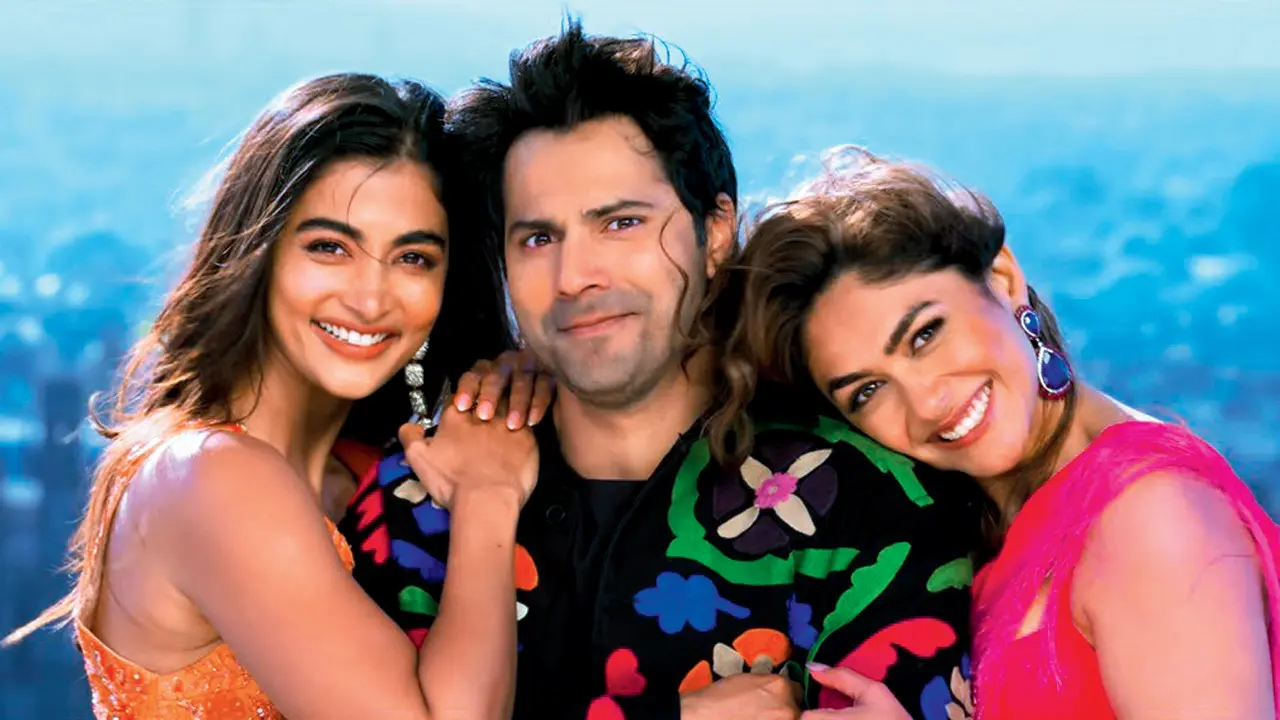
The latest cinematic offering from director David Dhawan, “Hai Jawani Toh Ishq Hona Hai,” starring Varun Dhawan, Mrunal Thakur, and Pooja Hegde, has opened to a strongly negative critical reception. A recent review characterized the film as a strenuous viewing experience, lamenting its fundamental shortcomings in scriptwriting and comedic execution.
The core of the criticism centers on what reviewers described as a weak script and a chaotic plot, which together undermine any potential for coherent storytelling or audience engagement. The narrative coherence appeared to suffer significantly, leaving viewers with a disjointed experience that failed to establish a compelling through-line. This lack of structural integrity meant that even individual scenes struggled to make a lasting impact, as they were not effectively woven into a larger, meaningful tapestry.
Comedy, a genre often associated with director David Dhawan, was particularly singled out for its deficiencies. The review explicitly stated that the film offered “weak comedy” and lacked “genuine laughs,” relying instead on “forced gags.” This approach, where humor feels contrived rather than organic, often alienates audiences who expect authentic comedic timing and clever writing. The reliance on gags that failed to land suggests a disconnect between the comedic intentions and their actual reception, leading to an absence of the spontaneous amusement that defines successful comedies.
Despite these significant narrative and comedic flaws, the film reportedly featured “colorful visuals” and incorporated “nostalgic David Dhawan elements.” However, the review clearly indicates that these aesthetic and throwback components were insufficient to elevate the film’s overall quality. While vibrant cinematography might offer visual appeal, it cannot compensate for a flimsy script or uninspired humor. Similarly, drawing on nostalgic tropes, while potentially evoking a sense of familiarity for some viewers, ultimately proved ineffective in the face of more profound structural and thematic weaknesses. The film’s reliance on these superficial elements without substantial underpinning content appears to have been a miscalculation, failing to resonate with critics seeking more substance.
The reviewer’s personal journey to watch “Hai Jawani Toh Ishq Hona Hai” also painted a picture of difficulty, foreshadowing the challenging viewing experience. Initial attempts to see the film were thwarted when a local theatre cancelled its first-day, first-show screening. Subsequently, at another cinema, even the box-office attendant struggled to identify the film by its full title, highlighting a certain level of obscurity or disorganization surrounding its release or identification. This initial struggle to even access the film set a tone that, unfortunately, culminated in a highly disappointing cinematic encounter, described as requiring “much mehnat” (much effort) to endure.
The final verdict on “Hai Jawani Toh Ishq Hona Hai” was stark, with the film receiving a single star, reflecting the critic’s profound dissatisfaction. This low rating underscores the extent of the perceived failures across multiple facets of filmmaking, from the foundational script to its execution in terms of plot and humor. The review’s assessment suggests a project that, despite the involvement of established names and a familiar directorial style, ultimately failed to deliver a compelling or even genuinely entertaining experience, leaving critics and potentially audiences, with a sense of unfulfilled expectations and wasted time.
## Why This Matters
The critical reception of films like “Hai Jawani Toh Ishq Hona Hai” carries significant implications for various stakeholders within the entertainment industry and for audiences alike. For viewers, a highly negative review, particularly one citing a “weak script” and “chaotic plot,” serves as a crucial warning. It helps individuals make informed decisions about how to spend their leisure time and money, preventing potential disappointment and the sense of having invested “much effort” into a subpar experience. In an era where entertainment options are abundant, clear critical guidance is invaluable.
For filmmakers and studios, such sharp criticism acts as an important feedback mechanism. It highlights areas where creative decisions may have missed the mark, particularly regarding the foundational elements of storytelling, character development, and comedic timing. The observation that “colorful visuals” and “nostalgic elements” couldn’t save the film underscores a vital lesson: aesthetics and familiar tropes, while appealing, cannot substitute for a robust narrative and genuine substance. It reinforces the importance of investing in strong screenwriting and innovative comedic approaches rather than relying solely on established formulas or star power.
Furthermore, a film’s poor critical performance can influence its box office trajectory and long-term reputation. In an increasingly competitive market, initial reviews can heavily sway public perception and attendance figures. For actors involved, being associated with a critically panned project can pose challenges to their image and future choices, emphasizing the importance of selecting projects with strong underlying scripts. Ultimately, this review contributes to the broader discourse around cinematic quality, holding productions accountable and pushing for higher standards across the industry, ensuring that the effort put into filmmaking translates into a worthwhile experience for the audience.
## Frequently Asked Questions
What is the central criticism of “Hai Jawani Toh Ishq Hona Hai”?
The film is primarily criticized for its weak script, chaotic plot, lack of genuine laughs, and reliance on forced gags.
Who directed “Hai Jawani Toh Ishq Hona Hai”?
The film was directed by David Dhawan.
What did the reviewer say about the film’s humor?
The reviewer described the film’s humor as “weak comedy” and noted a lack of “genuine laughs,” indicating that it relied on “forced gags.”