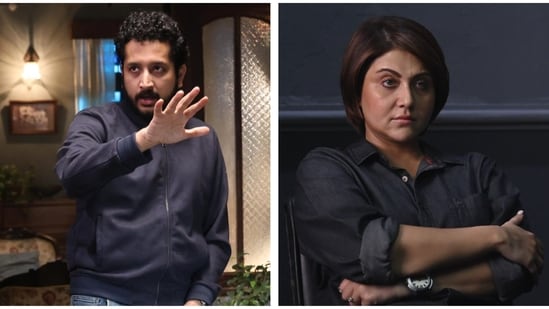
The vibrant world of Bengali cinema is abuzz with fresh headlines, as two of its most recognizable faces, Parambrata Chattopadhyay and Swastika Mukherjee, find themselves in a legal spotlight. What began as social media commentary during a turbulent political period three years ago has now escalated into a formal police complaint, marking a significant development in a saga that dates back to the aftermath of the 2021 West Bengal assembly elections.
The Allegations: A Look Back at 2021
News broke on Thursday, May 21, 2026, via news agency PTI, confirming that an FIR (First Information Report) has been lodged against the two prominent actors. The core of the complaint revolves around alleged “provocative social media posts” made by Chattopadhyay and Mukherjee during the intense period of post-poll violence that gripped West Bengal in 2021. While the specific content of these posts has not been detailed in the public domain, the FIR signals the official initiation of a police investigation into their nature and impact.
An FIR is the first crucial step in a criminal investigation in India. It means that the police have officially recorded information about a cognizable offense, which allows them to begin investigations, gather evidence, and potentially proceed with charges. For public figures of their stature, such a development can trigger widespread debate and scrutiny, casting a long shadow over their professional and personal lives.
Context: West Bengal’s Turbulent 2021 Post-Poll Landscape
To truly grasp the gravity of the situation, it’s essential to rewind to 2021. The West Bengal assembly elections were not just another electoral cycle; they were a highly charged, often contentious, affair marked by fierce political rivalry. Following the declaration of results, the state witnessed widespread reports of violence, clashes, and allegations of political vendetta across various districts.
This period was characterized by deep political polarization, with accusations flying from all sides. Homes were allegedly ransacked, individuals were displaced, and a palpable sense of fear permeated certain areas. In such an environment, social media became a powerful, yet often volatile, platform for expression, debate, and the dissemination of information – and misinformation. Posts made by influential individuals during this time were naturally subjected to intense scrutiny, with their potential to sway public opinion or incite emotions being a constant concern for authorities and political observers alike. It is within this charged atmosphere that the alleged posts by Parambrata Chattopadhyay and Swastika Mukherjee are now being revisited.
Who Are Parambrata Chattopadhyay and Swastika Mukherjee?
Parambrata Chattopadhyay and Swastika Mukherjee are not just actors; they are cultural icons in Bengal, known for their versatility, bold choices, and significant contributions to both Bengali and mainstream Indian cinema. They have graced countless screens, earning critical acclaim and a dedicated fan base for their nuanced performances. Interestingly, the two have also frequently co-starred in multiple films, forming a familiar and popular on-screen pair.
Parambrata, often praised for his intellectual approach to roles and filmmaking (he’s also a director), has carved a niche for himself with a blend of commercial and arthouse films. Swastika, on the other hand, is celebrated for her powerful, often unconventional roles and her outspoken personality, which has made her a strong voice on various social issues. Their prominence means their words and actions, especially on public platforms like social media, carry considerable weight and reach, making any legal challenge concerning their online activity all the more impactful.
The Legal Landscape: Social Media, Free Speech, and Public Figures
This case throws into sharp relief the increasingly complex relationship between freedom of speech, the responsibilities of public figures, and the legal boundaries surrounding online expression. In the digital age, social media platforms have transformed into critical spaces for public discourse, activism, and information sharing. However, this power comes with inherent risks. What constitutes “provocative” or “inciting” content is often a matter of intense legal and public debate, especially when it involves sensitive political or social issues.
Indian law, like many democratic legal systems, upholds freedom of speech but also imposes reasonable restrictions to maintain public order, prevent incitement to violence, and protect against defamation. For celebrities, who wield significant influence, the line between personal opinion and public responsibility can become blurred. Their posts, even if intended as personal commentary, can be interpreted by a large audience and potentially lead to legal consequences if deemed to cross established legal thresholds.
What Happens Next?
With an FIR lodged, the police will now formally commence their investigation. This typically involves gathering evidence, examining the alleged social media posts, potentially questioning the actors, and assessing whether there is sufficient ground to file a charge sheet. If a charge sheet is filed, the case would then move to court for trial.
For Parambrata and Swastika, this likely means navigating a challenging legal process, potentially involving legal counsel, court appearances, and the strain of public scrutiny. The outcome of the investigation and any subsequent legal proceedings will not only impact their careers but could also set a precedent for how celebrity social media activity is viewed and regulated in India, particularly in politically charged environments.
Why This Matters
This FIR against two of Bengali cinema’s biggest names isn’t just a story about individual actors; it’s a significant marker in the ongoing national conversation about free speech, celebrity accountability, and the legal implications of social media in a politically sensitive landscape. It highlights the power influential voices hold and the potential legal repercussions when their digital expressions are perceived to cross a line, especially in moments of public unrest. The outcome of this case could influence how public figures engage online and how authorities interpret ‘provocative’ content, potentially shaping the future of digital expression for many.