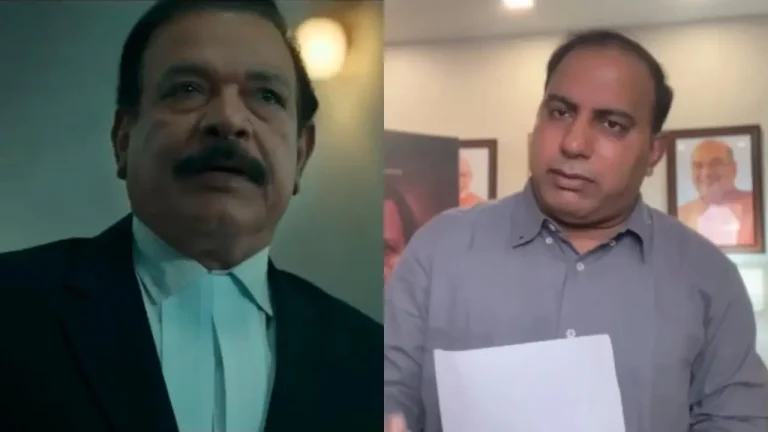
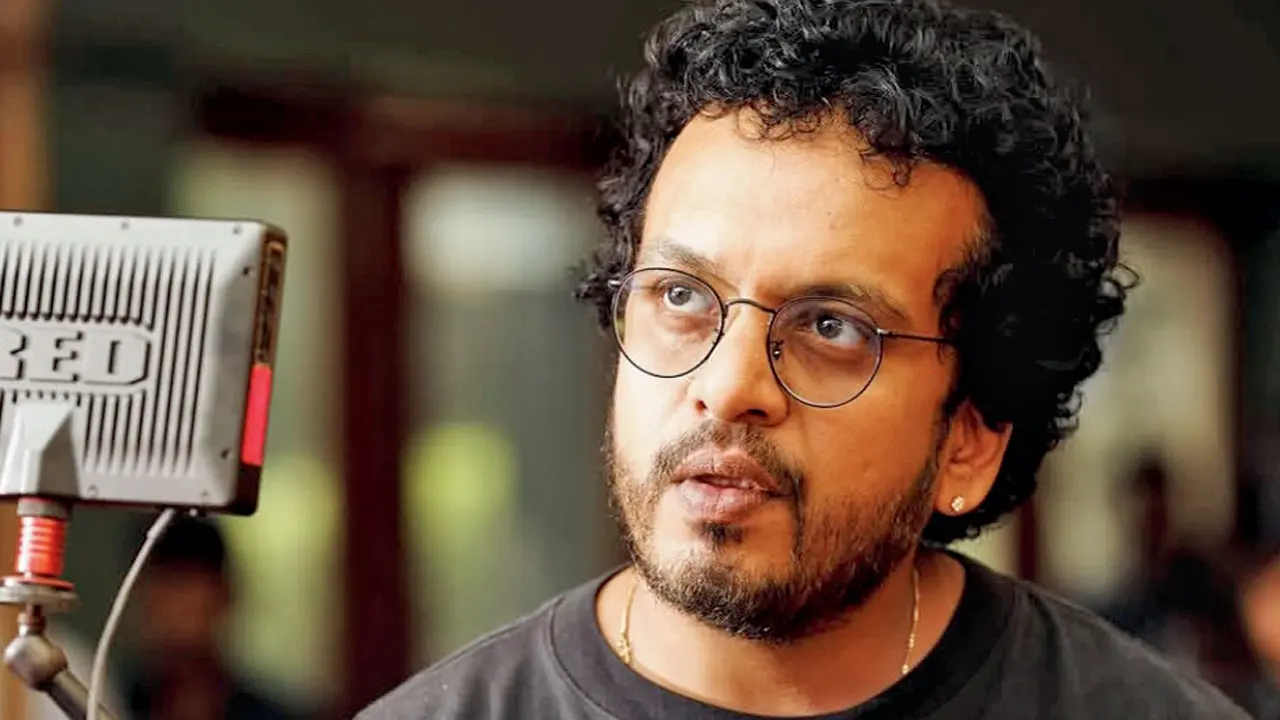
In the often-heated world of film commentary, few things ignite a firestorm quite like a controversial casting choice, especially when it touches upon societal sensitivities. The recent buzz around director Pulkit’s film, *Kartavya*, has been dominated not by its critical acclaim or thematic depth, but by a specific actor: Saurabh Dwivedi. With audiences and critics alike dissecting Dwivedi’s presence, Pulkit has finally broken his silence, pushing back against the narrative and urging viewers to see beyond a single performance to the film’s true, unsettling villains.
### The Unseen Villain: Beyond One Face
The debate swirling around *Kartavya* has largely centered on the inclusion of Saurabh Dwivedi, sparking widespread chatter that has, according to Pulkit, completely missed the point. “There is some kind of chatter about him and I don’t know why,” the director stated, his frustration palpable. “Saurabh has precisely three scenes in the film. I have not treated him as my villain or antagonist.” This direct challenge to public perception aims to reframe the conversation, redirecting focus from a single actor to the deeper, more insidious forces at play within the film’s narrative.
Pulkit’s assertion is clear: Dwivedi’s role is a minor one, a small piece in a much larger, more disturbing puzzle. He emphasizes that the film’s true antagonists are far more complex and pervasive than a single character, challenging viewers to look inward rather than at the screen.
### Society’s Mirror: Who Are the Real Monsters?
If not Saurabh Dwivedi, then who is the villain of *Kartavya*? Pulkit doesn’t hesitate with his answer. “The father is the villain of Kartavya,” he explains, highlighting the patriarchal structures and familial abuse that often underpin real-world tragedies. But the director doesn’t stop there, broadening his scope to encompass an even more formidable foe: “in a larger sense, it is society too, and maybe we all are too.”
This profound statement shifts the blame from a fictional antagonist to the collective consciousness, urging audiences to confront uncomfortable truths about their own complicity. *Kartavya* delves into the dark underbelly of honor killing and the horrifying reality of adults exploiting children to commit heinous crimes. “Those are my villains,” Pulkit asserts, shining a light on themes that are often swept under the rug. The film, he suggests, is a mirror reflecting a society that has “fallen to such a level that we call children cancer,” a chilling commentary on the dehumanization that enables such atrocities.
### The Art of Intent: Casting for Authenticity
Pulkit’s decision to cast Saurabh Dwivedi, a well-known media personality, was not arbitrary but rooted in a specific artistic vision. “I cast Saurabh when he was hosting a show, because of the way he talks and delivered his podcast and I wanted that in my movie,” he reveals. This choice underscores a director’s meticulous approach, seeking a particular vocal quality and delivery style that would enhance the film’s authenticity and impact. It wasn’t about the public persona or any preconceived notions, but about the raw, naturalistic performance Dwivedi could bring to those crucial three scenes.
However, Pulkit also acknowledges the futility of trying to control public sentiment once a film is out in the world. With a philosophical shrug, he concludes, “If you want to hate someone I cannot stop you.” This statement, while perhaps a touch resigned, also serves as a potent reminder of the subjective nature of art and the often-unpredictable ways in which audiences interpret a director’s work.
### Saif Ali Khan: Anchoring the Commentary
While the controversy has spotlighted Dwivedi, it’s worth remembering that *Kartavya* features a powerhouse performer in Saif Ali Khan, who, as the director implies, anchors the film’s searing commentary on society. A seasoned actor like Khan would undoubtedly bring gravitas and nuance to a narrative grappling with such weighty subjects. His presence would serve to ground the film’s challenging themes, making the difficult questions it poses more accessible and impactful for a wide audience. Khan’s ability to embody complex characters often allows him to be the emotional bridge between the film’s harsh realities and the viewer’s understanding, ensuring the message resonates beyond the immediate controversy.
### Why This Matters
The discourse surrounding *Kartavya* goes beyond a single actor’s role; it’s a crucial reminder of how easily public perception can overshadow a film’s deeper artistic intent. Pulkit’s candid response compels us to look past surface-level controversies and engage with the difficult questions art often poses. It challenges us to confront societal failings—like honor killing and child exploitation—that are often easier to ignore, pushing us to acknowledge that sometimes, the true villains aren’t just on screen, but within our collective conscience.