## Key Takeaways
– Actress and politician Kangana Ranaut called for actors to speak out against feeling objectified in films.
– Her comments emerged in response to the controversy surrounding Janhvi Kapoor’s portrayal in the film “Peddi.”
– Ranaut noted that while filmmakers may not intend objectification, actors can identify and flag problematic elements.
## Main Developments
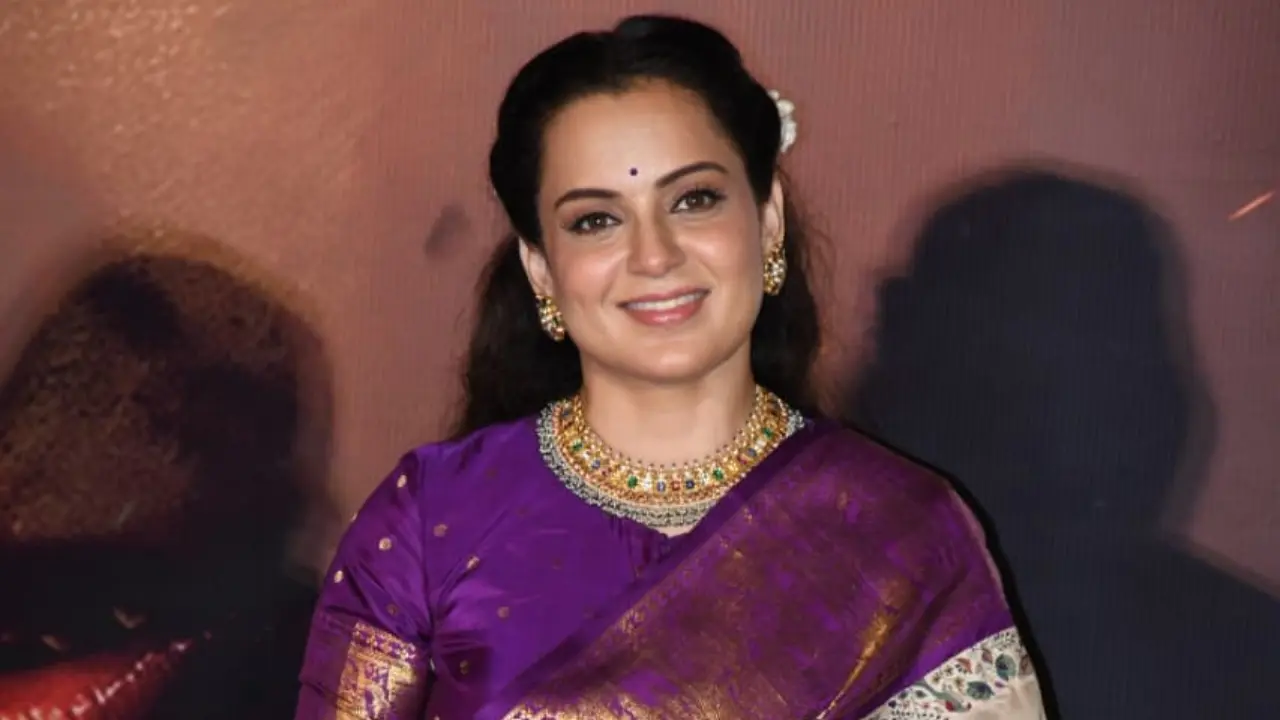
Actress and BJP Member of Parliament, Kangana Ranaut, recently weighed in on the contentious topic of women’s portrayal in cinema. Her remarks come amidst significant public discourse and backlash concerning the alleged objectification of Janhvi Kapoor in the film “Peddi.” Ranaut, known for her candid opinions, underscored the importance of actors utilizing their voices when they perceive themselves being objectified on screen.
The specific controversy she addressed involves the film “Peddi,” where Janhvi Kapoor’s character reportedly faced widespread criticism for portrayals deemed objectifying by audiences. This public reaction has reignited discussions within the industry and among viewers regarding responsible representation and the ethical considerations in filmmaking.
During an interview with PTI, Ranaut elaborated on her perspective, suggesting that actors are integral participants in the creative process and hold the agency to influence how their characters are depicted. She highlighted that when actors commit to a film, numerous perspectives are typically at play, contributing to the final output. Within this collaborative environment, she believes actors have a crucial role in identifying and addressing potential issues.
Ranaut emphasized that the act of “speaking up” is a vital mechanism for ensuring appropriate portrayals. She clarified that her stance acknowledges the complexity of film production, where intentions might not always align with outcomes. “By and large, as per my experience it has always been that when I agree to do a film, there are so many various perspectives,” Ranaut stated, indicating the multifaceted nature of artistic creation.
Her comments further suggested a distinction between a filmmaker’s intent and an audience’s perception. While filmmakers might not necessarily embark on a project with the explicit aim to objectify, certain creative choices can inadvertently lead to such interpretations. In these situations, an actor’s proactive feedback becomes invaluable. Ranaut articulated this by saying, “You can bring light to that and say, ‘Thoda sa aisa bhi sound kar raha hain yeh’.” This suggests that actors are uniquely positioned to sense when a scene or portrayal deviates from an agreed-upon understanding or takes on an unintended, problematic nuance.
She further posited that the vast majority of filmmakers do not set out with the deliberate goal of objectifying actors. “They may not want to objectify or something but aise toh koi bhi filmein nahi banana chah raha hain ki aao inko objectify kare (An actor can speak up and point out when it is sounding different. No one would want to make films with the intention to objectify them),” she added. This highlights her belief in a general professional standard within the industry, where direct intent for objectification is rare, but the potential for it still necessitates vigilance.
Ranaut’s advocacy empowers actors to act as critical gatekeepers of their own image and the overall message conveyed by their characters. Her views contribute to a broader conversation about accountability in the entertainment sector, encouraging a more mindful approach to storytelling that respects and responsibly portrays women. As both an actress with extensive experience and a public figure, her call for self-advocacy among performers reinforces the evolving dynamics of power and influence within Bollywood.
## Why This Matters
Kangana Ranaut’s statements carry significant weight, coming from an established actress and a Member of Parliament, underscoring the ongoing critical debate surrounding women’s representation in Indian cinema. Her call for actors to vocalize concerns about objectification empowers individuals within the industry, highlighting their agency in shaping cultural narratives. This perspective is particularly relevant given the public scrutiny surrounding films like “Peddi,” reinforcing the industry’s responsibility to address audience feedback and ethical storytelling practices. It fuels essential dialogue about creative intent versus public perception and the role of all stakeholders in fostering a more progressive and respectful cinematic landscape.
## Frequently Asked Questions
###What was Kangana Ranaut’s main point regarding objectification in films?
Kangana Ranaut’s main point was that actors should proactively speak up if they feel they are being objectified in a film.
###What film sparked the recent controversy that Kangana Ranaut commented on?
Kangana Ranaut’s comments were made amid the controversy surrounding Janhvi Kapoor’s portrayal in the film “Peddi,” which faced backlash for alleged objectification.
###Does Kangana Ranaut believe filmmakers intentionally objectify women in their movies?
Kangana Ranaut stated that based on her experience, filmmakers generally do not intend to objectify actors. However, she emphasized that actors should still speak up if portrayals “sound different” or become problematic, indicating a distinction between intent and actual perception.