## Key Takeaways
– Actor-politician Kangana Ranaut believes the nursing profession is often sexualized and lacks due respect.
– She advocates for an “Indianized” approach to nurse uniforms, suggesting current designs retain a “British” influence unsuitable for local conditions.
– Ranaut emphasizes that a nurse’s uniform should embody integrity and duty, irrespective of appearance.
## Main Developments
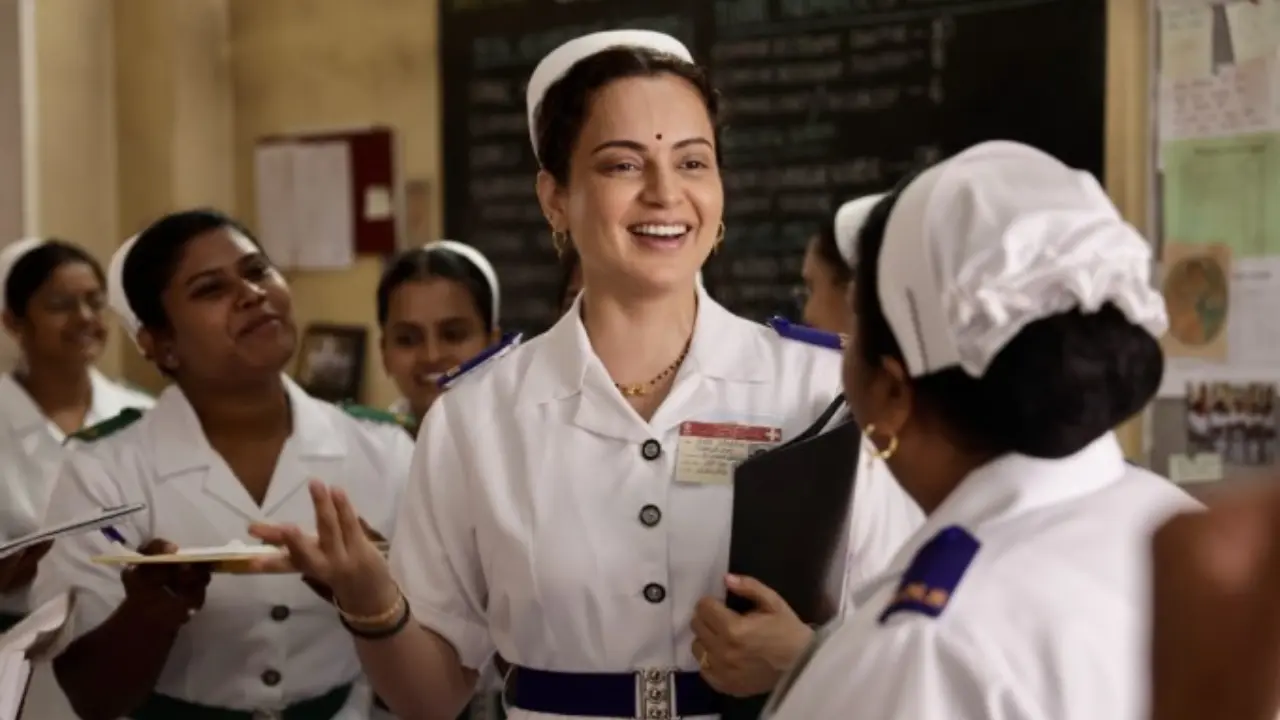
Bollywood actor and now politician, Kangana Ranaut, has voiced strong opinions regarding the nursing profession, particularly highlighting what she perceives as a lack of respect and prevalent sexualization within the field. Her observations come as she prepares for the release of her upcoming film, *Bharat Bhhagya Viddhaata*, where she portrays a nurse, offering her a unique perspective on the role and its challenges.
Ranaut explicitly stated her belief that nurses do not receive the recognition they deserve, despite their critical contribution to healthcare systems. She further elaborated on the issue of sexualization, suggesting it is a significant factor diminishing the profession’s standing in society. This perspective emerged during her discussions about her role and the broader context of nursing.
A key point of her commentary focused on the traditional uniforms worn by nurses. Ranaut suggested these uniforms carry a distinctly “British” aesthetic, which she believes is outdated and unsuitable for contemporary Indian settings. She argued that while doctors have flexibility in their attire, nurses are often confined to a dress code that does not align with local weather conditions, whether hot or cold. This observation implies a call for uniforms that are not only culturally appropriate but also practical and comfortable for the professionals wearing them.
Ranaut shared her personal opinion, advocating for a re-evaluation of the dress code to reflect a more “Indian” identity. She stressed the importance of designing uniforms that uphold the dignity and integrity of the profession. According to Ranaut, the uniform should signify duty and professionalism, transcending concerns about “shape and size.” Her comments suggest a desire for a shift towards attire that truly represents the solemnity and crucial nature of nursing work.
In her cinematic endeavor, *Bharat Bhhagya Viddhaata*, Ranaut indicated that the team has approached the portrayal of nurses with utmost integrity and dignity. This suggests an effort within the film to challenge existing stereotypes and present the profession in a respectful light, echoing her public statements. Her engagement with the role appears to have deepened her understanding and prompted her to speak out on these societal issues.
Ranaut’s dual role as an actor and a politician lends additional weight to her statements, potentially bringing these concerns to a broader public and policy discussion. Her comments underscore a growing sentiment that professions vital to public welfare, like nursing, should be perceived through a lens of respect and professionalism, free from outdated stereotypes or objectification. The conversation she has initiated around nurse uniforms also touches upon aspects of cultural identity and practical considerations within professional attire, moving beyond mere aesthetics to address functionality and symbolic representation.
The call for an “Indianized” uniform suggests a desire to shed colonial influences and embrace designs that resonate more with local culture and climate, while still maintaining a professional appearance. This could spark a wider debate on how various professional dress codes in India might benefit from similar re-evaluations, ensuring they are reflective of modern Indian identity and practical needs. Her emphasis on integrity and dignity in a uniform reinforces the idea that professional attire is not merely clothing, but a powerful symbol of dedication and service.
Her remarks encourage a re-evaluation of how society views and treats nurses, prompting a necessary dialogue about providing them with the respect and recognition their invaluable service merits. By highlighting the issue of sexualization, Ranaut aims to challenge ingrained biases and advocate for a professional environment where nurses are valued for their skills, compassion, and tireless efforts, rather than being subjected to superficial judgments based on their appearance or profession’s perceived image. This broader societal shift in perception is crucial for attracting and retaining talent in a profession that forms the backbone of healthcare delivery.
Ranaut’s critique extends beyond the aesthetic, touching upon the practical realities faced by nurses. The suggestion that current uniforms are ill-suited for varying Indian weather conditions points to a practical discomfort that can affect job performance and well-being. A uniform designed with local climate in mind would not only be more comfortable but could also contribute to the overall efficiency and satisfaction of healthcare workers. This practical aspect, when combined with the cultural identity element, forms a comprehensive argument for re-imagining the nurse’s dress code.
Furthermore, her assertion that the uniform should convey duty rather than focusing on “shape and size” is a powerful statement against objectification. It advocates for a professional image that champions competence and dedication over superficial attributes, thereby fostering an environment of respect and gender equity within the healthcare sector. This perspective seeks to empower nurses, ensuring their contributions are valued primarily for their professional skills and ethical commitment. By highlighting these issues, Ranaut contributes to a critical discourse aimed at elevating the status of nurses and ensuring their working conditions and public perception are aligned with the vital role they play in society.
## Why This Matters
Kangana Ranaut’s comments shed light on critical issues affecting the nursing profession, including persistent sexualization and a perceived lack of respect. By bringing these concerns into public discourse, she initiates an important conversation about how society values its healthcare workers. Her call for “Indianized” nurse uniforms challenges existing norms, urging a re-evaluation of professional attire that considers cultural relevance, practicality for local climates, and the symbolic representation of dignity and duty. This dialogue could lead to reforms that improve the working conditions and public perception of nurses, ensuring they receive the recognition and respect essential for their invaluable contribution to public health. Moreover, her statements contribute to a broader discussion about decolonizing professional identities and fostering an environment where all healthcare professionals are judged solely on their competence and dedication.
## Frequently Asked Questions
##Question 1?
What is Kangana Ranaut’s role in her upcoming film?
Answer 1: Kangana Ranaut portrays a nurse in her upcoming film, *Bharat Bhhagya Viddhaata*.
##Question 2?
What are Kangana Ranaut’s main criticisms regarding the nursing profession?
Answer 2: She believes the nursing profession is often sexualized, lacks adequate respect and recognition, and that their uniforms have a “British” influence which she finds unsuitable for India.
##Question 3?
What did Kangana Ranaut suggest about nurse uniforms?
Answer 3: Kangana Ranaut suggested that nurse uniforms should be “Indianized” to be more culturally appropriate and practical for varying weather conditions. She also emphasized that the uniform should represent integrity and duty, rather than focusing on “shape and size.”