
## Key Takeaways
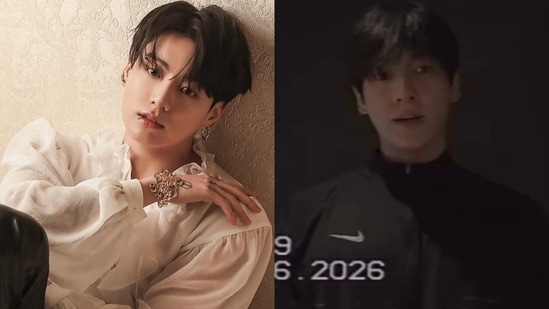
– BTS member Jung Kook offered fans a chance for selfies if spotted during a Han River run on June 1.
– This open invitation regrettably led to individuals, identified as ‘sasaeng fans,’ gathering near his private residence.
– The unexpected intrusion into his personal space reportedly left the artist in shock, underscoring challenges public figures face.
## Main Developments
A gesture of goodwill by Jung Kook, a prominent member of the globally acclaimed group BTS, recently culminated in an unforeseen and troubling incident, highlighting the intricate dynamics inherent in celebrity-fan relationships. What began as a public invitation for spontaneous interaction on June 1 transformed into a concerning breach of personal space, leaving the artist reportedly in shock.
On the specified date, Jung Kook communicated his intentions through a video shared on his Instagram Stories. He announced his plans for an outing, specifically a run along the scenic Han River. In a display of openness and a desire to forge a more direct connection with his expansive fanbase, he extended a unique offer: any fan who happened to encounter him during his workout would be welcomed to take a selfie. This kind of direct, unscripted engagement is often seen as a modern approach to fostering community, allowing for seemingly genuine, personal moments between an artist and their admirers. The initiative appeared to be an effort to transform a routine personal activity into a potentially memorable shared experience, reflecting a desire to interact with fans in a public, accessible environment.
The spirit of this generous overture, however, was regrettably met with an outcome vastly different from its intended purpose. Rather than fostering positive, chance encounters in a public setting, the artist’s gesture led to an unwelcome development. This unexpected turn of events caused significant distress, with reports indicating that Jung Kook was left in a state of shock following the incident. Such a reaction speaks volumes about the unexpected nature and severity of the situation, transforming what was meant to be a moment of connection into one of considerable discomfort and concern. The clear contrast between the artist’s initial intent and the subsequent reality underscores the precarious balance celebrities often navigate in their interactions with the public.
The core of the issue emerged when, instead of respecting the premise of a public, chance encounter, certain individuals, identified by the source as “sasaeng fans,” reportedly chose a far more invasive course of action. These individuals gathered near Jung Kook’s private residence, a significant and concerning deviation from the original offer. The movement from the open, public expanse of the Han River to the immediate vicinity of a private home represents a critical violation of personal boundaries. A public figure, despite their visibility, is entitled to a degree of privacy, particularly within their own living space. This intrusion into what should be a sanctuary highlights the persistent challenges many public figures face in maintaining personal security and boundaries in an era of heightened digital access and persistent public interest.
The very nature of the incident, involving a convergence near a private home, starkly contrasts with the initial invitation. Jung Kook’s offer was made for a public setting, during a planned activity, implying a voluntary, chance meeting on neutral ground. The subsequent gathering near his home, however, transformed this open invitation into an unsolicited intrusion, blurring the lines between public accessibility and private sanctity. Such behavior not only undermines the artist’s trust but also creates a precedent that can make future, similar gestures of openness difficult, potentially leading to increased caution from public figures in their direct interactions. The incident serves as a poignant reminder that genuine fan appreciation respects established boundaries and the personal space of the individual.
Further complicating the situation, the events unfolded in the public eye, amplified by digital platforms. Soon after the gathering near Jung Kook’s home, photos and videos related to the incident quickly went viral online. This rapid dissemination ensured that the unsettling turn of events became widely known, underscoring the pervasive nature of social media and its capacity to instantly broadcast both the intended and unintended consequences of public figures’ actions. The viral spread of this content highlights how quickly personal situations can become global news, adding another layer of complexity to the challenges of managing celebrity privacy in the digital age. The incident illustrates how a seemingly innocuous offer can escalate rapidly, attracting widespread attention and commentary, irrespective of the artist’s initial intentions or personal comfort.
This incident also shines a light on the broader implications of fan culture and the sometimes-blurred lines between fervent admiration and invasive behavior. While the vast majority of fans exhibit respectful and supportive conduct, instances like this underscore the crucial importance of maintaining appropriate boundaries. For artists, the desire to connect with their audience is often genuine, but the potential for such gestures to be exploited or misunderstood poses a constant dilemma. The expectation of privacy, particularly within one’s home, remains a fundamental right, irrespective of one’s public status. When these boundaries are crossed, it not only impacts the individual artist but can also affect the wider relationship between celebrities and their fan communities, fostering a sense of caution that may ultimately limit future opportunities for direct engagement.
Ultimately, the event serves as a powerful reminder of the responsibilities that accompany fandom. Respecting an artist’s personal space and understanding the difference between public interaction and private intrusion are paramount. The initial joy of a spontaneous connection opportunity was overshadowed by an act that violated personal sanctuary, leaving a lasting impression of the complexities and potential pitfalls that public figures face daily. This experience for Jung Kook, though regrettable, offers a vivid illustration of the delicate balance that must be struck between an artist’s desire to engage and their fundamental right to privacy and personal security.
## Why This Matters
This incident holds significant importance as it starkly illustrates the delicate and often challenging balance public figures must navigate between engaging with their fanbase and maintaining their personal privacy. It underscores how even well-intentioned gestures of accessibility can lead to unforeseen and distressing consequences when personal boundaries are disregarded. The event highlights the crucial need for fans to respect the private spaces of artists, reinforcing the idea that admiration should not translate into intrusion. Ultimately, it serves as a powerful reminder of the responsibilities that come with being a fan and the essential right to privacy that every individual, regardless of their public profile, deserves.
## Frequently Asked Questions
What was Jung Kook’s initial offer to his fans?
Jung Kook, a member of BTS, offered fans the opportunity to take a selfie with him if they spotted him during his Han River run on June 1.
What was the unexpected outcome of this public invitation?
The initial invitation regrettably led to individuals identified as ‘sasaeng fans’ gathering near Jung Kook’s private residence, which reportedly left the artist in shock.
How did the situation become widely known?
Following the incident, photos and videos related to the gathering near his home quickly went viral across online platforms, publicizing the event.