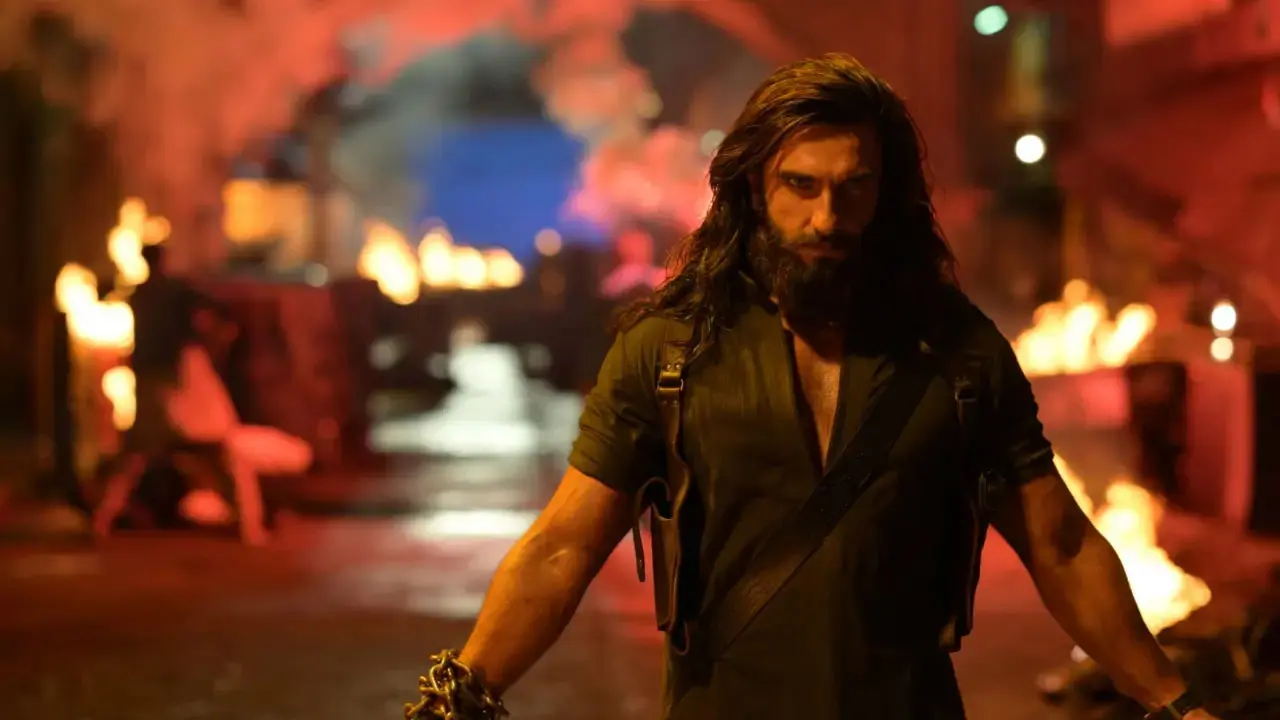
Mumbai – Ranveer Singh’s highly anticipated action flick, “Dhurandhar: The Revenge,” has found itself in the spotlight for reasons beyond its star power. The Delhi High Court recently intervened, asking the Central government and the Censor Board to address serious concerns that the film might inadvertently expose sensitive intelligence and defence information crucial to the nation’s security.
The Court’s Directive
In a significant development on Wednesday, the Delhi High Court’s bench, comprising Chief Justice D K Upadhyaya and Justice Tejas Karia, instructed authorities to treat a Public Interest Litigation (PIL) against the movie as a formal representation. The PIL alleges that “Dhurandhar: The Revenge” could reveal tactical details about India’s intelligence and defence operations, a claim the court acknowledged as not “without any material.”
“The Censor Board should have some guidelines. We want you to consider this representation and take an informed decision,” the bench orally remarked, underscoring the gravity of the concerns raised. This directive places the ball squarely in the court of the Centre and the Censor Board of Film Certification (CBFC), urging a thorough review before the film hits the big screen.
The Petitioner’s Stand
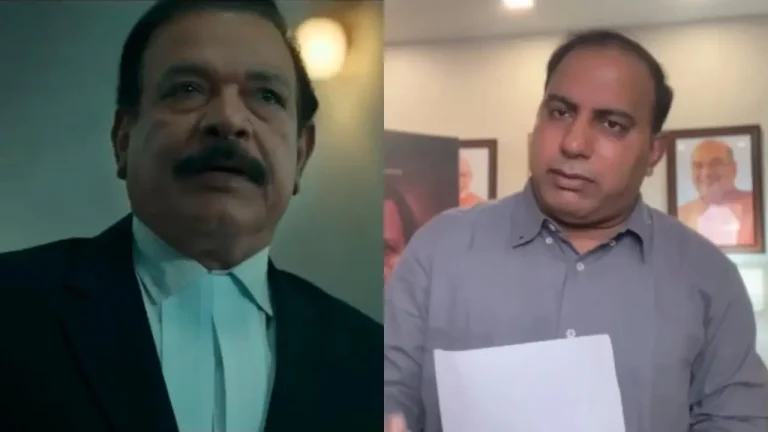
The PIL was filed by an active personnel from the Sashastra Seema Bal (SSB), one of India’s central armed police forces. The involvement of an individual from a national security agency lends significant weight to the petition, suggesting an informed perspective on the potential risks. While the specific details of the alleged revelations remain under wraps, the core contention revolves around the film’s portrayal of strategic information that could potentially compromise national interests if made public.
For an SSB personnel to file such a petition highlights a deep concern within the security establishment regarding the portrayal of sensitive operations in mainstream entertainment. It’s a stark reminder that while cinema aims to entertain, its depiction of real-world scenarios, particularly those involving national security, carries considerable responsibility.
Balancing Art and National Security
This situation brings to the forefront the perennial debate between creative freedom in filmmaking and the imperative of national security. Filmmakers often draw inspiration from real-life events, including espionage and military operations, to craft compelling narratives. However, there’s a delicate line that needs to be respected to avoid inadvertently jeopardizing ongoing efforts or revealing methodologies that could be exploited by adversaries.
The Delhi High Court’s observations suggest that while entertainment is a primary goal of cinema, its “impact cannot be denied.” This acknowledges the powerful influence films can have on public perception and, in cases involving sensitive subjects, potential real-world consequences. It’s a call for the Censor Board to not just look at explicit content but also the broader implications of factual or tactical information presented.
The Censor Board’s Role Under Scrutiny
The directive for the Censor Board to consider the PIL as a formal representation is a significant move. Typically, the CBFC reviews films based on guidelines related to obscenity, violence, and general public order. However, national security concerns, especially those detailing tactical information, fall into a more sensitive category requiring specialized scrutiny.
The court’s suggestion for the Censor Board to “have some guidelines” specifically for such scenarios implies a need for a more robust framework. This could involve consulting with defence and intelligence experts when reviewing films that delve into these complex domains. The process now mandates the CBFC to delve deeper than a standard review, making an “informed decision” that balances artistic expression with the nation’s security imperatives.
What Happens Next?
Following the High Court’s directive, the Centre and the CBFC are expected to undertake a detailed examination of “Dhurandhar: The Revenge.” This could involve screening the film, potentially with input from defence and intelligence officials, to assess the validity of the concerns raised in the PIL. Depending on their findings, the Censor Board could recommend specific cuts, modifications, or even, in extreme cases, refuse certification if the threats are deemed too severe.
This process will likely be a meticulous one, ensuring that both the filmmakers’ creative rights and the nation’s security interests are thoroughly considered. The outcome will set an important precedent for future films dealing with similar sensitive themes, reinforcing the idea that cinematic storytelling, while powerful, must also be responsible.
Why This Matters
This case isn’t just about one Ranveer Singh film; it’s about the broader responsibility of creators and regulators when sensitive national security topics enter the realm of entertainment. It highlights the critical balance between artistic freedom and national interest, emphasizing that films, with their wide reach, carry a significant impact. The High Court’s intervention serves as a crucial reminder for the film industry to exercise caution and for the Censor Board to evolve its guidelines to address the increasingly complex and sensitive narratives portrayed on screen. It ensures that public interest, especially concerning national security, remains a paramount consideration.