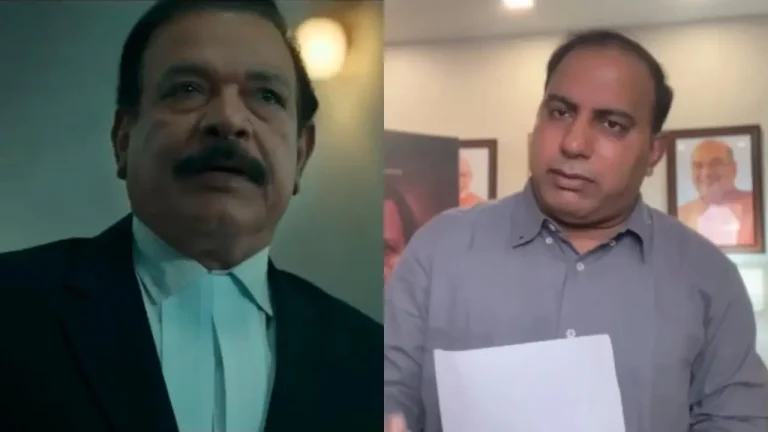
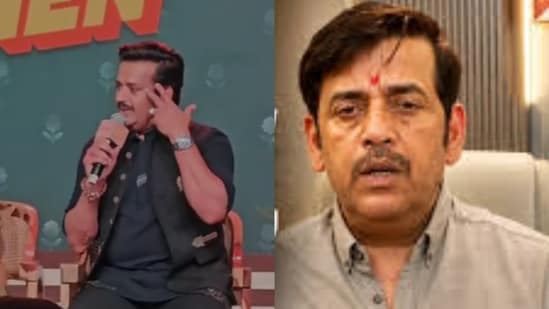
New Delhi – In the ever-spinning carousel of internet fame, actor-politician Ravi Kishan has once again found himself at the heart of a viral sensation. This time, a seemingly innocuous slip of the tongue while promoting a national campaign has catapulted him back into the meme spotlight, and true to form, Kishan is embracing it with his signature wit.
The Gaffe Heard ‘Round the Internet
It all started when the Lok Sabha MP was speaking to reporters, championing Prime Minister Narendra Modi’s “work from home” initiative. In a moment that immediately became gold for internet creators, Kishan enthusiastically urged citizens to embrace “home from work.” Yes, you read that right. A simple inversion of words, a fleeting moment of confusion, and boom – a new meme was born.
For anyone who’s ever tried to multitask or speak under pressure, a minor verbal fumble is entirely relatable. But when you’re a public figure, especially one as recognizable as Ravi Kishan, these moments are amplified, dissected, and often, immortalized in the digital ether. The clip rapidly circulated across social media platforms, sparking a flurry of jokes, memes, and lighthearted commentary.
Kishan’s Comeback: “Mujhe To Bas Aana Hai Aur Viral Ho Jana Hai”
Far from shying away from the gaffe, Kishan has now officially addressed the situation, proving once again that he’s a master of turning internet scrutiny into engaging public relations. When pressed about the viral video by eager reporters, he reportedly leaned into the humor, delivering a line that perfectly encapsulates his relationship with online fame: “Mujhe to bas aana hai aur viral ho jana hai.”
Translated loosely, it means, “I just have to show up, and I automatically go viral.” This self-aware, almost playful declaration immediately cut through any potential for criticism, instead positioning him as someone who understands and even enjoys the unpredictable nature of internet culture. His response demonstrates a savvy understanding that in the digital age, sometimes the best way to handle a gaffe is to own it, laugh it off, and make it part of your persona.
A History of Viral Moments
This isn’t Ravi Kishan’s first rodeo in the meme arena. Long-time followers of Indian internet trends will recall his legendary “jaldi the late” remark. That particular moment, where he seemingly combined “jaldi” (quickly) with “too late,” became an iconic shorthand for a particular kind of unintentional humor. It showcased his distinctive style of communication and cemented his status as a recurring character in India’s vast meme landscape.
The “jaldi the late” meme was a cultural moment, inspiring countless remixes, spoofs, and an enduring catchphrase that still pops up in online conversations today. The fact that Kishan openly acknowledges and even references these past viral moments indicates a level of comfort and adaptability that many public figures strive for, but few achieve so effortlessly. He’s not just a politician or an actor; he’s become an unwitting curator of online hilarity.
The Anatomy of a Political Meme
Political figures making verbal missteps is hardly newsworthy. What makes Kishan’s situations different is his ability to parlay them into charming, relatable content. His “home from work” moment resonated because it felt incredibly human. Who hasn’t had their brain momentarily short-circuit, leading to a perfectly nonsensical phrase?
The internet’s quick turnaround in creating and spreading these memes also highlights the current media landscape. A single video clip can be repurposed, recontextualized, and shared millions of times within hours. This rapid dissemination means that public figures like Kishan have to be agile in their responses. His lighthearted approach provides a blueprint for how to navigate this often-unpredictable digital environment. Instead of damage control, he opted for engagement, turning a potential PR misstep into a moment of connection with the public.
Beyond the Laughs: The Context of “Work From Home”
It’s also worth remembering the broader context of the initial gaffe. Kishan was attempting to promote the “work from home” campaign, an initiative that gained significant traction during the pandemic and continues to be relevant for many sectors. The campaign, championed by PM Modi, aims to encourage flexible working arrangements, reduce commute times, and potentially boost productivity and quality of life for employees.
While Kishan’s message got a little twisted in translation, the underlying intent was to support a significant shift in India’s professional landscape. His gaffe, therefore, serves as a humorous tangent within a more serious conversation about modern work culture. The irony, of course, is that while discussing working *from* home, he managed to create a viral moment *from* his work.
Why This Matters
In an era where political discourse can often be intense and divisive, moments of lightheartedness and genuine human error can serve as a welcome breath of fresh air. Ravi Kishan’s ability to laugh at himself and embrace the internet’s playful nature humanizes him, making him more relatable to a modern audience. It also showcases the evolving dynamic between public figures and digital culture, where authenticity – even in moments of imperfection – can often trump polished PR. These viral moments, while seemingly trivial, reflect a deeper cultural phenomenon: our collective need for humor, connection, and the shared experience of an unexpected laugh in our daily feeds.