
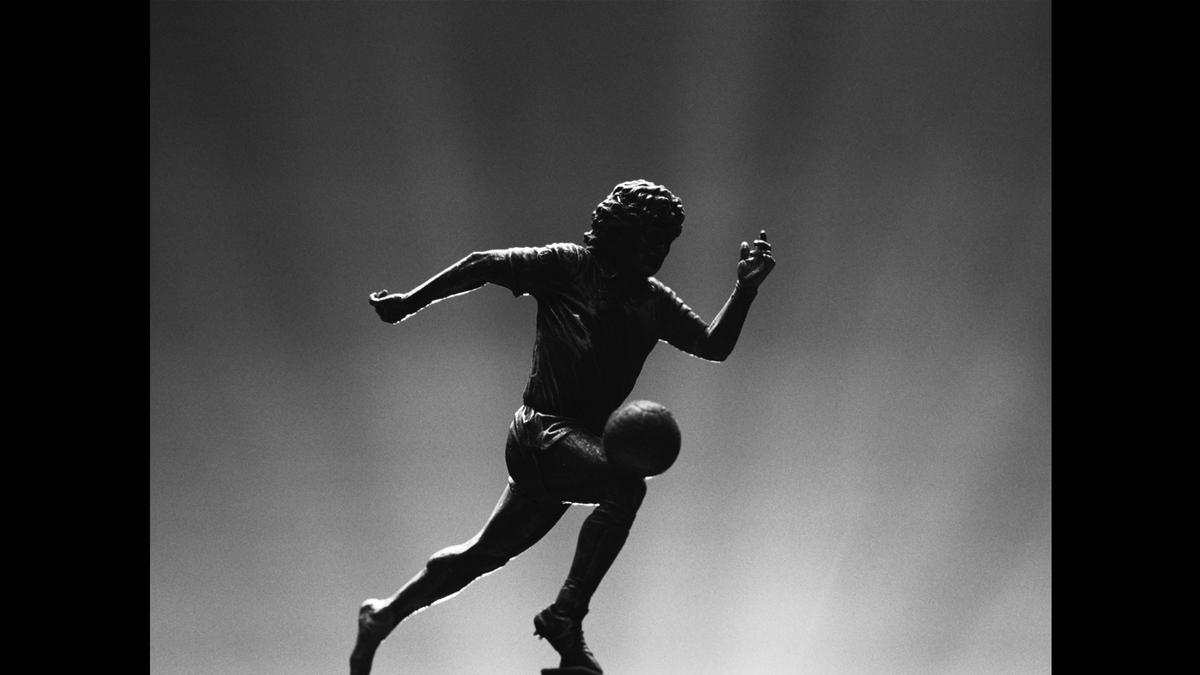
The Cannes Film Festival, synonymous with glitz, glamour, and groundbreaking cinematic art, often sets the tone for the year’s most prestigious dramas and auteur-driven features. But at Cannes 2026, something entirely different captivated the Croisette, proving that the beautiful game can create just as compelling a narrative as any fictional masterpiece. This year, it wasn’t a Palme d’Or contender from a celebrated European director or a star-studded Hollywood premiere that dominated headlines, but two stunning documentaries celebrating the lives of footballing titans: Diego Maradona and Eric Cantona.
When Football Unexpectedly Took Centre Stage
For a festival steeped in the legacy of Bergman and Fellini, the buzz around two sports documentaries felt refreshingly rebellious. Yet, as the screenings unfolded, it became clear these weren’t just films for die-hard fans. They were powerful, insightful explorations of genius, passion, controversy, and the complex human spirit, presented with a cinematic flair that demanded attention from even the most discerning cinephiles. The industry was left talking not about the next big indie drama, but about how Maradona and Cantona had unexpectedly, and comprehensively, “stolen the show.”
Maradona: Unveiling the Myth, the Man, and the Madness
The documentary focused on Diego Maradona, the Argentine legend, arrived with immense anticipation and delivered a visceral, often heartbreaking, journey through his tumultuous life. More than just a recount of his on-field miracles – the “Hand of God,” the dazzling dribbles, the World Cup glory – the film delved deep into the man behind the myth. It explored the pressures of fame, the weight of expectation on a nation, his struggles with addiction, and the passionate, often chaotic, relationships that defined his existence.
Sources close to the production suggested the filmmakers had unprecedented access, unearthing previously unseen footage and conducting raw, candid interviews with those closest to him. The result was reportedly a multi-layered portrait that didn’t shy away from Maradona’s flaws, but also underscored his unparalleled talent and the almost mythological status he held globally. Cannes audiences were reportedly moved to tears and thunderous applause, recognizing a story of Shakespearean proportions.
Cantona: The Poet, The Rebel, The King
In stark contrast, the Eric Cantona documentary offered a more philosophical and introspective look at football’s ultimate enigma. Known for his poetic pronouncements, rebellious spirit, and post-football career as an actor and artist, Cantona has always defied easy categorization. The film reportedly explored his unique worldview, his famous “seagulls” quote, his contentious exit from football, and his subsequent journey into other creative realms.
It wasn’t a chronological biography but a thematic exploration of his impact on culture, sport, and self-expression. Directors utilized a blend of archive footage, animated sequences, and a series of intimate, deeply thoughtful interviews with Cantona himself, alongside teammates, managers, and cultural commentators. The Cannes premiere reportedly sparked lively debate, with critics praising its artistic ambition and its ability to peel back the layers of a truly singular figure, offering insights into what drives a creative mind beyond the confines of a single profession.
Why Cannes Embraced the Beautiful Game
The success of these two films at a festival primarily known for high art speaks volumes about the evolving landscape of documentary filmmaking and cinematic storytelling. Sports documentaries have been steadily gaining critical traction in recent years, moving beyond niche audiences to become mainstream hits. This isn’t about glorifying the sport itself, but about using the intense arena of athletic competition as a backdrop for profound human drama.
These films, in particular, transcended mere sports narratives. They were character studies of two complex individuals whose lives were intertwined with global events and cultural shifts. They offered universal themes of triumph, despair, resilience, and the relentless pursuit of greatness, making them relatable to any audience, regardless of their familiarity with football. Cannes, in its embrace, demonstrated an admirable flexibility and a recognition that powerful stories can emerge from any corner of human experience.
A Festival Buzz That Echoed Globally
The buzz generated by the Maradona and Cantona documentaries wasn’t confined to the Palais des Festivals. Social media lit up with discussions, industry publications debated their potential for awards season, and major distribution deals were reportedly being hammered out even before the festival concluded. The red carpets saw an unusual mix of film critics alongside football legends and cultural icons, all eager to witness these cinematic tributes.
This unexpected triumph wasn’t just about two great films; it was about a statement. It challenged perceptions of what constitutes “festival-worthy” cinema and proved that human stories, when told with exceptional skill and passion, can resonate across genres and cultures. Cannes 2026 will undoubtedly be remembered as the year football took a spectacular, and thoroughly deserved, bow on the grandest cinematic stage.
Why This Matters
The groundbreaking success of the Maradona and Cantona documentaries at Cannes 2026 signifies a pivotal moment for both sports filmmaking and the wider cinematic world. It powerfully demonstrates that documentaries focusing on global sports icons are not just niche interest pieces but can be profound works of art capable of captivating a prestigious, international audience. This shift encourages more investment in high-quality, narrative-driven sports stories, blurring the lines between “entertainment” and “art” and expanding the scope of what festivals like Cannes champion. It underscores that truly compelling human stories, regardless of their subject matter, will always find a way to resonate deeply.