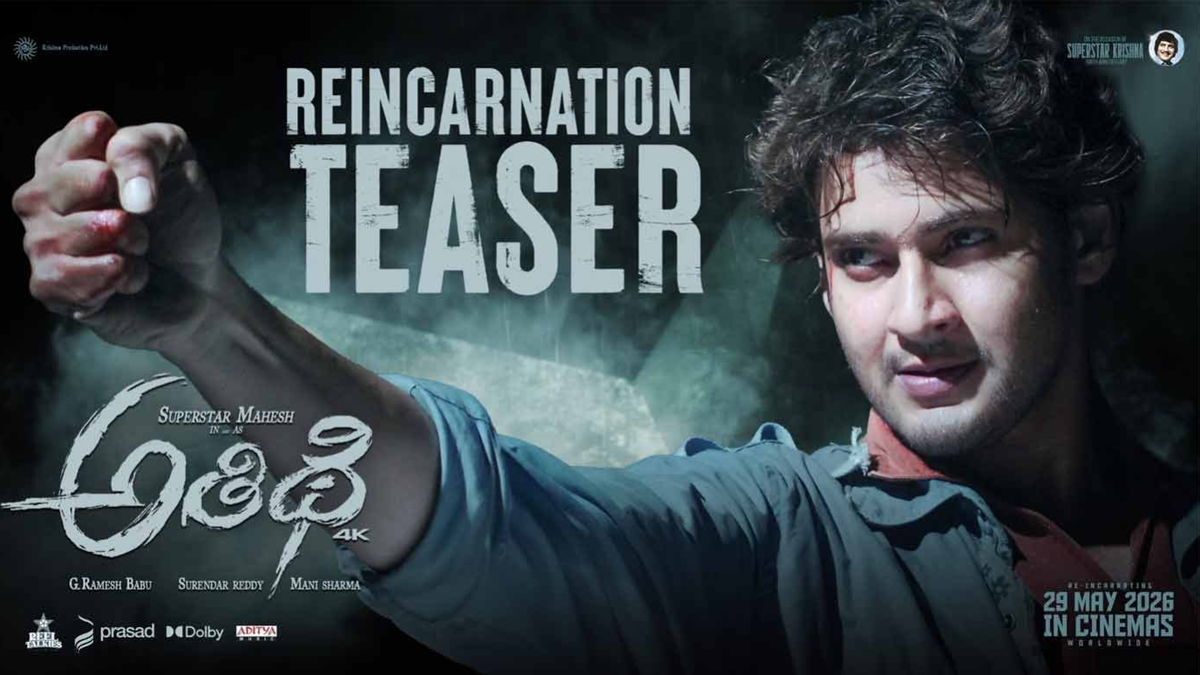
The buzz is palpable among Mahesh Babu fans. His 2007 action-thriller ‘Athidhi’ is set to hit the big screen once more, offering a nostalgic trip for long-time admirers and a fresh experience for newer audiences. But this isn’t just a simple re-release; it’s a testament to the quiet, meticulous work of companies like Prasad Corp, who are diligently bringing India’s cinematic treasures back to life through state-of-the-art digitisation and restoration.
The Comeback Kid: ‘Athidhi’ Returns
Mahesh Babu’s ‘Athidhi’ holds a special place in the hearts of his fans. Re-releases have become a significant trend in Indian cinema, allowing iconic films to recapture the magic in theatres, often with enhanced picture and sound quality. This movement isn’t just about reliving memories; it’s a celebration of cinematic heritage, proving that great storytelling transcends time. The excitement around ‘Athidhi’ is a perfect example of how digitisation can fuel this cultural phenomenon, offering a new lease on life for beloved films.
Beyond the Hype: The Unsung Heroes of Preservation
While actors and directors get the spotlight, the true magicians behind these revitalized classics often remain out of view. Prasad Corp, a name synonymous with film processing and post-production in India for decades, is at the forefront of this critical preservation effort. Their work in digitising and restoring archival titles ensures that the legacy of Indian cinema isn’t lost to the ravages of time, chemical degradation, or outdated formats.
The Delicate Art of Restoration
So, what exactly goes into bringing a film like ‘Athidhi’ from its original celluloid format into the crisp, high-definition experience audiences expect today? It’s an incredibly complex, multi-stage process that blends cutting-edge technology with the delicate touch of skilled artisans.
The journey often begins with a thorough physical inspection of the original film reels. Years of storage can lead to an array of issues: dust accumulation, scratches, tears, color fading, and even “vinegar syndrome,” where the film stock chemically deteriorates, emitting a tell-tale odor and becoming brittle. Each frame, sometimes millions of them, must be meticulously cleaned and repaired by hand. This initial stage is crucial, as any physical damage transferred during scanning will be amplified on a large screen.
From Analogue to Digital Masterpiece
Once the physical film is prepared, it undergoes high-resolution scanning. This process converts the analogue images on the film strip into digital data. Prasad Corp utilizes advanced scanners capable of capturing every nuance, color, and shadow detail present in the original emulsion. The resulting digital files are massive, often requiring specialized storage and powerful computing resources.
The real magic then begins in the digital realm. Expert restorers pore over the scanned footage, frame by frame, using sophisticated software. They remove digital noise, stabilize shaky footage, repair remaining scratches or blemishes, and painstakingly correct color imbalances that may have occurred over time. The goal isn’t just to make the film look “new,” but to restore it to its original artistic intent, or even surpass it if the technology allows for greater clarity than was possible during the initial release.
Soundscapes Reimagined
It’s not just about the visuals; sound plays an equally vital role. Original audio tracks, often recorded on optical tracks on the film or separate magnetic tapes, are also digitised. This audio then undergoes a separate restoration process. Technicians work to eliminate hiss, pops, and crackles, enhance dialogue clarity, and often upmix the sound to modern surround sound formats, giving films a fuller, more immersive sonic experience that wasn’t available decades ago. For ‘Athidhi,’ this means fans can expect to hear Mani Sharma’s iconic score and the impactful dialogues with renewed crispness and depth.
Prasad Corp: A Pillar of Indian Cinema
Prasad Corp’s role in this ecosystem cannot be overstated. With a legacy spanning several decades, they have been an integral part of the Indian film industry’s growth, offering services from film processing and laboratory work to advanced digital post-production. Their commitment to film preservation extends beyond commercial re-releases; they actively collaborate with national archives and individual producers to safeguard India’s diverse cinematic heritage. Their extensive facilities and a team of seasoned professionals make them a go-to partner for studios and filmmakers looking to breathe new life into their classic works.
Why This Matters
The digitisation and restoration of films like ‘Athidhi’ are more than just a trip down memory lane. It’s a vital act of cultural preservation. It ensures that future generations can experience the artistry and storytelling that shaped Indian cinema. It safeguards historical records, showcases the evolution of filmmaking, and opens up new revenue streams for producers. Moreover, it allows contemporary audiences to appreciate the work of legendary actors, directors, and technicians with clarity and quality previously unimaginable, connecting the past to the present in a tangible, vibrant way.
This painstaking process of digital rebirth is an ongoing journey. As technology evolves, so too do the possibilities for preserving and enhancing our shared cinematic past, ensuring that iconic stories continue to resonate for years to come.