## Key Takeaways
– The Central Board of Film Certification (CBFC) has granted Anurag Kashyap and Bobby Deol’s film ‘Bandar’ an ‘A’ certificate.
– The certification came with a directive for the filmmakers to replace or mute several abusive words within the movie’s dialogues.
– Significantly, ‘Bandar’ received its clearance without requiring any visual cuts, focusing solely on audio modifications.
## Main Developments
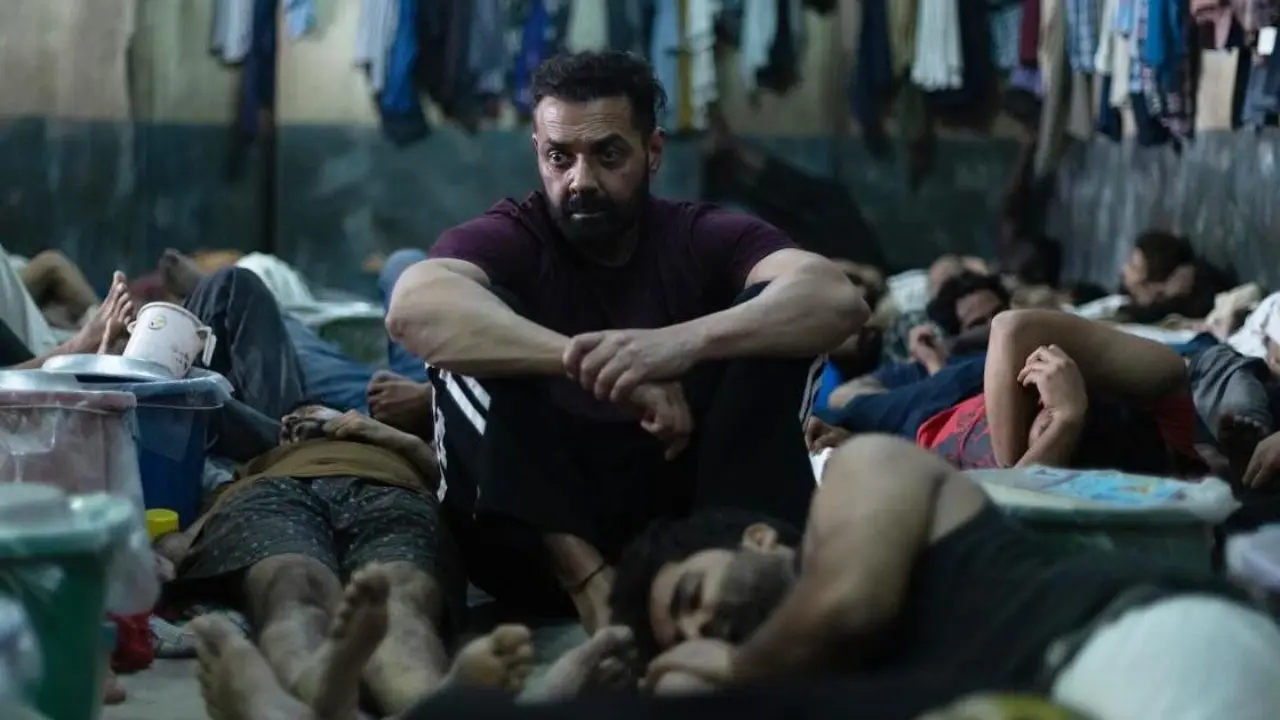
In a recent decision from India’s Central Board of Film Certification (CBFC), the upcoming film ‘Bandar,’ featuring Bobby Deol and associated with Anurag Kashyap, has secured its censor clearance. The movie has been issued an ‘A’ certificate, designating it suitable for adult audiences only, a common classification for content that may contain mature themes, violence, or explicit language. This certification paves the way for the film’s theatrical release, an important step for any production in the Indian cinematic landscape.
The clearance, however, was not without conditions. Reports indicate that the CBFC mandated specific alterations to the film’s dialogues. The filmmakers were directed to replace or mute a number of abusive words present in the script. This action aligns with the CBFC’s broader mandate to ensure films adhere to certain standards of public exhibition, particularly concerning language that might be deemed offensive or unsuitable for general audiences.
One notable aspect of the CBFC’s decision for ‘Bandar’ is the absence of any visual cuts. While dialogue modifications were required, the film’s visual content, including its scenes and imagery, passed without any mandated changes. This distinguishes the certification process for ‘Bandar’ from other instances where films might undergo significant visual edits to comply with board requirements. It suggests that the primary concern of the regulatory body in this particular case revolved around the spoken content rather than the on-screen depiction.
The Central Board of Film Certification plays a crucial role in regulating films intended for public exhibition in India. Established under the Cinematograph Act of 1952, its primary function is to certify films, categorizing them based on suitability for different age groups. The certification process is designed to balance artistic freedom with societal norms and legal guidelines. Films are typically evaluated by examining committees, which then recommend a certificate category and any necessary modifications.
An ‘A’ certificate, or ‘Adult’ certificate, signifies that a film is restricted to viewers aged 18 and above. This classification is typically assigned when a film contains themes, language, or imagery that are considered unsuitable for minors. For filmmakers, receiving an ‘A’ certificate can sometimes impact the film’s potential audience reach, as it excludes a significant demographic. However, it also offers a broader scope for creative expression, allowing for more mature narratives and themes without the need to dilute content for younger viewers. In the case of ‘Bandar,’ the ‘A’ rating indicates the film likely delves into themes or features elements that the board deemed appropriate only for adults.
The practice of replacing or muting cuss words is a common measure undertaken by the CBFC. Filmmakers often navigate these directives by either re-recording dialogue with milder alternatives, creatively editing sound, or completely muting offensive words at specific points in the film. While these changes aim to adhere to certification guidelines, they can sometimes lead to debates about artistic integrity and the impact on the film’s original tone and intent. For a film like ‘Bandar,’ the requirement to modify language highlights the CBFC’s consistent scrutiny of spoken content, even within films targeted at adult audiences.
Anurag Kashyap, known for his distinctive and often unconventional filmmaking style, has frequently explored gritty realities and complex characters, which sometimes involve the use of strong language to enhance realism. Bobby Deol’s involvement further adds to the anticipation surrounding ‘Bandar,’ as audiences look forward to his performance in this certified adult-only narrative. The film’s journey through the censor board underscores the ongoing dialogue between cinematic expression and regulatory oversight in India. The decision, as reported by Bollywood Hungama and further detailed by Mid-Day, was finalized on June 4, 2026, marking a significant step towards the film’s eventual release. This development provides insight into the practical implications of India’s film censorship policies, demonstrating how even adult-rated films are subject to specific dialogue modifications to meet regulatory standards.
## Why This Matters
The CBFC’s decision regarding ‘Bandar’ is significant for several reasons, touching upon artistic freedom, audience access, and the evolving landscape of film regulation in India. For audiences, the ‘A’ certificate means the film will be restricted to individuals 18 years and older, influencing who can view it and how it might be marketed. This directly impacts the film’s commercial performance and its potential cultural reach. Viewers who appreciate mature storytelling might be drawn to the ‘A’ rating, understanding it promises content unconstrained by the need to be palatable for children.
For filmmakers like Anurag Kashyap, who are often celebrated for their bold and realistic narratives, the directive to alter dialogue, even without visual cuts, brings to the fore the persistent tension between creative vision and regulatory compliance. While an ‘A’ certificate grants more latitude, the need to modify language still raises questions about the extent of artistic autonomy within the Indian film industry. This instance serves as a practical example of how creative works are shaped by external censorship bodies, highlighting the compromises filmmakers often make to bring their stories to the screen.
Furthermore, this development contributes to the ongoing public discourse about film censorship in India. It reiterates the CBFC’s active role in shaping cultural content, specifically targeting language deemed abusive. The distinction between visual and dialogue alterations in ‘Bandar’ offers a specific case study in how the board applies its guidelines. This case can inform broader discussions on what constitutes objectionable content, the interpretation of ‘adult’ themes, and the balance between protecting public sensibilities and fostering diverse artistic expression. Ultimately, the certification of ‘Bandar’ is not just about one film; it reflects the ongoing dynamics between creativity, commerce, and control within one of the world’s largest film industries.
## Frequently Asked Questions
What does an ‘A’ certificate mean for a film in India?
An ‘A’ certificate, or ‘Adult’ certificate, issued by the Central Board of Film Certification (CBFC) in India, signifies that a film is restricted to viewers aged 18 and above. This classification is given to films containing themes, language, or visuals considered unsuitable for minors, such as strong violence, sexual content, or explicit language.
What is the role of the CBFC in India?
The CBFC is a statutory body under the Ministry of Information and Broadcasting, Government of India. Its primary role is to regulate the public exhibition of films in India by certifying them into various categories (U, U/A, A, S) based on their content. The board ensures films adhere to guidelines concerning public morality, law and order, and national security, often recommending modifications or cuts as part of the certification process.
Why are cuss words often targeted in film censorship?
Cuss words or abusive language are frequently targeted in film censorship due to societal norms and public sensibilities in India, which often deem such language offensive, especially for younger audiences. The CBFC’s guidelines aim to prevent the propagation of language that could be considered vulgar or promote anti-social behavior, even in films intended for adult viewing.