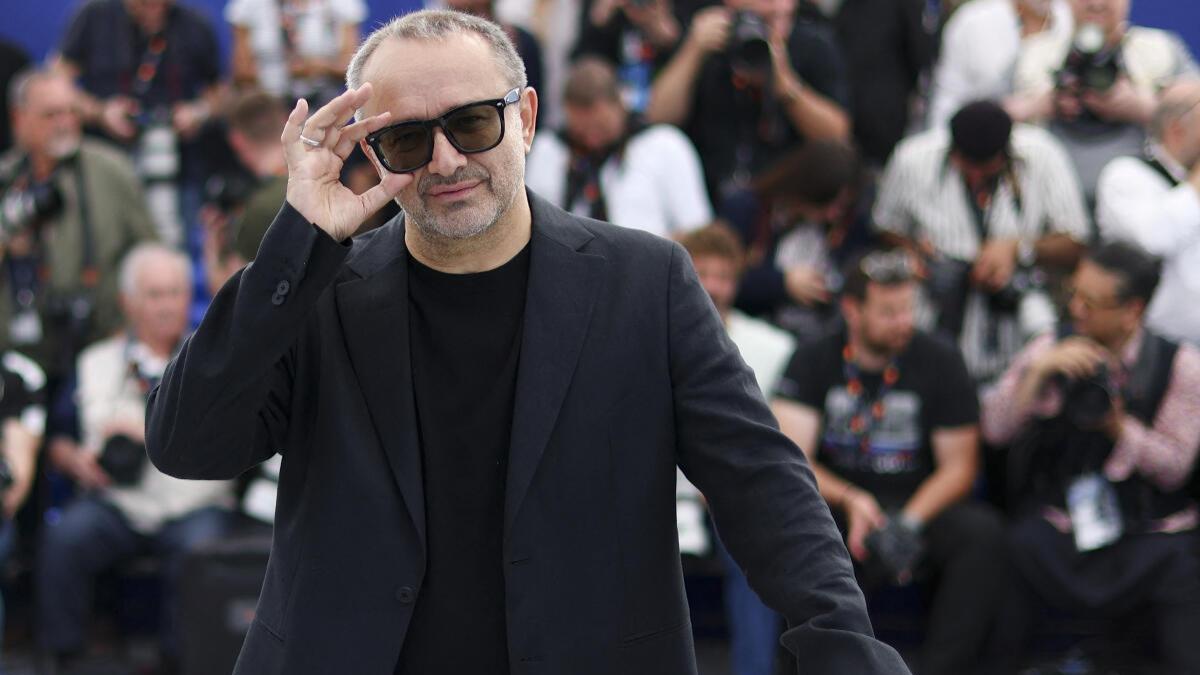
The French Riviera usually hums with a blend of glamour, anticipation, and the gentle clinking of champagne flutes. But this year, a different kind of buzz has seized the Cannes Film Festival 2026. A palpable tension, a sense of urgent truth, arrived with the premiere of Andrey Zvyagintsev’s latest masterpiece, ‘Minotaur’, leaving the industry, critics, and audiences alike profoundly jolted.
A Master Returns to the Spotlight
For anyone familiar with contemporary world cinema, Andrey Zvyagintsev is a name synonymous with uncompromising vision and a relentless pursuit of societal truth. The Russian director, celebrated for his stark, often allegorical critiques of modern Russia in films like ‘Leviathan’ and ‘Loveless’, has once again proven his mettle. His previous works earned him accolades and global recognition, often drawing the ire of his home country’s cultural establishment due to their unflinching portrayal of its darker undercurrents. With ‘Minotaur’, Zvyagintsev doesn’t just push boundaries; he obliterates them.
Unveiling the ‘Minotaur’: A Glimpse into the Abyss
The film, shrouded in secrecy leading up to its Cannes unveiling, wastes no time in plunging viewers into the murky depths of contemporary Russia. ‘Minotaur’ is an intricate, chilling narrative weaving together threads of brutal murder and systemic corruption, set against the backdrop of Putin’s Russia. While specific plot details remain under wraps to preserve the film’s impact for wider audiences, early whispers suggest a story of a seemingly ordinary citizen caught in an extraordinary web of deceit, where the lines between justice and power are not just blurred but entirely erased.
Sources close to the production indicate the film follows a provincial investigator, whose initial pursuit of a local murder unravels a sprawling conspiracy reaching the highest echelons of power. It’s a journey into a labyrinth, much like the mythical Minotaur’s maze, where the monster isn’t a beast but the insidious, faceless machinery of a corrupt state. Zvyagintsev masterfully crafts a sense of claustrophobia and paranoia, making every shadow a potential threat, every official encounter a dance with danger.
The Unflinching Gaze: Art as a Political Act
Zvyagintsev has never shied away from confronting the socio-political realities of his homeland, even at personal risk. ‘Minotaur’ continues this tradition, acting as a searing indictment of the abuses of power and the erosion of individual freedoms. The film’s narrative is not just a reflection but a magnifying glass, exposing the decay that can fester when accountability evaporates and dissent is stifled.
The choice to premiere such a politically charged film at a global platform like Cannes is no accident. It transforms the screening into more than just an artistic event; it becomes a political statement, a rallying cry for freedom of expression, and a stark reminder of the power of cinema to speak truth to power, regardless of geographical borders or state censorship.
Festival’s Reaction: A Collective Awe and Unease
The screening of ‘Minotaur’ was met with a deafening silence followed by a thunderous, prolonged standing ovation that reportedly lasted well over ten minutes. The mood in the Grand Théâtre Lumière was electric – a mix of admiration for Zvyagintsev’s artistic bravery and a profound unease at the grim reality depicted onscreen. Critics emerged visibly shaken, some tearful, others engaged in intense, hushed debates.
Early reviews are unanimous: ‘Minotaur’ is not just a film; it’s an experience. It’s challenging, deeply unsettling, yet undeniably essential viewing. Many are already tipping it as a strong contender for the Palme d’Or, recognizing its immense artistic merit and its urgent, universal message. The conversations ignited by the film are already dominating the Croisette, proving that cinema can still provoke, disturb, and inspire change.
The Path Forward
As the festival progresses, ‘Minotaur’ is set to remain a focal point of discussion. Its impact will undoubtedly extend far beyond the Riviera, sparking debates about human rights, political systems, and the role of art in an increasingly complex world. Andrey Zvyagintsev has once again proven himself to be a filmmaker of immense courage and unparalleled talent, delivering a film that doesn’t just entertain but demands contemplation and action. ‘Minotaur’ is more than a film; it’s a necessary confrontation, a mirror held up to the darker corners of our global society.
Why This Matters
‘Minotaur’ isn’t just another festival film; it’s a potent artistic statement challenging powerful narratives and exposing uncomfortable truths. In an era where freedom of expression is increasingly curtailed in many parts of the world, Zvyagintsev’s work serves as a vital testament to the enduring power of cinema to provoke dialogue, raise awareness, and inspire critical thought about systemic corruption and human dignity. It reminds us that art, at its most courageous, can be a torch in the darkest of times.