## Key Takeaways
– The Hindi film industry is increasingly reimagining classic songs, transforming them into new hits for contemporary projects.
– This prevalent trend is largely driven by a strategy to evoke and capitalize on audience nostalgia.
– The practice has sparked a significant ongoing debate among key stakeholders including composers, singers, and trade experts.
## Main Developments
The soundscape of Bollywood is undergoing a noticeable transformation as the Hindi film industry shows a growing inclination towards revamping its rich musical heritage. An increasing number of classic songs are being re-released in contemporary versions, a strategic move aimed at tapping into the widespread appeal of nostalgia among audiences. This trend, which sees timeless melodies being given a modern twist, has become a prominent feature in recent film productions, creating a distinct sonic thread throughout the industry’s output.
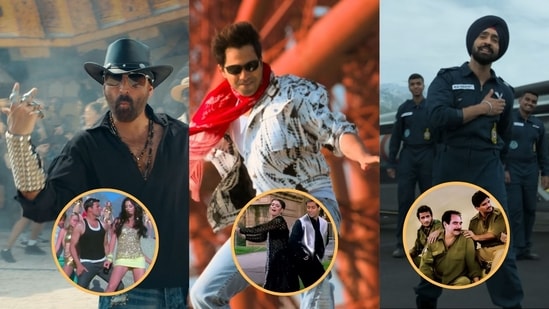
Among the notable examples of this burgeoning trend are recreations of iconic tracks such as “Chunnari Chunnari” from the 1999 film *Biwi No. 1*, and “Sandese Aate Hain,” originally featured in the 1997 war drama *Border*. Another significant instance includes the reimagining of “Uncha Lamba Kad,” which originally starred Akshay Kumar and Katrina Kaif in *Welcome* (2007) and has found a new iteration in *Welcome to the Jungle*. The practice also extends to earlier classics, exemplified by the reinterpretation of “Ramba Ho” from the 1981 film *Armaan*. These examples highlight the breadth of the remix phenomenon, spanning different eras and genres of Bollywood music.
The principal motivation behind this strategic shift is the desire to “fuel nostalgia.” By revisiting and updating beloved songs, filmmakers and music producers aim to connect with audiences on an emotional level, drawing on shared cultural memories and the affection people hold for past musical successes. This approach not only appeals to existing fans of the original tracks but also introduces these melodies to a new generation of listeners, bridging generational divides through familiar tunes. The power of nostalgia acts as a potent cultural currency, offering a perceived shortcut to audience engagement in a competitive entertainment landscape.
However, the widespread adoption of remixing is not without its complexities or its critics. The trend has ignited a lively and significant debate within the Hindi film industry, bringing together various key players to weigh in on its implications. Composers, who are the architects of original musical scores, often grapple with questions of creative integrity and the balance between innovation and homage. Their perspective frequently centers on the originality of new compositions versus the perceived reliance on past successes.
Singers, the voices that bring these melodies to life, also find themselves at the heart of this discussion. They navigate the challenge of rendering a familiar song in a fresh way while honoring the essence of the original performance. Concerns around artistic expression, the distinctiveness of a new rendition, and the preservation of the original artists’ legacy are central to their viewpoints. The performance of a remixed track often demands a unique blend of respect for the source material and the injection of contemporary artistic flair.
Furthermore, trade experts, those who analyze the commercial viability and market impact of entertainment trends, contribute a vital business perspective to the debate. Their input often focuses on the financial returns, audience reception, and long-term sustainability of relying on remixed content. While acknowledging the immediate commercial appeal and the lower risk associated with pre-tested melodies, they also consider the potential for creative stagnation and the industry’s capacity to produce truly original and groundbreaking music. The economic rationale often clashes with artistic considerations, making the debate multi-faceted.
The ongoing discourse among these diverse stakeholders suggests a dynamic tension between commercial imperatives and creative aspirations within Bollywood. While the allure of leveraging established popularity to guarantee audience engagement is strong, there is an equally compelling argument for nurturing original talent and fostering innovative musical expressions. This debate is not merely about specific songs but reflects broader questions about the cultural direction and artistic future of one of the world’s most prolific film industries. As the trend continues to evolve, so too will the conversations surrounding its impact on Bollywood’s musical identity and its legacy for future generations.
## Why This Matters
The increasing prevalence of remixed songs in Bollywood is more than just a musical fad; it reflects significant shifts in creative strategy, commercial decisions, and cultural consumption within one of the world’s largest film industries. For audiences, it means a continuous stream of familiar melodies, often presented with a modern sheen, potentially fostering a connection between different generations through shared musical heritage. However, it also raises questions about the industry’s commitment to originality and the cultivation of new, groundbreaking musical works.
For artists, particularly composers and singers, the trend poses a nuanced challenge. It offers opportunities to reinterpret classics and reach wider audiences, yet it also invites scrutiny regarding artistic innovation and the potential for new compositions to be overshadowed. The debate highlights the delicate balance between honoring a rich musical past and forging a path for future creative endeavors. Ultimately, how Bollywood navigates this remix trend will shape its artistic output, influence market dynamics, and define the sound of Indian cinema for years to come.
## Frequently Asked Questions
##What is the Bollywood remix trend?
The Bollywood remix trend involves the Hindi film industry increasingly taking classic songs and re-releasing them in contemporary versions for new films and projects. This process updates the original melodies and arrangements for a modern audience while leveraging the original’s popularity.
##Who is involved in the debate over remixes?
The debate surrounding the remix trend involves key figures within the Hindi film industry. This includes composers, who create original music; singers, who perform the songs; and trade experts, who analyze the commercial aspects and market impact of these musical choices.
##What is the primary motivation for remixing old songs?
The primary motivation behind the remix trend in Bollywood is to “fuel nostalgia.” By reintroducing popular older songs, the industry aims to tap into the emotional connection audiences have with these classics, drawing on shared cultural memories and ensuring a degree of audience engagement and familiarity.