The corridors of Bollywood are once again buzzing with a conversation that many veterans have been whispering about for years: the fundamental shift in industry dynamics. It all started with filmmaker David Dhawan’s intriguing remark about how the “chaal” (gait or way of being) of the industry has changed. Now, veteran actor Rakesh Bedi has not only echoed this sentiment but has delved deeper, suggesting that the very fabric of relationships within the entertainment world has transformed, moving from heartfelt emotional bonds to more calculated professional conveniences.
Bollywood’s Evolving Pulse
In an industry often romanticized for its tight-knit families and lifelong friendships, Dhawan’s comment struck a chord. The notion that “chaal change ho gayi” isn’t just about superficial changes; it points to a deeper recalibration of values, priorities, and how people interact. For an industry built on collaboration, trust, and often, personal rapport, such a statement from a seasoned director like Dhawan carries significant weight, sparking a dialogue about what Bollywood was, what it is, and where it might be headed.
The ‘Chaal’ That’s Changed
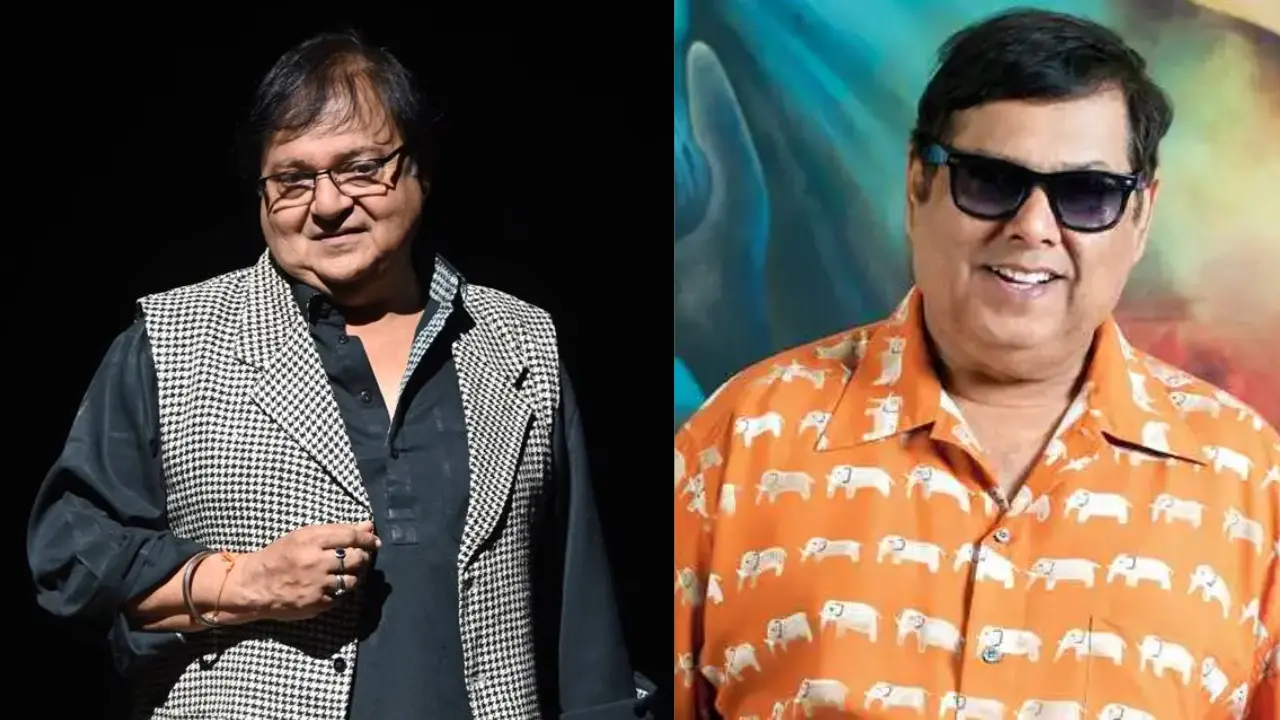
Rakesh Bedi, a familiar face across Indian cinema and television, didn’t hold back in his response. Speaking to ETimes, he emphatically agreed with Dhawan, asserting that “everyone’s chaal” has indeed changed. This isn’t an isolated phenomenon affecting just a few; it’s a widespread transformation. Bedi highlighted that these shifts in attitude and behaviour are often dictated by success, power, and, most notably, professional convenience.
In simpler terms, the unwritten rules of engagement have been rewritten. Where once a shared history or personal connection might have sealed a deal or guaranteed loyalty, today’s landscape appears to prioritize what benefits the individual project or career trajectory.
From Bonds to Balance Sheets?
Bedi’s insightful observation that “professional convenience has replaced emotional bonds” encapsulates a core tension in the modern entertainment industry. Traditionally, Bollywood was known for its deep-rooted relationships – directors working with the same actors for decades, music composers forming lasting partnerships, and production houses operating like extended families. These bonds often transcended mere professional obligations, fostering an environment of mutual trust, support, and creative synergy.
However, as the industry has grown more corporatized, competitive, and globally connected, the focus has increasingly shifted towards efficiency, profitability, and measurable outcomes. Projects are often driven by market demands, star power, and intricate contractual agreements, rather than solely by personal affiliations. This isn’t necessarily a negative development; it reflects the maturation of an industry becoming more structured and business-like. Yet, it inevitably alters the nature of personal interactions.
A Veteran’s Perspective
For actors like Rakesh Bedi, who have witnessed Bollywood’s evolution firsthand over several decades, this transition must be palpable. They’ve lived through an era where informal agreements, handshakes, and a strong sense of camaraderie were often enough. Today, the landscape is dotted with talent management agencies, intricate legal contracts, and complex PR strategies, all designed to streamline processes but perhaps inadvertently creating a professional distance.
Bedi’s upcoming project, ‘Dhurandhar 2’, places him squarely within this evolving industry. His continued work is a testament to his adaptability, yet his comments underline a reflective understanding of the changes around him. It speaks to a subtle sense of longing for a bygone era, even while acknowledging the practicalities of the present.
The New Age Equation
What does this shift mean for new talent entering Bollywood? They navigate a highly professionalized environment from the get-go. While emotional connections might still play a role, especially in initial networking, the longevity and depth of relationships are increasingly tied to professional success and mutual benefit. This can lead to a more meritocratic system, but it also places immense pressure on individuals to consistently deliver and adapt.
For filmmakers and producers, the challenge lies in balancing the need for professionalism and efficiency with the desire to foster a creative, collaborative spirit. Crafting compelling stories still requires a degree of human connection and trust, regardless of contractual obligations.
Navigating the Tides
The dialogue initiated by David Dhawan and elaborated by Rakesh Bedi isn’t about blaming individuals or lamenting the past. Instead, it’s a critical reflection on how an industry constantly reinvents itself. The “chaal” has indeed changed, and perhaps will continue to do so. The key for those within Bollywood is to understand these evolving equations, adapt to the new professional realities, and find ways to maintain genuine connections amidst the demands of a high-stakes business. It’s about recognizing that while the game has changed, the passion for storytelling and entertainment remains the driving force.
Why This Matters
This conversation offers a rare, candid glimpse into the inner workings and shifting values of one of the world’s largest film industries. It highlights the often-unseen human element behind the glitz and glamour, revealing the trade-offs between traditional emotional bonds and modern professional efficiency. For audiences, it provides context to the relationships (or lack thereof) they might perceive among their favourite stars and filmmakers, offering a deeper understanding of the forces shaping Bollywood today.