## Key Takeaways
– Sally Choi, art director for the successful horror film “Obsession,” publicly disclosed her earnings of $300 per day, totaling $6,741.36 after taxes.
– This compensation stands in stark contrast to the film’s reported budget of $750,000 and its projection to earn hundreds of millions globally.
– Choi’s revelation has sparked widespread online discussion regarding fair compensation, profit-sharing, and industry practices for behind-the-scenes crew members.
## Main Developments
A recent social media post by Sally Choi, the art director behind the unexpected horror hit “Obsession,” has rapidly gained traction online, drawing significant attention to the often-overlooked financial realities faced by many film crew members. Choi’s candid revelation about her remuneration for contributing to a globally successful picture has ignited a robust debate across the entertainment industry and among the public.
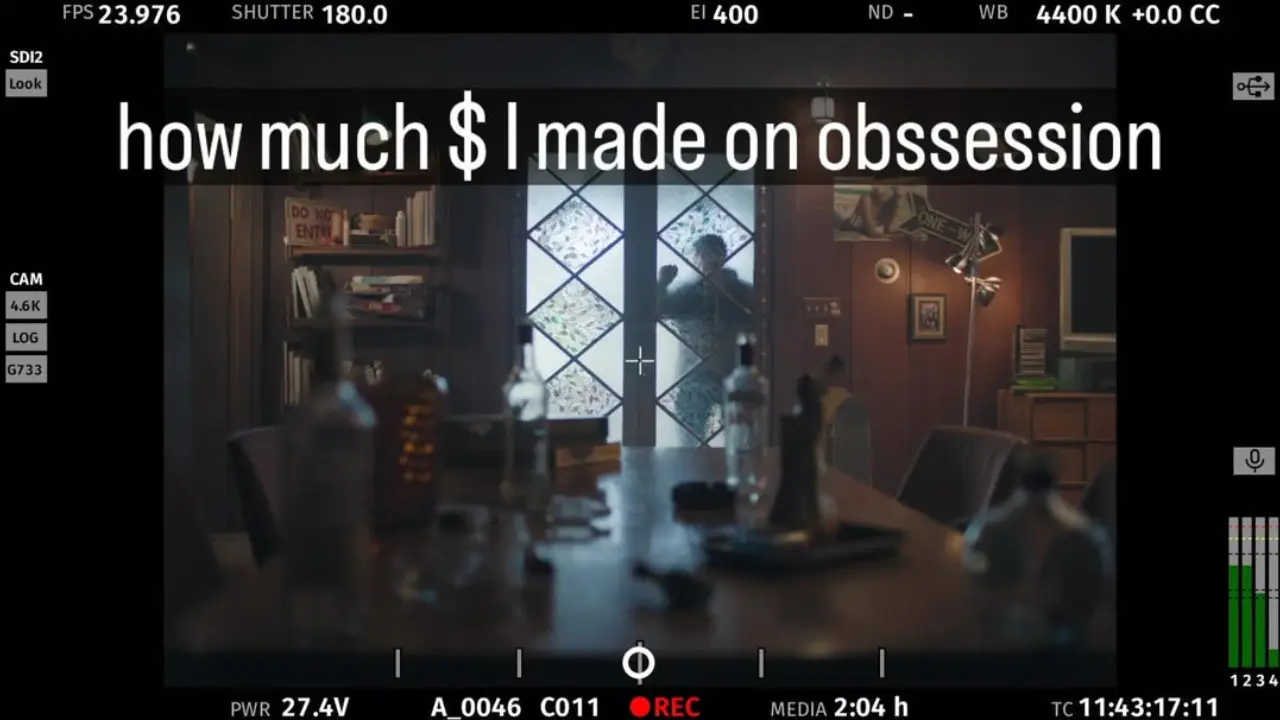
Choi stated in an Instagram post, as reported by TheWrap, that her daily rate for working on “Obsession” was $300 USD. After accounting for taxes, her total take-home pay for her work on the production amounted to $6,741.36. This figure, while representing a period of work, is now being critically examined when juxtaposed with the immense financial success of the film itself.
“Obsession,” produced on a reported budget of $750,000 USD, has defied expectations to become a significant box office success. Industry projections indicate the film is set to gross hundreds of millions of dollars globally. The disparity between the film’s modest initial investment and its subsequent massive profitability, versus the relatively low compensation received by key creative personnel like Choi, has become the focal point of the controversy.
The role of an art director is crucial in shaping the visual identity and atmosphere of a film, particularly within the horror genre where specific aesthetics and environmental details can profoundly impact audience experience. An art director is responsible for overseeing the creation of sets, props, and overall visual style, ensuring they align with the director’s vision. Choi’s contribution to “Obsession,” a film now celebrated for its success, underscores the vital creative labor that goes into a production. Her post also alluded to the demanding nature of the work, describing it as having taken a physical toll.
Choi’s decision to openly share her earnings has effectively pulled back the curtain on compensation structures that typically remain private. The viral nature of her post highlights the power of social media platforms in fostering transparency and empowering individuals within large industries to share their experiences. This public disclosure has given a concrete example to a long-standing, often whispered, conversation about fair treatment for those working behind the cameras.
The discussion sparked by Choi’s post extends beyond her individual case, encompassing broader questions about profit-sharing mechanisms within Hollywood. Many crew members, often referred to as ‘below-the-line’ talent, work on fixed rates or salaries, with little to no opportunity to partake in the backend profits of a film’s success, even when their creative contributions are integral to its appeal. This traditional model means that while producers, studios, and certain key talent may reap substantial financial rewards from a blockbuster, the vast majority of the crew who brought the vision to life do not.
The resulting debate centers on the concept of equitable compensation, urging a re-evaluation of how financial success is distributed among all contributors to a film. Critics argue that current industry practices often undervalue the extensive hours, specialized skills, and physical exertion required from crew members. Choi’s experience with “Obsession” serves as a compelling case study, prompting calls for greater transparency, revised contractual agreements, and compensation models that allow crew members to share in the prosperity of projects they help make successful.
## Why This Matters
This situation highlights a critical, ongoing discussion within the entertainment industry about equitable compensation for behind-the-scenes professionals. It brings into sharp focus the financial realities for many crew members whose skilled labor and dedication are fundamental to a film’s success, yet whose earnings often do not reflect the substantial profits generated by their work. For audiences, it provides insight into the economics of filmmaking beyond the glamorous facade, fostering a greater appreciation for the often-unseen workforce. For industry stakeholders, it serves as a powerful call for re-evaluating pay structures, exploring profit-sharing opportunities, and ensuring fair treatment across all levels of production.
## Frequently Asked Questions
###Who is Sally Choi?
Sally Choi is the art director for the successful horror film “Obsession.”
###What were Sally Choi’s earnings for her work on “Obsession”?
Sally Choi revealed she earned $300 USD per day for her work on “Obsession,” taking home $6,741.36 after taxes.
###What was the financial context of “Obsession” in relation to Choi’s pay?
“Obsession” was reportedly made on a budget of $750,000 USD and is projected to earn hundreds of millions at the global box office.