Hold onto your popcorn, Bollywood fans! The highly anticipated romantic drama, *Chand Mera Dil*, starring Ananya Panday and Lakshya, is already making waves – not just for its fresh pairing, but for what reportedly *won’t* be seen on screen. Ahead of its theatrical release, the film has faced significant intervention from the Central Board of Film Certification (CBFC), resulting in nearly 96 seconds of intimate scenes being edited out.
Censor Board’s Close Look at ‘Chand Mera Dil’
Reports from Mumbai confirm that *Chand Mera Dil* has undergone several changes at the behest of the CBFC. The board, often dubbed India’s cultural watchdog, has reportedly instructed the filmmakers to trim multiple intimate sequences, specifically targeting kissing scenes, before granting the movie its certification. This kind of scrutiny is not new to Bollywood, but the sheer volume of cuts in a romantic drama featuring popular young stars has certainly raised eyebrows.
The Cuts: A Detailed Look
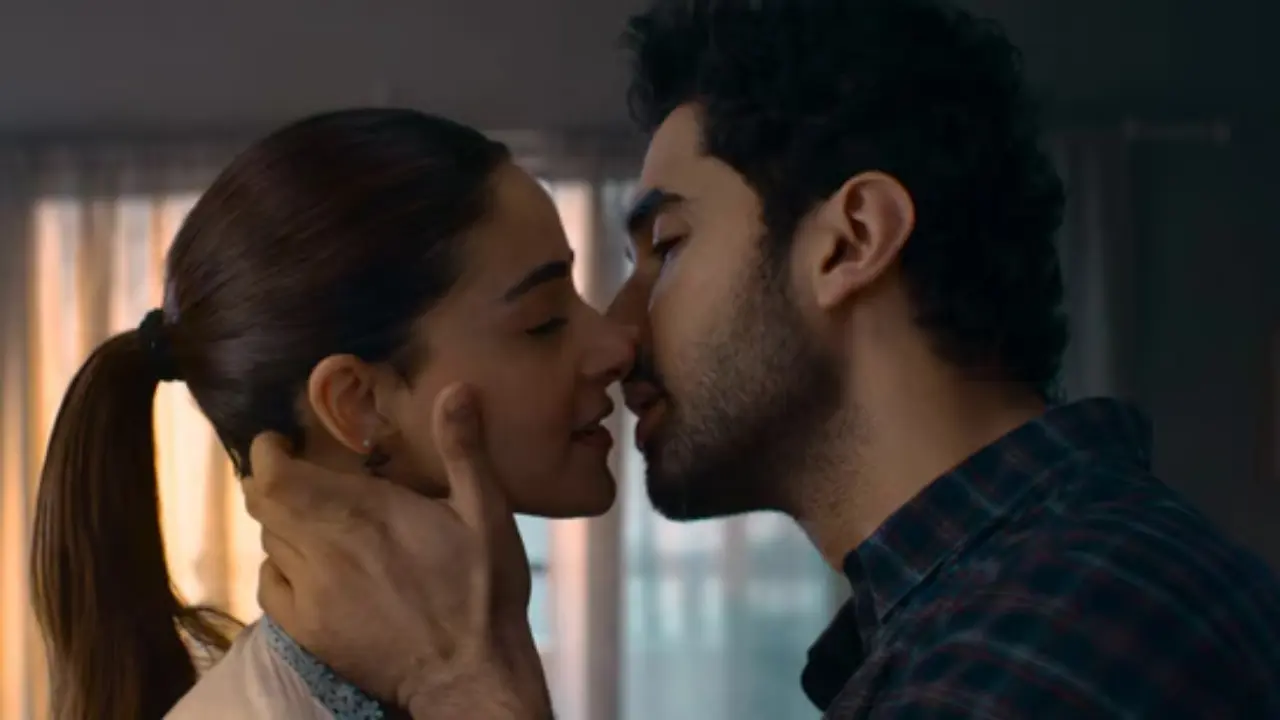
According to sources, the most notable cut involves a 10-second lip-lock sequence that the CBFC reportedly asked to be completely removed and replaced with alternate visuals. But that wasn’t all. An additional minute and 26 seconds of other lip-lock scenes were also reportedly deleted during the certification process. In total, a substantial 96 seconds of on-screen intimacy has been deemed unsuitable for the original cut, fundamentally altering the flow and perhaps the emotional impact of these moments.
U/A 16+ Certificate: What It Means
Despite these significant cuts, *Chand Mera Dil* has been granted a U/A 16+ certificate. For those unfamiliar, a U/A certificate implies that children below 12 years of age can watch the film with parental guidance. The “16+” addition, however, is a relatively newer category, signaling content that may be more mature or intense, making it primarily suitable for viewers aged 16 and above. This specific certification, even after such extensive cuts, suggests that the film likely still retains themes or visuals that the board believes warrant a more mature audience, or perhaps serves as a compromise for the scenes that *were* allowed to remain.
The Impact on Creative Vision
For filmmakers, navigating the CBFC’s guidelines can be a tightrope walk. A romantic drama, by its very nature, often relies on intimate moments to convey passion, vulnerability, and the evolving dynamics between characters. When nearly two minutes of such crucial scenes are removed, it can inevitably impact the director’s original vision and the narrative’s emotional arc. The challenge then becomes how to retain the essence of these moments with the remaining footage, ensuring the story still resonates with its intended depth.
A Recurring Debate in Indian Cinema
The censorship of intimate scenes is a long-standing and often contentious issue in Indian cinema. While the CBFC aims to balance artistic expression with cultural sensibilities, many critics and filmmakers argue that such heavy-handed cuts can stifle creativity and fail to reflect contemporary societal views, especially in a world increasingly connected by diverse global content. Audiences today are exposed to a wide array of international films and series, many of which portray intimacy more openly, leading to questions about the relevance and consistency of domestic censorship policies.
What Does This Mean for Ananya Panday and Lakshya?
For actors like Ananya Panday and Lakshya, who are part of the younger generation of Bollywood stars, such cuts can be a double-edged sword. On one hand, starring in a film that sparks discussion, even due to censorship, keeps them in the news cycle. On the other hand, it can be frustrating for performers whose craft includes portraying these intimate moments authentically. Neither actor has publicly commented on the cuts, and it remains to be seen how the edited version will ultimately be received by their fans and critics alike.
The Road Ahead for ‘Chand Mera Dil’
As *Chand Mera Dil* gears up for its release, all eyes will be on how the audience reacts to the film in its certified version. Will the story’s emotional core remain intact? Will the removed scenes affect its commercial performance? These are the questions that linger as the film navigates the complexities of Indian cinema’s regulatory landscape.
Why This Matters
This incident with *Chand Mera Dil* isn’t just about a few chopped scenes; it’s a snapshot of the ongoing tension between artistic freedom and censorship in India. It highlights the challenges filmmakers face in telling modern stories, and sparks crucial conversations about evolving audience expectations versus traditional moral guidelines. Understanding these dynamics helps us appreciate the intricate process behind bringing a film to the big screen and the broader cultural discussions it can ignite.