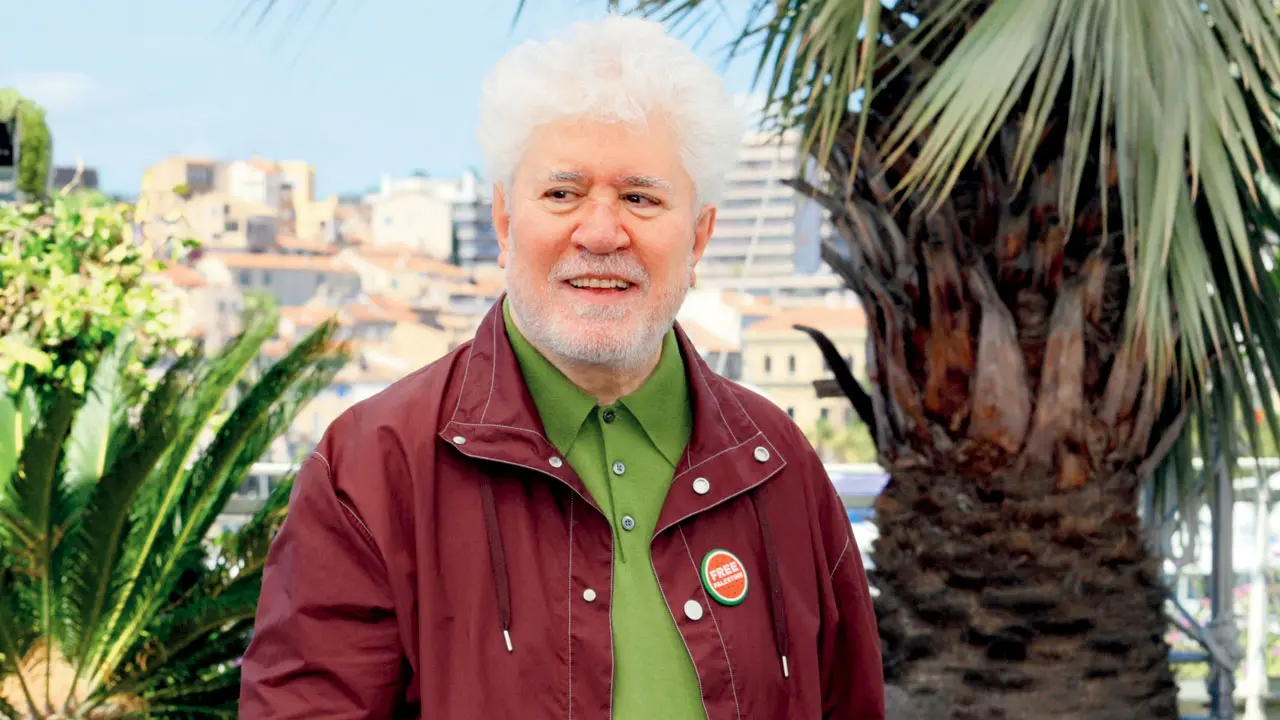
The glitz and glamour of the Cannes Film Festival are legendary, a glittering showcase where cinema’s brightest stars converge on the French Riviera. But sometimes, amidst the premieres and red-carpet parades, a different kind of star takes the stage to deliver a message that transcends the silver screen, echoing far beyond the Croisette. This year, it was legendary Spanish filmmaker Pedro Almodóvar who seized the moment, not just to promote his latest work, ‘Bitter Christmas,’ but to issue a powerful, impassioned plea for artistic freedom and to caution against the specter of a potential Trump presidency impacting Europe.
The Festival’s Echoing Stage
Cannes is more than just a film festival; it’s a global cultural crossroads, a barometer for the artistic and political climate. Directors, actors, and industry titans gather not only to celebrate storytelling but often to use their immense platforms to voice opinions on pressing global issues. For decades, it has been a place where art intersects with activism, where the power of cinema is amplified by the voices behind it. It was within this vibrant, often politically charged atmosphere that Almodóvar, a Palme d’Or nominee and an icon of European cinema, chose to make his latest remarks.
A Stand Against Censorship and Fear
Speaking at the press conference for ‘Bitter Christmas,’ Almodóvar first tackled a pervasive concern within the creative community: censorship. With an earnestness that resonated deeply, he stated, “This does affect us a lot.” His words cut through the usual promotional buzz, addressing the quiet anxieties many artists face globally regarding restrictions on expression and the chilling effect such fears can have on creativity. He didn’t just lament the situation; he urged his fellow artists not to give in to these pressures. It was a rallying cry for resilience, a reminder that the power of art lies in its ability to challenge, provoke, and reflect reality, free from intimidation. His message underscored the vital importance of an unhindered creative spirit in a world increasingly grappling with attempts to control narratives and artistic output.
Europe’s Shield: A Warning Against Trump
But Almodóvar’s pronouncements didn’t stop at artistic freedom. He then shifted his focus to a global political figure whose potential return to power has cast a long shadow across international relations: former U.S. President Donald Trump. With an emphatic declaration that drew a “rousing applause” from the international press corps, the filmmaker asserted, “Europe must never be subjected to Trump.”
This was not a casual remark. Coming from a European artistic heavyweight on such a prominent global stage, it carried significant weight. It reflected a deep-seated apprehension felt by many across the continent regarding the implications of a second Trump administration. For many Europeans, a Trump presidency signals a potential retreat from multilateralism, a weakening of alliances like NATO, and a more unpredictable geopolitical landscape. There are concerns about potential impacts on trade relations, climate policies, and even democratic norms, all of which could reverberate across European societies and economies.
Beyond the Screen: An Artist’s Political Voice
Almodóvar, known for his vibrant, often provocative, and deeply human films like ‘All About My Mother’ and ‘Talk to Her,’ has always infused his work with a distinctive social and political consciousness. His cinematic universe, rich with complex characters and taboo-breaking narratives, frequently explores themes of identity, desire, and societal marginalization. Given his consistent artistic commitment to challenging norms and championing individual freedoms, his direct political intervention at Cannes feels like a natural extension of his creative ethos. His voice, amplified by his artistic stature, becomes a powerful conduit for broader European anxieties.
The applause his statement received from the gathered journalists underscored a shared sentiment or, at the very least, an appreciation for his courage to speak so candidly on a highly contentious issue. In an era where celebrities often tread carefully around overtly political statements, Almodóvar’s willingness to articulate such a strong stance served as a powerful reminder of the role artists can play in shaping public discourse.
‘Bitter Christmas’ and the Bitter Realities
While details of Almodóvar’s new film, ‘Bitter Christmas,’ remain under wraps, its title coincidentally mirrors the underlying seriousness of his remarks. Whether the film itself carries overt political undertones is yet to be seen, but its premiere provided the perfect platform for the director to voice his concerns about the bitter realities facing both the arts and the global political order. His words serve as a potent reminder that for many, the world of cinema is inextricably linked to the wider world around it, reflecting its hopes, fears, and urgent calls to action.
Why This Matters
Pedro Almodóvar’s outspoken comments at Cannes highlight the increasingly blurred lines between art, culture, and global politics. His call for artists to resist censorship underscores the perpetual struggle for creative freedom, a cornerstone of democratic societies. Furthermore, his strong warning regarding a potential Trump presidency reflects significant anxieties across Europe about the future of international cooperation, democratic values, and geopolitical stability. When an artist of Almodóvar’s caliber uses such a prominent global stage, his words resonate not just within the film industry but across political and cultural landscapes, sparking conversation and underlining the profound influence art can have on public consciousness.