## Key Takeaways
– The Telugu film “Peddi,” starring Janhvi Kapoor and Ram Charan, has drawn criticism for allegedly hyper-sexualizing Kapoor’s character.
– Amid this backlash, veteran actor Ratna Pathak Shah’s past comments on actresses’ responsibility to speak out against objectification have resurfaced.
– Shah’s remarks also highlighted that an actress’s privilege often dictates their ability to decline roles perceived as objectifying.
## Main Developments
The portrayal of female characters in cinema, and specifically the issue of objectification, has once again become a central topic of discussion following the release of the Telugu film “Peddi.” The movie, featuring actors Ram Charan and Janhvi Kapoor, has garnered significant audience criticism, particularly concerning the depiction of Kapoor’s character. Viewers have accused the filmmakers of excessively sexualizing the female lead, suggesting this creative choice was primarily aimed at boosting the film’s commercial appeal rather than serving the narrative meaningfully.
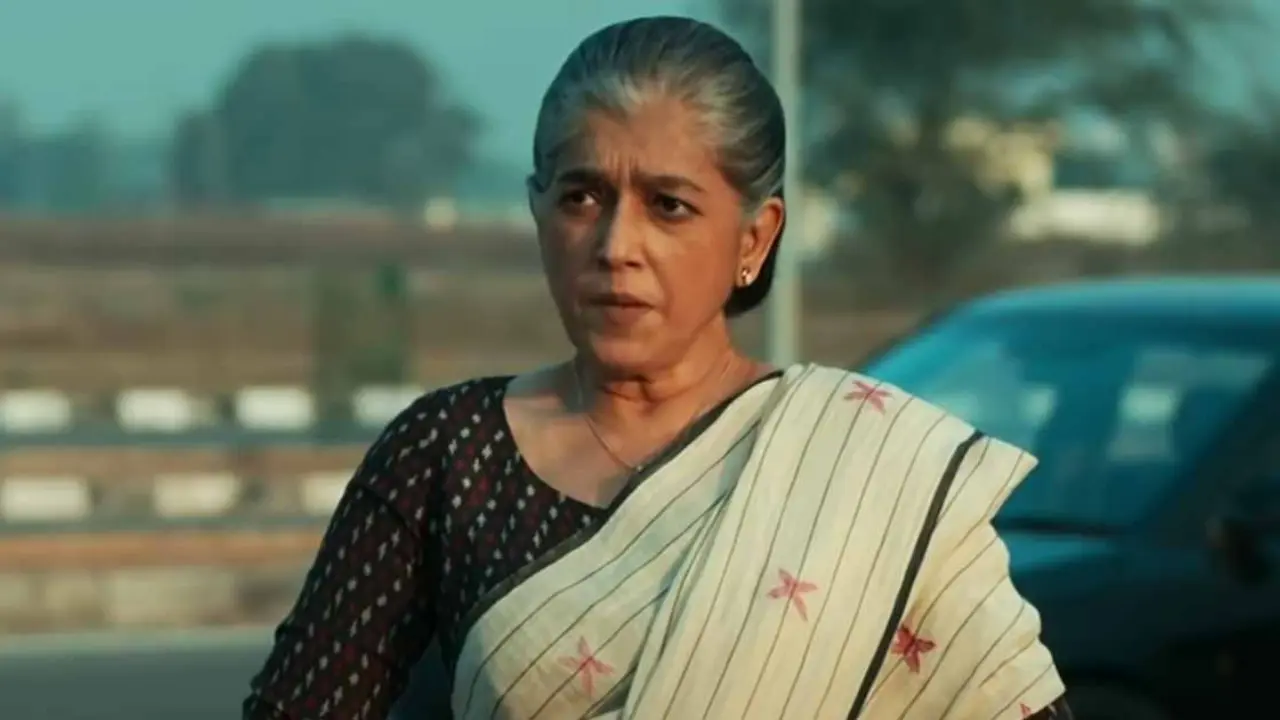
This renewed scrutiny of on-screen representation has inadvertently brought older remarks from veteran actor Ratna Pathak Shah back into the public eye. Shah’s comments, which address the crucial role of female actors in challenging objectification within the industry, have recirculated online, finding fresh resonance in the context of the “Peddi” controversy. Her original statements underscored a call for actresses to actively voice their dissent against roles that contribute to the hyper-sexualization of women.
A significant aspect of Ratna Pathak Shah’s resurfaced interview revolved around the acknowledgment of privilege. Shah had articulated that the ability of an actress to refuse certain roles, especially those deemed objectifying, is often directly tied to their individual standing and privilege within the film industry. This nuanced perspective suggests that not all actors possess the same autonomy or financial security to turn down lucrative projects, even if they personally object to the portrayal of their characters.
The critical reception of “Peddi” and the subsequent online discourse highlight an ongoing conversation about the ethical responsibilities of filmmakers and the agency of actors. Audiences are increasingly vocal about depictions that they perceive as exploitative or reductionist, particularly when it involves female characters. The controversy surrounding Janhvi Kapoor’s role underscores a broader societal demand for more thoughtful and respectful portrayals of women on screen.
Shah’s insights, initially shared at an earlier time, now serve as a pertinent commentary on the current industry landscape. Her emphasis on the disparity in power dynamics among actors, where some are more empowered by their privilege to make ethical choices regarding their roles, adds a layer of complexity to the discussion. It moves beyond a simple call to action and delves into the systemic factors that influence an actor’s decision-making process. The resurfacing of these remarks during the “Peddi” backlash suggests a collective grappling with these deeply entrenched issues within the entertainment sector.
The online conversation around these two events — the film’s release and Shah’s previous statements — indicates a growing consciousness among viewers and industry observers alike. It reflects a desire for a more progressive approach to character development and visual representation in cinema, pushing for narratives that empower rather than diminish female characters. The dialogue sparked by “Peddi” and amplified by Ratna Pathak Shah’s resurfaced comments contributes to an evolving standard for accountability in filmmaking.
This renewed focus on the challenges faced by actresses in navigating roles and demanding respectful portrayals illustrates the persistent nature of these issues. While there is a clear demand from audiences for change, the practicalities of an actress exercising her agency, as highlighted by Shah, remain a significant consideration. The controversy around “Peddi” thus becomes a case study, bringing theoretical discussions about objectification and privilege into sharp, current focus within the Indian film industry.
The debate is not merely about individual performances or specific films, but rather about the broader impact of cinematic choices on cultural perceptions and societal norms. As the backlash against “Peddi” continues, and Ratna Pathak Shah’s informed opinions gain traction once more, the industry is confronted with questions about its own practices and the extent to which it genuinely supports actors in making principled decisions about their careers and the characters they bring to life. This ongoing dialogue is crucial for fostering an environment where artistic expression can thrive without compromising on dignity and respect.
## Why This Matters
This situation matters because it brings critical industry issues—the hyper-sexualization of female characters and the agency of actors—into sharp public focus. The criticism directed at “Peddi” reflects evolving audience expectations for more responsible and respectful portrayals of women in cinema. When veteran actors like Ratna Pathak Shah articulate that an actress’s ability to decline objectifying roles is linked to their privilege, it highlights significant power imbalances within the film industry. This discussion prompts viewers and industry professionals to reconsider the responsibility of filmmakers in character development and the systemic factors that may limit an actor’s choices, fostering a broader conversation about ethical practices, creative integrity, and gender representation in entertainment.
## Frequently Asked Questions
##What is the controversy surrounding the film “Peddi”?
The film “Peddi,” starring Ram Charan and Janhvi Kapoor, has faced significant criticism from audiences. The main point of contention is the alleged hyper-sexualization of Janhvi Kapoor’s character, which viewers believe was done primarily to boost the film’s commercial appeal.
##Why have Ratna Pathak Shah’s comments resurfaced?
Ratna Pathak Shah’s older remarks about actresses’ responsibility to speak out against objectification have resurfaced online amid the ongoing controversy and backlash surrounding the portrayal of Janhvi Kapoor’s character in “Peddi.” Her comments are seen as highly relevant to the current discussion.
##What specific point did Ratna Pathak Shah make regarding actresses and objectification?
Ratna Pathak Shah emphasized that while actresses should speak up against objectification, their ability to reject such roles is often determined by their “privilege” within the film industry. This suggests that not all actresses have the same leverage or financial stability to turn down roles they might find objectionable.