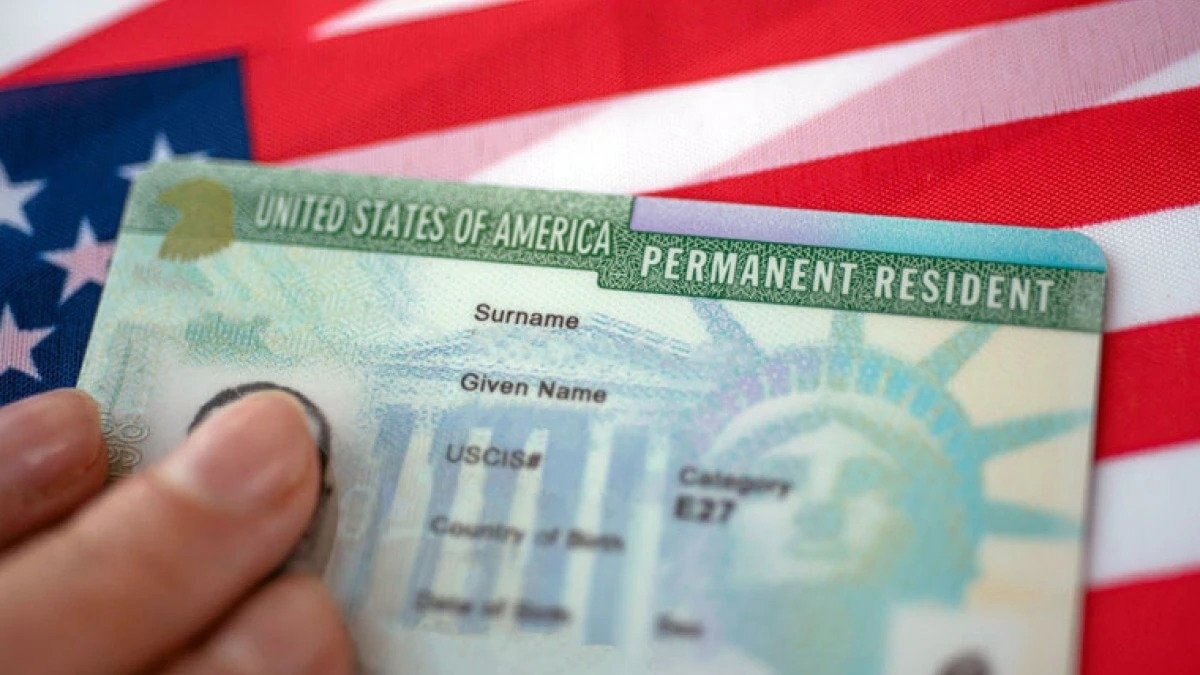
Remember the days when getting your Green Card might mean staying put in the U.S. while your application processed? Well, the Trump administration aimed to change that in a big way, signaling what it called the “end of an era” for certain immigration practices. This wasn’t just a tweak; it was a significant shift that could have countless individuals packing their bags and heading home – temporarily – to secure their permanent residency.
The Policy Shift Explained
At the heart of this change was Section 245(a) of the Immigration and Nationality Act. Historically, this provision offered a pathway for certain eligible nonimmigrants already in the United States to “adjust” their status to permanent resident (Green Card holder) without having to leave the country. Think of it as an administrative shortcut, allowing folks to transition smoothly from a temporary visa to a long-term one, all while remaining on American soil.
However, the Trump administration, through the U.S. Citizenship and Immigration Services (USCIS), unveiled a reinterpretation that effectively closed this domestic pathway for many. Under the new directive, USCIS officers were instructed to view the transition from temporary nonimmigrant status to immigrant status as a process that should “generally happen outside the United States.” This marked a clear break from previous interpretations and set a new expectation for how these applications would be handled.
The “Loophole” Debate
The administration framed this move as an effort to close a “loophole” in the immigration system. From their perspective, allowing individuals to remain in the U.S. while applying for a Green Card after their temporary status expired, or if there were questions about their original intent upon entry, undermined the integrity of immigration laws. The language used was stark: “The era of abusing the immigration system is over.” This rhetoric positioned the policy change as a necessary measure to restore order and ensure compliance.
For those navigating the complex world of immigration, however, the term “loophole” often felt like a mischaracterization. Many saw the previous process not as an abuse, but as a practical, lawful mechanism designed to accommodate individuals who had established lives, families, and jobs in the U.S. while pursuing a legitimate path to permanent residency.
Leaving to Stay: The Human Impact
What did this mean for individuals hoping to get their Green Card? In practical terms, it implied a significant upheaval. Instead of filing paperwork and attending interviews locally, many would now face the daunting prospect of returning to their home countries. This isn’t just a matter of booking a flight; it involves leaving jobs, separating from families, potentially incurring significant travel and legal costs, and navigating the often-slow and unpredictable consular processing systems abroad.
Imagine building a life, settling into a community, having children enrolled in local schools, and then being told that to complete a lawful process, you must uproot everything and return to a country you may have left years ago. This policy change undoubtedly added layers of stress, uncertainty, and logistical nightmares for countless applicants and their families.
Case-by-Case Considerations
While the new guidance pushed for applications to generally occur outside the U.S., it wasn’t an absolute, blanket rule. Immigration officers were also instructed to evaluate requests on a case-by-case basis. This meant weighing “all relevant factors” before granting administrative relief, allowing someone to adjust their status domestically.
This “case-by-case” clause, while offering a glimmer of hope, also introduced an element of unpredictability. What constituted “relevant factors”? How much discretion would individual officers have? And would the general directive to process applications abroad outweigh compelling personal circumstances? These questions added to the anxiety surrounding the policy, as outcomes could vary widely depending on the specifics of each situation and the interpretation of the officer.
Why This Matters
This policy shift from the Trump administration served as a powerful reminder of how quickly and dramatically immigration laws and their interpretations can change. It underscored the significant impact executive actions can have on the lives of individuals, families, and communities. While framed by the administration as a necessary measure to secure borders and streamline processes, for many immigrants, it created new hurdles and anxieties on their journey toward building a permanent life in the United States. Such policy changes continue to shape debates around immigration reform and the balance between national security and humanitarian concerns.