## Key Takeaways
– K Annamalai has resigned from the BJP, a decision accepted by party chief Nitin Nabin.
– The resignation follows a period of significant speculation regarding his departure from the party.
– BJP leadership had made efforts to convince Annamalai to reconsider his exit, reflecting his perceived importance.
## Main Developments
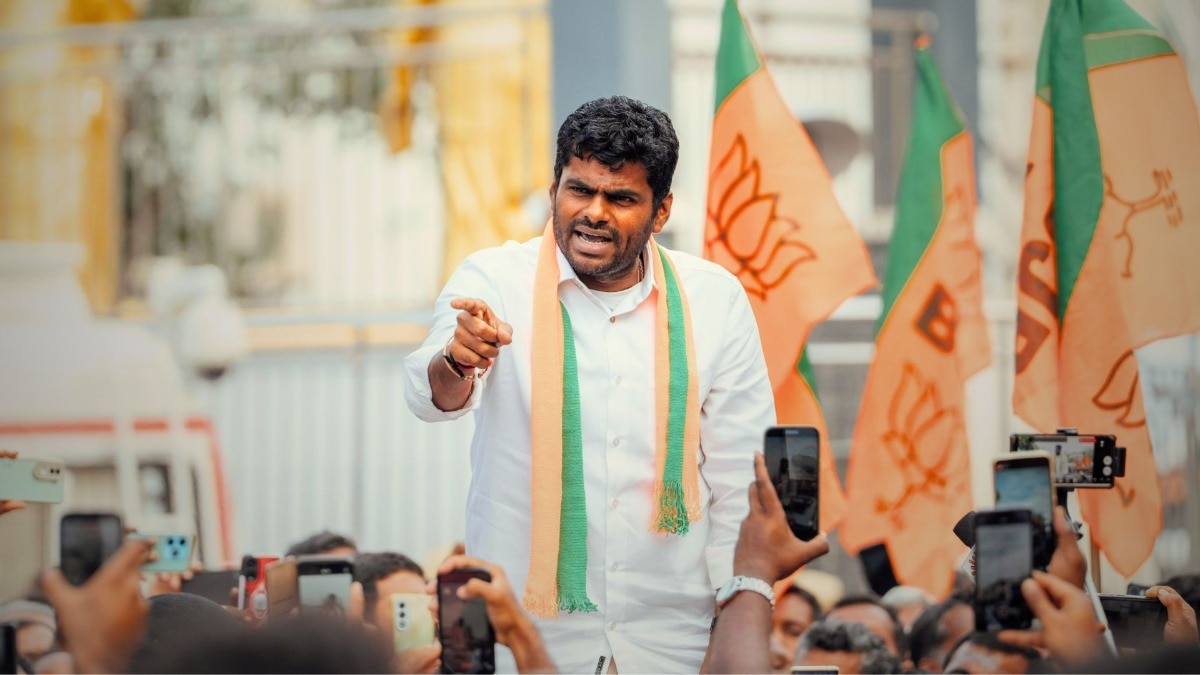
K Annamalai, formerly the Tamil Nadu state unit president, has resigned from the Bharatiya Janata Party (BJP), bringing an end to widespread speculation about his future within the political organization. The party’s chief, Nitin Nabin, formally accepted Annamalai’s resignation, confirming the departure despite earlier attempts by the leadership to persuade him to remain.
The move concludes days of intense conjecture surrounding Annamalai’s potential exit, a period often characterized by internal discussions and uncertainty within political circles. Such speculation frequently precedes significant changes in party leadership, particularly at the state level, where key figures play a crucial role in shaping regional strategies and public perception.
Sources within the party indicated that the BJP leadership had harbored hopes that Annamalai might be convinced to withdraw his resignation. These efforts underscore the perceived value of Annamalai’s contributions to the party, particularly in a key southern state like Tamil Nadu. The decision to accept his resignation, therefore, marks a notable moment for the BJP’s organizational structure and its operations in the region.
The role of a state unit president is pivotal within any national political party. Such a position involves overseeing party activities at the state level, coordinating electoral campaigns, engaging with local communities, and acting as a primary liaison between the state cadre and the national leadership. These leaders are instrumental in formulating strategies tailored to regional demographics and political landscapes, making their tenure and departure significant events. Annamalai’s position as the former Tamil Nadu state unit president thus carried substantial weight for the BJP’s ambitions in the state.
Political departures of this nature often emerge from complex internal dynamics, strategic differences, or personal considerations that accumulate over time. While the specific reasons for Annamalai’s decision have not been detailed, the backdrop of “intense speculation” suggests a period of deliberation and internal dialogue that ultimately led to his resignation. The party leadership’s proactive engagement in trying to dissuade him further highlights the strategic importance they attached to his continued involvement.
The acceptance of a high-profile resignation by the party chief, Nitin Nabin, signifies the formal conclusion of Annamalai’s tenure. This act, coming after concerted efforts to retain him, indicates a finality in the decision-making process, moving past the phase of persuasion and into the implementation of a leadership transition. Such moments invariably prompt reflection within a party on its future direction and regional leadership composition.
For political parties, retaining key figures, especially those who have held significant state-level leadership roles, is often a priority. This is because state presidents are frequently seen as vital connectors to the grassroots, embodying the party’s presence and appeal in their respective regions. Their leadership can influence voter mobilization, fundraising, and the overall narrative projected by the party in local contexts. Therefore, the failure to persuade Annamalai to remain suggests either an unresolvable difference or a firm personal decision that the party ultimately had to respect.
The BJP’s efforts to keep Annamalai within its ranks also point to a recognition of his profile and potential influence. In the intricate tapestry of Indian politics, leaders with a strong regional base or a particular appeal can be instrumental in expanding a party’s footprint. The party’s initial hope that he might reconsider his decision underscores a desire to avoid a leadership void or disruption in its state operations. However, with the formal acceptance, the focus will now undoubtedly shift to identifying new leadership and consolidating the party’s position in Tamil Nadu without his direct stewardship.
Such changes in leadership inevitably trigger a phase of adjustment within the party organization. Members and cadres at various levels adapt to new directives, leadership styles, and strategic priorities. For the BJP in Tamil Nadu, a state where political dynamics are often distinct from other parts of the country, this transition will be closely watched. The effectiveness of the new leadership in rallying support and navigating the local political environment will be crucial for the party’s future performance.
The announcement, updated on June 5, 2026, marks a clear inflection point in the BJP’s organizational journey. It signals not just the departure of an individual but potentially a recalibration of strategies and leadership within a critical state unit. The implications of such a high-profile exit ripple through the party structure, affecting morale, strategic planning, and public relations.
In political journalism, events like these are scrutinised for what they reveal about a party’s internal health, its ability to manage dissent or personal decisions, and its future trajectory. Annamalai’s resignation, following a period of intense speculation and unfulfilled efforts to retain him, provides a clear example of such a moment where internal party dynamics come to the forefront of public attention.
## Why This Matters
The resignation of a state unit president, particularly after strong efforts by the party leadership to retain them, signals significant shifts in a political party’s internal landscape. For readers, this matters because it impacts the stability and strategic direction of a major political entity. High-profile departures can affect a party’s regional influence, its ability to connect with voters, and its overall organizational strength. In the context of the BJP, the exit of its Tamil Nadu state unit president, K Annamalai, after the party chief, Nitin Nabin, accepted his resignation despite previous persuasion attempts, suggests a potentially challenging transition for the party in a key southern state. Such events often lead to questions about future leadership, party unity, and electoral prospects in the affected region, influencing the broader political narrative and potentially shaping future policy and governance.
## Frequently Asked Questions
Who recently resigned from the BJP?
K Annamalai, the former Tamil Nadu state unit president, recently resigned from the BJP.
Was his resignation accepted by the party leadership?
Yes, his resignation was formally accepted by BJP party chief Nitin Nabin.
Did the BJP leadership attempt to convince K Annamalai to stay?
Yes, party sources indicated that the BJP leadership made efforts and remained hopeful that Annamalai could be persuaded to reconsider his decision.