India’s External Affairs Minister S Jaishankar criticized US tariffs on Indian Russian oil purchases, calling them unprincipled and driven by convenience.
## Key Takeaways
– External Affairs Minister S Jaishankar questioned the US stance on tariffs for India’s Russian oil imports.
– He argued that US penalization lacks a “grand principle” and is based on convenience.
– India significantly increased Russian oil purchases only from 2022 due to specific circumstances and favorable terms.
## Main Developments
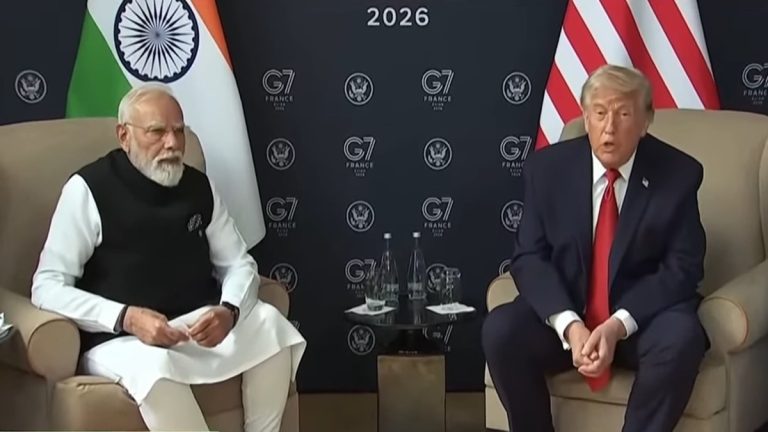
External Affairs Minister S Jaishankar recently delivered sharp criticism regarding the United States’ approach to tariffs on countries, specifically referencing India’s acquisition of Russian oil. He contended that there was no overarching “grand principle” behind the US actions.
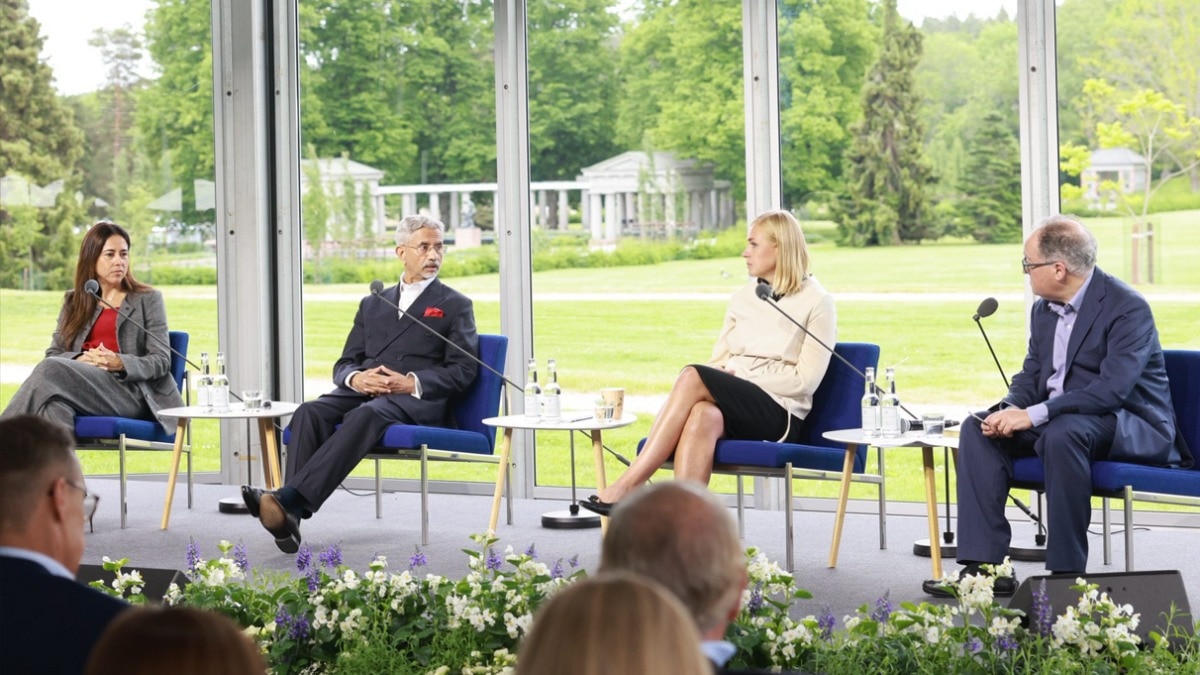
Jaishankar asserted that the United States should not penalize nations simply when their actions do not align with US interests. These remarks were made during a discussion on “Emerging Powers and the New Geopolitical Competition” at the 14th edition of the Kultaranta Talks in Finland.
He clarified that India did not procure significant quantities of Russian oil until 2022. India’s increased purchases began at that point due to compelling circumstances.
Jaishankar noted that Russian suppliers have consistently provided oil. He highlighted that Russian oil is both reasonably priced and readily available to India.
## What Next
The broader international dialogue on “Emerging Powers and the New Geopolitical Competition,” within which these statements were made, is an ongoing global discussion. Such diplomatic exchanges are expected to continue shaping perspectives on energy security and trade policies.
These remarks by a high-ranking Indian official will likely inform future bilateral and multilateral discussions. They underscore persistent differences in geopolitical and economic strategies between major nations.
## Why This Matters
This development highlights India’s assertive stance on its independent foreign policy, particularly concerning energy security and procurement. It demonstrates India’s refusal to be dictated by external pressures when making sovereign economic decisions.
The statement also brings to light the underlying tensions in international relations regarding trade penalties and national interests. It suggests that major powers may hold differing interpretations of global principles, especially when economic and geopolitical rivalries are at play.
For readers, it illustrates the complex challenges nations face in balancing energy needs, economic viability, and evolving global political landscapes.
## Frequently Asked Questions
### Who made the recent comments regarding US tariffs on Russian oil?
External Affairs Minister S Jaishankar made the statements. He spoke at the 14th edition of the Kultaranta Talks in Finland during a discussion focused on geopolitics.
### What was the core of Jaishankar’s criticism?
He criticized the US for applying tariffs based on convenience rather than any “grand principle.” Jaishankar argued that countries should not face penalties simply because their actions do not suit US interests.
### Why did India increase its purchases of Russian oil?
India began buying significant amounts of Russian oil from 2022, driven by specific circumstances. Russian oil was considered reasonable in price and consistently available from its suppliers.