## Key Takeaways
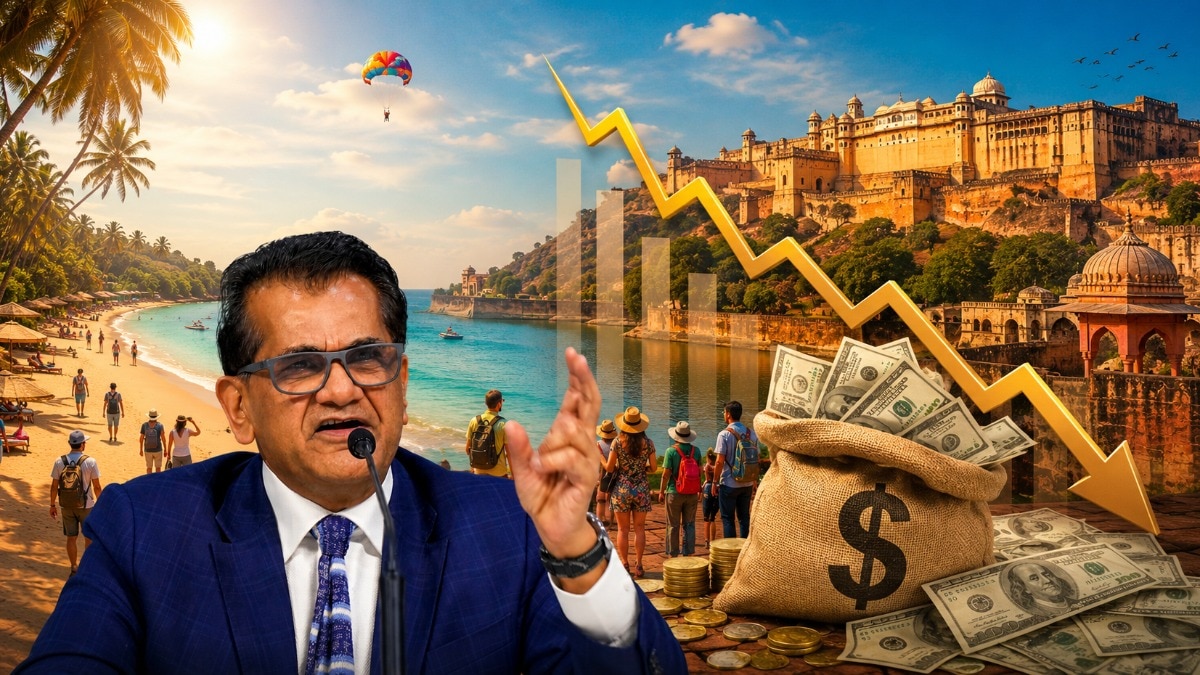
– India is reportedly losing billions in potential tourism revenue due to a significant reduction in its overseas marketing budget.
– Former NITI Aayog CEO Amitabh Kant emphasized tourism’s role as a rapid generator of foreign exchange and large-scale employment.
– Foreign tourists contribute substantially more to India’s GDP per visit, approximately $3,000, compared to about $75 from domestic travelers.
## Main Developments
India’s economy is reportedly missing out on billions of dollars in tourism earnings, a shortfall attributed primarily to a drastic cut in the nation’s overseas tourism marketing efforts. Amitabh Kant, formerly the CEO of NITI Aayog, highlighted this issue, pointing out that the marketing budget for promoting India as a global tourist destination has been reduced to almost zero over the past four years. This decision has directly impacted the arrival numbers of international visitors.
Kant stressed the critical importance of tourism, particularly in the current global economic climate marked by instability, including ongoing conflicts in West Asia. He argued that the tourism sector offers one of the most efficient pathways for a country to acquire foreign exchange and create jobs on a significant scale. This makes the recent decline in marketing investment particularly concerning.
A stark contrast exists between the economic contributions of foreign and domestic tourists. According to Kant, a foreign tourist visiting India typically contributes around $3,000 to the nation’s Gross Domestic Product (GDP) during their stay. In comparison, a domestic traveler contributes approximately $75 per visit. This substantial difference underscores the economic leverage that international tourism provides, not only through direct spending but also by stimulating various related industries.
The reduction in overseas marketing has evidently led to a decrease in foreign tourist arrivals. With India largely absent from global tourism promotion campaigns, potential international visitors are less aware of the country’s offerings, leading them to choose other destinations that actively market themselves. This reduced visibility on the global stage consequently translates into lost revenue opportunities that could otherwise benefit the Indian economy and its workforce.
Kant’s observations were detailed in an opinion piece published in The Economic Times. His comments bring to light a significant economic strategy gap, especially given tourism’s proven capacity to boost local economies, foster cultural exchange, and generate employment across a wide spectrum of services, from hospitality and transportation to local crafts and guided tours. The former NITI Aayog CEO’s remarks underscore an urgent need to re-evaluate India’s approach to global tourism promotion to capitalize on its vast potential.
## Why This Matters
The decline in foreign tourist arrivals, directly linked to a near-zero overseas marketing budget, represents a substantial economic setback for India. The former NITI Aayog CEO, Amitabh Kant, points out that tourism is not merely about leisure; it is a powerful engine for economic growth, capable of generating foreign exchange rapidly and creating a multitude of jobs across diverse sectors, from hotels and transportation to local artisans and service providers. The significant disparity in economic contribution—$3,000 from a foreign tourist versus $75 from a domestic one—illustrates the immense value international visitors bring to the GDP. Losing out on these billions means foregoing critical foreign currency reserves and hindering large-scale job creation, especially in times of global economic uncertainty. This situation impacts national development, limits opportunities for citizens, and prevents India from fully realizing its potential as a prime global destination.
## Frequently Asked Questions
###Who has highlighted India’s missed tourism revenue?
Former NITI Aayog CEO Amitabh Kant brought attention to the issue of India losing billions in potential tourism revenue.
###What is the primary reason cited for the decline in foreign tourist arrivals?
The main reason identified is the significant cut in India’s overseas tourism marketing budget, which has been reduced to near-zero over the last four years.
###What is the economic difference between a foreign and domestic tourist’s contribution to India’s GDP?
A foreign tourist contributes approximately $3,000 to India’s GDP per visit, while a domestic traveler contributes about $75.