
## Key Takeaways
– India officially launched E85 fuel on June 5, 2026, starting with 48 public-sector stations.
– Union Minister Hardeep Singh Puri inaugurated E85, marking a new phase in the nation’s biofuel strategy.
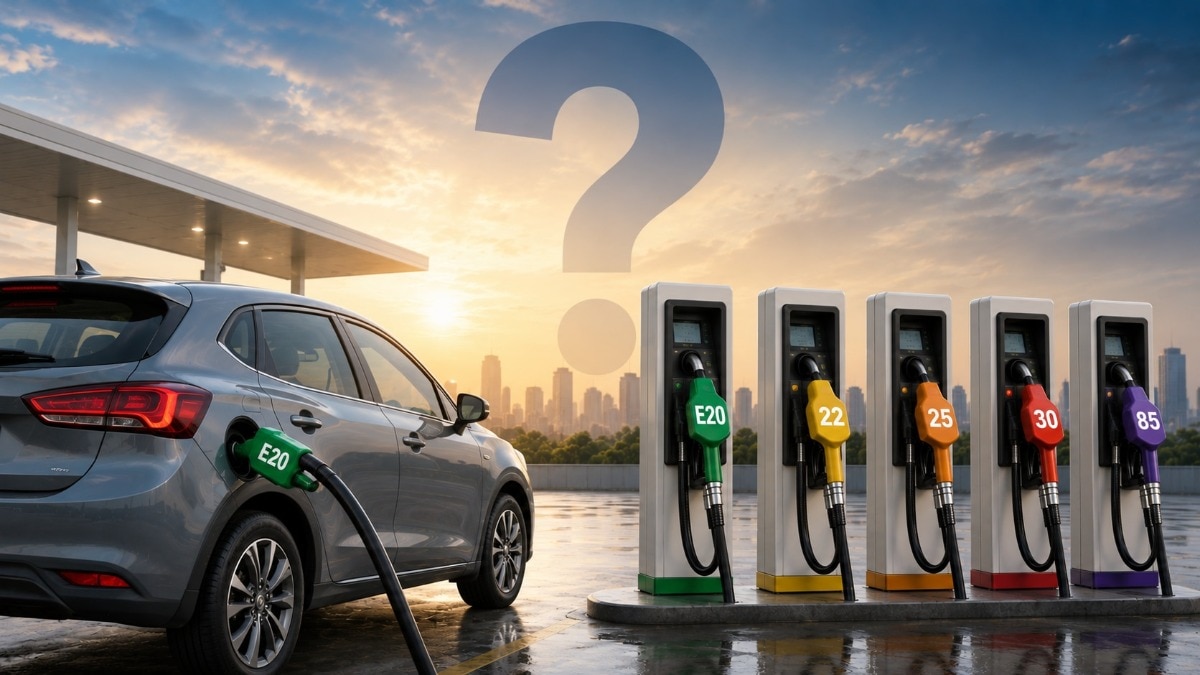
– The introduction of E85 sparked questions among vehicle owners about the long-term status of E20-compatible vehicles, which remain the standard.
## Main Developments
India’s journey towards sustainable energy solutions has taken a significant step forward with the formal introduction of E85 fuel. On June 5, 2026, a date intentionally aligned with World Environment Day, Union Petroleum and Natural Gas Minister Hardeep Singh Puri officially launched the new ethanol-blended fuel at select stations nationwide. This development signals an evolving landscape for automotive fuels in the country, building on previous advancements in biofuel integration.
The initial rollout sees E85 fuel becoming available at 48 public-sector fuel stations. This launch is, however, merely the first phase of an ambitious expansion strategy. The government has laid out clear targets for broader availability, aiming to increase the number of E85 outlets to 500 by the close of 2026. Looking further ahead, plans project a substantial leap to approximately 5,000 stations offering E85 by the end of 2027, indicating a strong commitment to its widespread adoption.
This new phase in India’s biofuel program follows closely on the heels of the nationwide implementation of E20 fuel. The introduction of E20, a blend containing 20 percent ethanol, was heralded as one of the country’s most significant achievements in the biofuel sector. Its rollout established a crucial precedent for higher ethanol blends and integrated them into the national fuel infrastructure. For a considerable period, E20 has served as the standard fuel for the vast majority of vehicles traversing Indian roads, becoming a familiar and expected option for motorists.
The arrival of E85, which denotes an even higher concentration of ethanol in the fuel blend, has naturally prompted a critical discussion among vehicle owners. The announcement from Minister Puri immediately sparked widespread questions regarding the implications for existing vehicles. Millions of motorists across the country began to ponder what the future holds for their cars, particularly those engineered and currently compatible exclusively with E20 fuel. The central query that gained momentum revolved around whether the progressive push towards E85 would in any way alter the viability, availability, or operational longevity of vehicles designed for the E20 standard.
As India continues to navigate its energy transition, these developments underscore a strategic pivot towards biofuels. The government’s consistent efforts to introduce and expand the availability of ethanol-blended fuels highlight a sustained focus on reducing reliance on conventional fossil fuels. This approach is intrinsically linked to broader objectives of energy security, import bill reduction, and environmental sustainability. The staged rollout of E85, alongside the established presence of E20, suggests a carefully considered pathway for integrating these alternative fuels into the national transportation ecosystem. The discussions initiated by the E85 launch reflect a public keen to understand how these policy shifts will translate into tangible impacts on their daily lives and transportation choices.
## Why This Matters
The introduction of E85 fuel marks a pivotal moment for India’s energy future and directly impacts millions of vehicle owners. For consumers, the emergence of a new, higher ethanol blend fuel raises critical questions about vehicle compatibility, future fuel availability, and potential financial implications for their current E20-compatible automobiles. This move signifies India’s commitment to diversifying its energy basket and reducing dependence on imported crude oil, potentially strengthening national energy security and stabilising fuel prices in the long run. Environmentally, the expansion of biofuels like E85 aligns with global efforts to reduce carbon emissions and combat climate change, offering a cleaner burning alternative to traditional petrol. The rapid expansion plans for E85 infrastructure also signal a significant shift in the retail fuel landscape, necessitating adjustments from both the automotive industry and the fuel distribution sector.
## Frequently Asked Questions
##Question 1?
When was E85 fuel officially launched in India?
Answer 1
E85 fuel was officially launched on June 5, 2026, coinciding with World Environment Day.
##Question 2?
Who formally launched the E85 fuel?
Answer 2
Union Petroleum and Natural Gas Minister Hardeep Singh Puri formally launched E85 fuel.
##Question 3?
What are the expansion plans for E85 fuel stations across India?
Answer 3
E85 fuel is initially available at 48 public-sector fuel stations. Plans are in place to expand this to 500 outlets by the end of 2026 and further to approximately 5,000 outlets by the end of 2027.