
## Key Takeaways
– Affordable housing in India has seen a significant 20% reduction over the past two years, contrasting with overall real estate growth.
– Niranjan Hiranandani, a veteran real estate developer, warns that the “bottom of the pyramid” housing segment is shrinking for the first time in his career.
– Despite this specific downturn, the broader Indian housing market remains robust and is not comparable to the 2008 global financial crisis.
## Main Developments
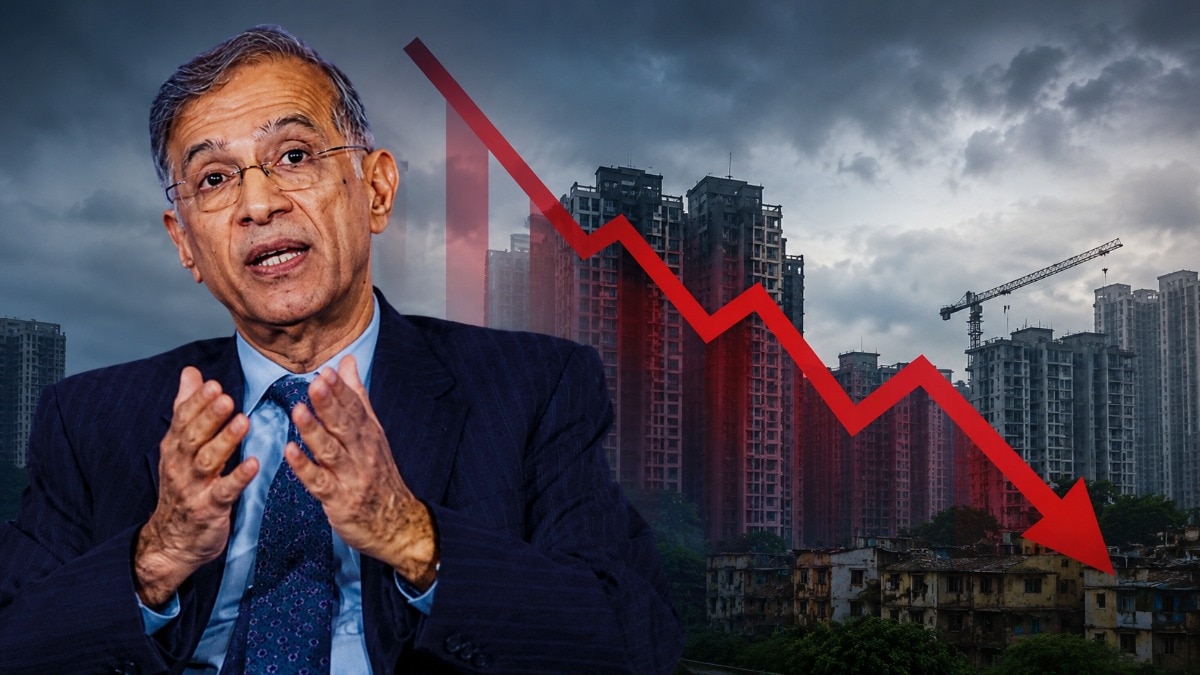
Niranjan Hiranandani, Co-Founder and Managing Director of the Hiranandani Group, has voiced significant concern over the state of affordable housing in India. According to Hiranandani, this crucial segment of the property market has experienced a substantial 20% decline over the past two years, or 24 months. He highlighted this alarming trend during an appearance on The Neha Nagar Show, underscoring it as the primary worry within India’s otherwise dynamic real estate landscape.
Hiranandani, drawing upon more than four decades of experience in the real estate sector, described the current situation as unprecedented. He stated that in his 40-plus years in the industry, he has never witnessed a period where the “bottom of the pyramid” segment—a term often used to refer to the lower-income demographic and, by extension, affordable housing—is not only failing to grow but is actively contracting. He emphasized that a 20% fall in this sector is a significant and worrying development.
Despite these specific challenges in affordable housing, Hiranandani provided a broader perspective on the health of the Indian real estate market. He clarified that the overall housing market continues on a positive growth trajectory. This general market strength, he noted, should not be conflated with the issues affecting the affordable segment. He explicitly stated that the current market conditions bear no resemblance to the global financial crisis of 2008, which severely impacted property markets worldwide.
The veteran developer further explained that real estate is inherently a cyclical business, characterized by periods of both ascent and decline. However, the specific contraction observed at the base of the housing market is a distinct issue that warrants close attention. His remarks indicate a bifurcated market, where premium and mid-segment housing may continue to thrive, while the most accessible forms of housing face considerable headwinds.
Hiranandani’s insights come from a long and distinguished career spanning approximately 45 years in the real estate industry. His perspective is rooted in observing multiple market cycles, making his current assessment of the affordable housing segment particularly impactful. The concern he has raised highlights a growing disparity within the property market, where robust demand in some areas masks a significant contraction in another vital component. The implications of a shrinking affordable housing supply for a country like India, with its vast population and diverse income groups, are considerable, pointing to a potential imbalance in housing accessibility. His comments signal a need for stakeholders to closely monitor and address the factors contributing to this decline.
## Why This Matters
The sharp 20% decline in India’s affordable housing sector, as reported by a seasoned industry leader like Niranjan Hiranandani, holds significant implications for the nation’s property market and its socio-economic fabric. A shrinking supply in the “bottom of the pyramid” segment suggests that housing options for lower-income groups are becoming scarcer, potentially exacerbating affordability challenges for a large portion of the population. This trend could lead to increased pressure on existing affordable housing stock or push more people into informal housing arrangements.
From an economic perspective, while the broader real estate market shows growth, the contraction in affordable housing indicates an imbalance that could hinder inclusive development. A healthy real estate sector typically includes robust growth across all segments to cater to diverse needs. The current situation suggests that market dynamics might be favoring higher-value properties, leaving a crucial segment undersupplied. This could impact not only the quality of life for many citizens but also broader economic stability by limiting access to essential assets. Hiranandani’s warning, based on decades of experience, underscores that this is not a typical market fluctuation but a unique and concerning reversal for the affordable segment, demanding strategic attention to ensure balanced and sustainable growth across India’s housing market.
## Frequently Asked Questions
Who raised concerns about the decline in affordable housing in India?
Niranjan Hiranandani, the Co-Founder and Managing Director of the Hiranandani Group, raised concerns about the affordable housing sector.
By how much has affordable housing in India declined, and over what period?
Affordable housing in India has shrunk by 20% over the past two years, or 24 months.
How does the affordable housing trend compare to the overall Indian real estate market?
While affordable housing is declining, the broader Indian housing market remains on a growth trajectory and is not comparable to the 2008 global financial crisis.