## Key Takeaways
– The government may opt against immediately enforcing higher ethanol blending, favoring voluntary consumer adoption.
– A new strategy is emerging to offer multiple fuel options, including flex-fuel, empowering buyers to choose their preferred blend.
– Policy reconsideration stems from concerns that higher ethanol concentrations, such as E25, could negatively affect engines in existing vehicles.
## Main Developments
The Indian government is reportedly re-evaluating its approach to ethanol blending in petrol, signaling a potential shift away from an immediate, mandatory increase in higher blend percentages. Instead, the focus appears to be moving towards a more consumer-centric model, where buyers would have the option to choose their fuel. This strategic pivot aims to address growing concerns about the potential adverse impact of higher ethanol concentrations on the engines of vehicles currently in operation.
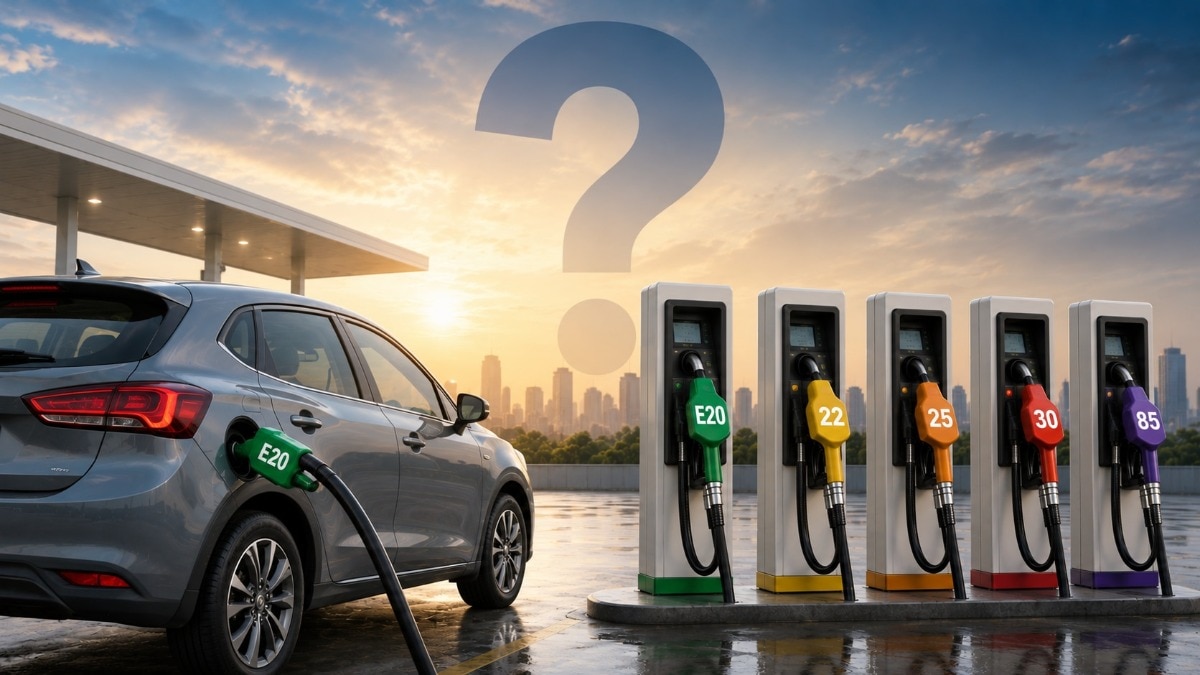
Under the new consideration, India might adopt a model akin to Brazil’s, offering diverse fuel options, including flex-fuel vehicles and various ethanol-petrol blends at fuel stations. This would grant vehicle owners the flexibility to decide which fuel best suits their needs and vehicle specifications, rather than facing a uniform mandate for higher ethanol content.
A primary driver behind this re-evaluation is the compatibility of existing vehicle fleets with elevated ethanol blends. Many cars and two-wheelers manufactured between 2012 and March 2023 were engineered to be E10-compliant, meaning they were designed to run on petrol containing up to 10 percent ethanol. While vehicles produced from April 2023 onwards are E20-compliant, designed for a 20 percent ethanol blend, the jump to higher levels like E25 or E30 could pose significant challenges for older engines not built for such specifications. Concerns include potential material degradation, fuel system issues, and compromised engine performance.
In line with this evolving strategy, the Centre is actively working on developing and preparing comprehensive standards for a range of new ethanol-petrol blends. These include E22, E25, E27, and E30, which would allow for petrol to contain up to 30 percent ethanol. The development of these standards is a critical step towards ensuring the safety and efficiency of these new fuel options, should they become widely available.
Furthermore, the government has commenced trials for vehicles designed to operate on E25 fuel. These trials are an essential part of the validation process, intended to thoroughly assess the performance, durability, and safety of vehicles with this higher blend. Given the technical complexities involved, these trials are expected to be extensive and require a considerable amount of time to yield conclusive results. The findings from these trials will be instrumental in informing future policy decisions and ensuring that any new fuel options are robust and reliable for consumers.
This move underscores a cautious approach to integrating higher ethanol blends into the national fuel matrix. By prioritizing consumer choice and addressing technical compatibility issues upfront through rigorous testing and standard setting, the government seeks to ensure a smoother transition towards a more diversified fuel landscape, accommodating both existing vehicles and future automotive innovations like flex-fuel technologies. The ultimate goal appears to be a gradual evolution of fuel options that balances environmental objectives with the practical realities of India’s vast and varied vehicle parc.
## Why This Matters
This potential policy shift holds significant implications for millions of vehicle owners across India, offering greater flexibility in fuel choices and potentially alleviating concerns about engine compatibility with higher ethanol blends. For consumers, it means they might not be compelled to use fuels unsuitable for their current vehicles, potentially saving on maintenance costs and ensuring vehicle longevity. The automotive industry will also be directly impacted, influencing future vehicle design and manufacturing strategies, particularly regarding flex-fuel technology. Ultimately, this move represents a critical evolution in India’s fuel policy, balancing energy goals with practical considerations for both the existing automotive fleet and future innovation.
## Frequently Asked Questions
###What is the government’s new approach to ethanol blending?
The government is considering a shift from immediately mandating higher ethanol blends to offering multiple options, including flex-fuel vehicles and various blend percentages. This approach aims to give buyers the choice, rather than imposing a single, higher mandatory standard.
###Why is the government reconsidering higher ethanol mandates?
The primary reason for the reconsideration is concern over the potential adverse impact of higher ethanol concentrations, such as E25 and above, on the engines of many existing vehicles in India, particularly those designed for E10 or E20 compliance.
###How will this affect owners of older vehicles?
For owners of older vehicles, specifically those manufactured between 2012 and March 2023 (E10-compliant), this reconsideration could be beneficial. It means they may not be forced to use fuels like E25, which could potentially damage their engines, and might instead have the option to continue using suitable blends or consider flex-fuel vehicles in the future.