
## Key Takeaways
– India is increasingly utilizing its substantial coal reserves as a key energy source.
– The nation is adopting coal gasification as a “transition fuel” to meet industrial energy demands.
– This strategic shift is largely driven by shortages in Liquefied Natural Gas (LNG) supplies, exacerbated by the West Asia conflict.
## Main Developments
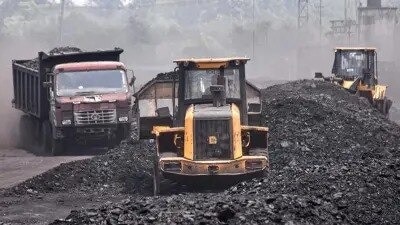
India is strategically re-evaluating its energy landscape, increasingly turning to its vast domestic coal reserves as a crucial “transition fuel.” This shift is primarily in response to the volatility and scarcity of global Liquefied Natural Gas (LNG) supplies, a challenge amplified by the ongoing conflict in West Asia. The country holds significant coal assets, estimated at approximately 401 billion tonnes of coal and nearly 47 billion tonnes of lignite, positioning it with one of the world’s largest reserves.
Traditionally viewed as a “dirty fuel,” coal is now being positioned as a central element in India’s efforts to ensure energy security and sustain industrial growth. The methodology underpinning this new approach involves coal gasification, a process that converts coal into synthesis gas, or syngas. This technology allows industries to harness coal’s energy potential in a more refined manner, serving as a substitute for natural gas where immediate electrification is not feasible.
The urgency of this pivot has been underscored by the disruptions to industrial operations across India. Many sectors, reliant on a steady supply of LNG, have faced significant challenges due to the current global gas crisis. For instance, Jindal Steel recently made a notable transition, moving away from LNG to synthesis gas derived from coal gasification to power its operations, directly addressing the shortage in natural gas availability.
While this strategic embrace of coal gasification offers a pragmatic solution to immediate energy shortfalls, particularly for industries grappling with the high cost and limited availability of LNG, it also brings into focus broader considerations. The long-term implications for India’s carbon emissions trajectory, a critical aspect of its environmental commitments, remain an important point of discussion as the nation navigates this energy transition. The immediate focus, however, is on leveraging domestic resources to insulate the economy from external energy supply shocks and maintain industrial momentum.
## Why This Matters
This development is significant for several reasons, directly impacting India’s energy independence, industrial stability, and environmental commitments. By prioritizing coal gasification, India is taking concrete steps to insulate its economy from the volatility of international energy markets, particularly in the face of geopolitical disruptions affecting global gas supplies. This move bolsters the nation’s energy security by tapping into abundant domestic coal reserves, rather than relying heavily on imported LNG, which has become both scarce and expensive.
For industries, this shift provides a vital lifeline. Operations that were threatened by LNG shortages can now consider alternatives like syngas derived from coal, ensuring continuity and minimizing economic disruption. However, this strategy also brings important questions about India’s environmental goals. While presented as a “transition fuel” with potentially cleaner conversion methods, the increased reliance on coal, even through gasification, requires careful consideration of its impact on air quality and carbon emissions. This strategic pivot highlights the complex balance India must strike between securing its energy future and addressing its environmental responsibilities in a rapidly changing global landscape.
## Frequently Asked Questions
##What is prompting India’s increased reliance on coal?
India’s increased reliance on coal is primarily driven by a global gas crisis, leading to a shortage of Liquefied Natural Gas (LNG) supplies. This situation has been exacerbated by the conflict in West Asia, disrupting international energy markets and impacting industrial operations that depend on LNG.
##How is India utilizing coal as a “transition fuel”?
India is utilizing coal as a “transition fuel” through a process called coal gasification. This technology converts coal into synthesis gas (syngas), which can then be used by industries as an alternative to natural gas, especially where immediate electrification is not feasible.
##Does India possess significant coal reserves?
Yes, India possesses some of the world’s largest coal reserves. Estimates indicate the country holds approximately 401 billion tonnes of coal and nearly 47 billion tonnes of lignite, providing a substantial domestic resource for its energy needs.