
## Key Takeaways
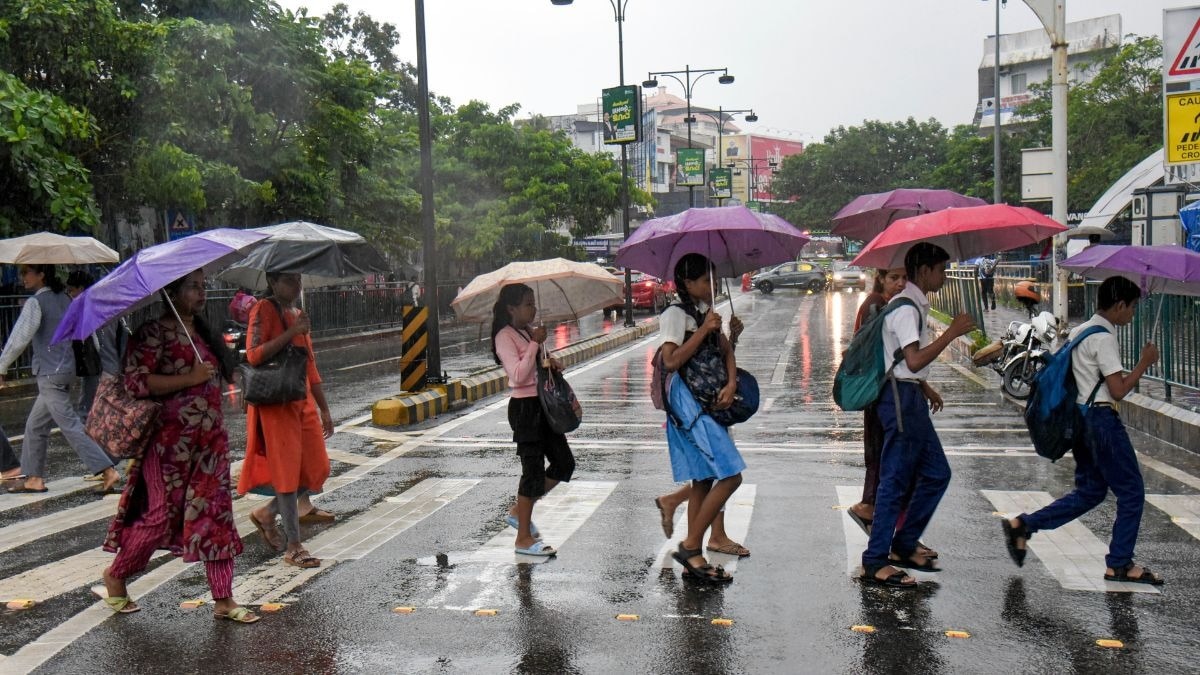
– The southwest monsoon has made its timely arrival and is advancing across parts of South India, bringing significant rainfall.
– Forecasts indicate heavy to extremely heavy rainfall for southern regions on June 6 and 7, with a risk of waterlogging in isolated Kerala areas.
– Northern India is experiencing a mixed weather pattern, including localized thunderstorms, gusty winds, and persistent heatwave conditions in eastern parts.
## Main Developments
The India Meteorological Department (IMD) has issued a comprehensive weather outlook, revealing a contrasting yet interconnected meteorological landscape across the nation. Following its official onset over Kerala on June 4, the southwest monsoon has demonstrated a vigorous advancement, already delivering widespread precipitation to several southern and coastal regions. This progression is set to intensify, with predictions of heavy rainfall for parts of South India over June 6 and 7. Simultaneously, the northern parts of the country are grappling with a diverse set of conditions, ranging from thunderstorms and strong winds to enduring heatwave conditions in parts of Bihar and East Uttar Pradesh.
The southwest monsoon is a fundamental atmospheric phenomenon for India, acting as the lifeblood for its agrarian economy and serving as the primary source of freshwater replenishment. Its timely arrival in Kerala on June 4 marked a significant milestone, signaling the commencement of the monsoon season and offering positive prospects for the upcoming agricultural cycle. The early establishment of this critical weather system is keenly observed by farmers, policymakers, and the public alike, as it directly impacts crop sowing schedules and the country’s overall water security.
As of June 5, the monsoon’s trajectory showcased continued momentum, extending its influence across key southern states. Areas in Karnataka, Tamil Nadu, and Goa have now come under the ambit of the monsoon, receiving initial spells of rain. This spread is crucial for these regions, which rely heavily on seasonal downpours for their agricultural output, including various food crops and commercial plantations. The commencement of rains typically facilitates preparations for the kharif (monsoon) crop season, providing much-needed moisture for soil preparation and sowing activities.
The IMD’s detailed forecast for June 6 and 7 highlights a period of potentially intense precipitation across parts of South India. Within this broader prediction, isolated regions of Kerala are specifically anticipated to receive extremely heavy rainfall. Such high-intensity events pose significant challenges, particularly the risk of waterlogging in low-lying areas and urban centers. Local administrations and emergency services are bracing for potential disruptions, which could include localized flooding, traffic impediments, and infrastructure strain. Effective drainage management and public awareness campaigns become critical during these periods to mitigate adverse impacts.
The continuous monitoring and forecasting by the IMD play an indispensable role in allowing authorities and communities to prepare for the monsoon’s varying intensity. The forecasts aid in strategizing agricultural practices, managing water resources in reservoirs, and implementing disaster preparedness measures. The current advancement and predicted rainfall patterns underscore the dynamic nature of the monsoon, which, while overwhelmingly beneficial, also requires vigilance due to localized extreme weather events. The southern states, with their coastal vulnerabilities and reliance on rain-fed agriculture, are particularly attuned to these meteorological updates.
While the southern peninsula is experiencing the onset of its primary rainy season, the weather narrative for North India presents a different picture. The IMD’s forecast for June 6 indicates that the National Capital Region (Delhi), along with parts of Haryana, Punjab, and Rajasthan, can expect light to moderate rainfall. These showers are likely to be accompanied by gusty winds, which could reach speeds of 40 to 60 kilometers per hour. Such wind speeds have the potential to cause localized disturbances, including temporary structural damage and minor power disruptions, prompting caution among residents.
The meteorological phenomena contributing to these northern weather patterns often include the influence of Western Disturbances. These are extra-tropical storm systems originating over the Mediterranean Sea that typically bring winter rainfall to northwestern India. Even in the pre-monsoon or early monsoon phase, their interaction with the existing atmospheric conditions can trigger convective activity, leading to thunderstorms and scattered rainfall. The prediction of thunderstorms extends to broader areas across the north, indicating a period of unsettled weather that may include lightning and localized heavy downpours.
Despite these episodic rain and storm activities, the IMD’s overarching outlook suggests “no respite” from challenging weather conditions for North India. This implies that while some regions might experience temporary relief from heat due to showers, the underlying atmospheric conditions responsible for high temperatures are expected to persist. This stark contrast underscores the vast climatic diversity of India, where different geographical zones can simultaneously experience distinctly opposite weather regimes.
Further compounding the weather challenges, parts of Bihar and East Uttar Pradesh are specifically forecast to endure heatwave conditions. Heatwaves are periods of abnormally high temperatures that pose considerable health risks, particularly to vulnerable segments of the population such as the elderly, young children, and individuals with chronic health conditions. Public health advisories are typically issued during such periods, urging citizens to remain hydrated, minimize outdoor exposure during peak heat hours, and take preventive measures against heatstroke and other related ailments. The agricultural sector in these regions also faces strain, as prolonged heat can impact crop health and increase water demand for irrigation.
The coexistence of an advancing monsoon in the south, bringing essential but potentially disruptive rains, with a mosaic of heatwaves, thunderstorms, and gusty winds in the north, highlights the complex and multi-faceted nature of India’s early June weather. Each of these weather phenomena carries unique implications for public safety, agricultural productivity, and the resilience of national infrastructure. The heavy rainfall in the south, while vital for ecological balance and water security, necessitates proactive flood management. The heatwaves in the east demand focused public health interventions, and the thunderstorms in the north call for precautions against severe weather events like lightning and strong winds.
The ongoing monitoring by the IMD provides crucial data that informs preparedness across various sectors. For urban planners, understanding the intensity of rainfall is key to developing robust urban drainage systems. For emergency response teams, anticipating extreme weather events like extremely heavy rain or severe thunderstorms enables the timely allocation and deployment of resources. For the general populace, accurate and timely weather forecasts empower them to make informed decisions regarding their daily activities and to adopt necessary safety precautions. The continuous updates from the IMD remain an invaluable resource in navigating these evolving weather challenges across the diverse Indian landscape. The initial days of June therefore represent a critical period of climatic transition for India, shaping the immediate future for millions.
## Why This Matters
This detailed weather forecast from the IMD is crucial for several reasons. For South India, the monsoon’s early and robust advancement, along with predictions of heavy to extremely heavy rainfall, signifies a vital replenishment of water resources critical for agriculture and domestic supply. However, it also necessitates immediate preparedness for potential flooding and waterlogging, which can disrupt daily life and pose risks to infrastructure. In North and East India, the simultaneous forecast of heatwaves, thunderstorms, and gusty winds highlights significant public health concerns, particularly in areas experiencing extreme heat, and calls for vigilance against localized weather disruptions. Farmers across the country rely heavily on these forecasts for crucial sowing and harvesting decisions, while emergency services and urban planners use this information for disaster management and infrastructure resilience. The diverse and contrasting weather patterns underscore the importance of accurate meteorological information for national planning, public safety, and economic stability.
## Frequently Asked Questions
When did the southwest monsoon arrive in Kerala?
The southwest monsoon arrived in Kerala on June 4.
Which southern states are currently experiencing the monsoon’s influence as of June 5?
As of June 5, the monsoon had spread into parts of Karnataka, Tamil Nadu, and Goa.
What weather conditions are expected for Delhi, Haryana, Punjab, and parts of Rajasthan on June 6?
These regions are likely to experience light to moderate rain with gusty winds of 40 to 60 kmph on June 6.