## Key Takeaways
– Hero MotoCorp CEO Harshavardhan Chitale advocates for biofuels as the most effective immediate strategy for carbon emission reduction in the automotive sector.
– Hero MotoCorp’s flex-fuel vehicles are reported to cost only about 3-4% more than their conventional internal combustion engine (ICE) counterparts.
– While acknowledging electrification as India’s ultimate pathway to net-zero commitments, Chitale emphasized that this transition is a long-term endeavor requiring time.
## Main Developments
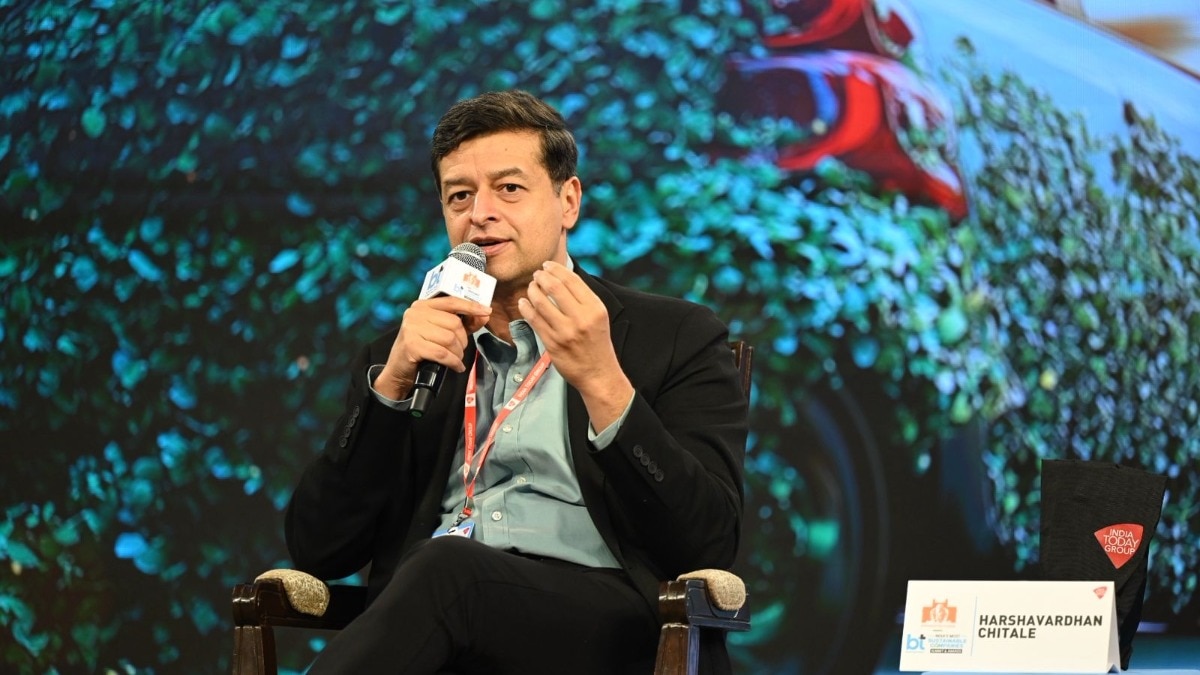
Addressing industry leaders and sustainability advocates, Harshavardhan Chitale, CEO of Hero MotoCorp, articulated a clear perspective on decarbonizing India’s automotive landscape. During ‘The Eco Drive’ session at BT India’s Most Sustainable Companies Summit and Awards, Chitale highlighted biofuels as the optimal solution for achieving immediate reductions in carbon emissions. His remarks underscored the practical steps the industry can take now while simultaneously preparing for future transformations.
Chitale elaborated on Hero MotoCorp’s proactive stance in this area, noting that their newly introduced flex-fuel vehicles are engineered to provide consumers with significant flexibility. A crucial point of emphasis for potential adopters is the minimal price difference; Hero MotoCorp’s flex-fuel models currently carry a premium of only approximately 3-4% compared to equivalent conventional internal combustion engine vehicles. This modest cost increase aims to ease consumer concerns regarding affordability, potentially accelerating the adoption of more environmentally friendly options.
The discussion extended beyond the immediate benefits of biofuels to a broader definition of sustainability within the manufacturing sector. Chitale stressed that the concept of sustainability can no longer be confined solely to the operational aspects of manufacturing processes. Instead, the imperative now lies in developing sustainable products that inherently reduce environmental impact throughout their entire usage cycle, from the moment they are sold until their eventual end-of-life. This holistic view reflects a maturing understanding of corporate environmental responsibility, pushing companies to innovate across their product lines.
Looking ahead, the Hero MotoCorp CEO affirmed that India’s automotive industry will ultimately need to embrace large-scale electrification to successfully meet the nation’s ambitious net-zero commitments. This long-term vision positions electric vehicles (EVs) as the cornerstone of a fully decarbonized transport system. However, Chitale tempered this outlook with a dose of realism, cautioning that such a significant transition will inherently take a considerable amount of time. The complexities involved in developing extensive charging infrastructure, scaling battery production, and achieving widespread consumer acceptance mean that the shift will be gradual rather than instantaneous.
Therefore, Chitale’s address presented a dual-pronged strategy for environmental progress in the automotive sector. On one hand, immediate action through accessible technologies like biofuels and flex-fuel vehicles offers a pragmatic pathway to carbon reduction today. On the other hand, a steadfast commitment to developing and implementing electrification strategies ensures that India remains on course to achieve its overarching net-zero objectives in the long run. This balanced approach acknowledges both the urgency of current climate challenges and the intricate realities of industrial transformation.
The insights from Hero MotoCorp’s CEO underscore a critical period for the automotive industry, where innovation must serve both present needs and future aspirations. By offering affordable flex-fuel alternatives and simultaneously planning for an electric future, companies like Hero MotoCorp are navigating the complex journey towards a more sustainable mobility ecosystem in India.
## Why This Matters
This perspective from Hero MotoCorp’s CEO is significant for several reasons. Firstly, it provides a practical roadmap for immediate carbon reduction in a major developing economy like India, where the rapid transition to electric vehicles might face logistical and economic hurdles. By highlighting the affordability of flex-fuel vehicles—costing only slightly more than conventional models—it offers consumers a tangible and accessible way to contribute to environmental efforts without a prohibitive financial burden.
Secondly, it clarifies the industry’s strategic thinking, emphasizing that sustainability is not just about manufacturing processes but also about the environmental footprint of products throughout their entire lifecycle. This broader definition pushes manufacturers to innovate not just in production, but also in design and fuel compatibility, ensuring their offerings align with evolving environmental standards.
Finally, the discussion effectively balances the immediate needs with long-term goals. While acknowledging the inevitable shift to electrification for India’s net-zero commitments, it pragmatically accounts for the time and investment required for such a massive transition. This multi-faceted approach is crucial for policymakers, industry stakeholders, and consumers alike, providing clarity on the phased journey towards a greener automotive future in India.
## Frequently Asked Questions
##Question 1?
What is Hero MotoCorp’s CEO’s view on the best immediate solution for carbon reduction?
Answer 1
Harshavardhan Chitale, CEO of Hero MotoCorp, believes that biofuels are the most effective solution for immediate carbon reduction in the automotive sector.
##Question 2?
How much more expensive are Hero MotoCorp’s flex-fuel vehicles compared to conventional models?
Answer 2
Hero MotoCorp’s flex-fuel vehicles are reported to cost only about 3-4% more than comparable conventional internal combustion engine (ICE) models.
##Question 3?
What is the long-term strategy for India’s automotive sector regarding environmental commitments, according to Chitale?
Answer 3
According to Chitale, India’s automotive sector will ultimately require large-scale electrification to fulfill the country’s net-zero commitments, though he cautions that this transition will take time.