## Key Takeaways
– The Union government has reduced the number of subsidised LPG cylinders available to Pradhan Mantri Ujjwala Yojana (PMUY) beneficiaries from nine to four annually.
– This policy adjustment comes amidst a significant increase in the cost of supplying domestic LPG cylinders, which has surpassed ₹1,600 due to rising global energy benchmarks.
– Officials state the reduction aims to align fiscal support more closely with the actual average consumption patterns of households.
## Main Developments
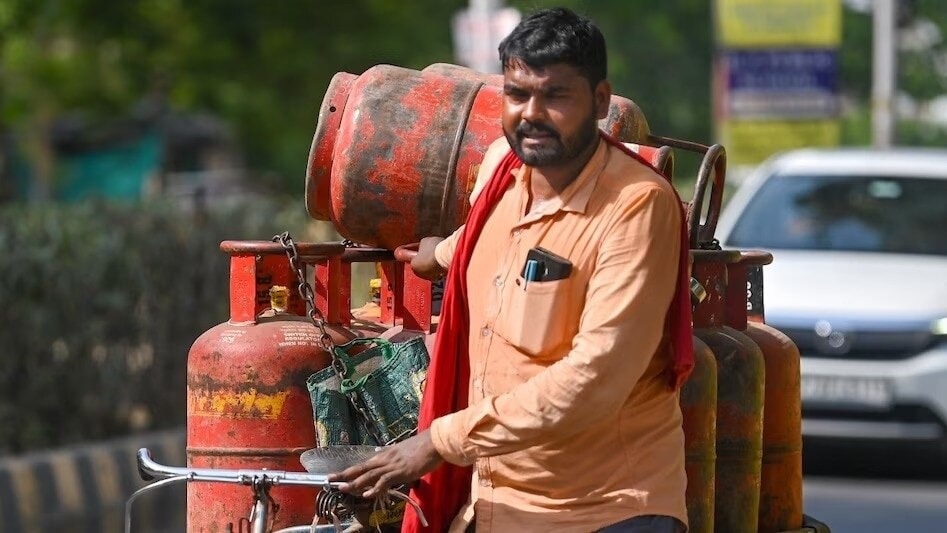
The Indian government has implemented a significant change to its Pradhan Mantri Ujjwala Yojana (PMUY), a flagship scheme designed to provide clean cooking fuel to economically disadvantaged households. Under the revised policy, beneficiaries will now receive four subsidised liquefied petroleum gas (LPG) cylinders per year, a reduction from the previous entitlement of nine. This decision, announced earlier this week, marks a notable shift in the government’s approach to energy subsidies.
Launched in May 2016, the Ujjwala scheme has been instrumental in expanding access to clean cooking fuel, moving millions of households away from traditional, less healthy methods. The provision of subsidised cylinders has been a cornerstone of this initiative, aiming to mitigate the financial burden on low-income families. The recent policy adjustment, however, reflects broader economic pressures and a re-evaluation of subsidy allocation.
Government officials cited the need to align fiscal support with actual average household consumption levels as a primary driver for the change. This suggests an analysis of usage patterns among beneficiaries indicated that the previous allocation might have exceeded typical household needs for subsidised fuel.
The adjustment in subsidy comes against a backdrop of escalating costs for supplying domestic LPG cylinders. According to recent data, the expense of providing a single cylinder has exceeded ₹1,600. This increase is attributed to a surge in global energy benchmarks, a direct consequence of geopolitical conflicts in West Asia that began towards the end of February. These international developments have ripple effects on domestic energy markets, putting upward pressure on prices.
In parallel with the rising supply costs, retail prices for domestic LPG have also seen increases. Over the past three months, consumers have faced a cumulative increase of ₹89 per cylinder. A recent hike on June 7 added ₹29 to the retail price of each 14.2-kg LPG cylinder. Following this adjustment, the price in Delhi stands at ₹942, reflecting the ongoing volatility and upward trend in the energy sector. This dual impact of higher international prices and reduced subsidies is expected to influence household budgets.
## Why This Matters
This policy shift holds significant implications for millions of households across India, particularly those in the lower-income brackets who rely on the Ujjwala scheme for affordable cooking fuel. The reduction from nine to four subsidised cylinders per year means beneficiaries will need to purchase more cylinders at market rates, potentially increasing their monthly expenditure on essential cooking fuel. This could pose a financial challenge for families for whom even small increases in living costs can have a substantial impact.
For the government, the move represents an effort to manage its fiscal commitments in a challenging global economic environment. With the cost of supplying LPG cylinders rising sharply due to international conflicts and soaring benchmarks, maintaining the previous subsidy levels for a large number of cylinders would entail a substantial burden on public finances. By adjusting the subsidy, the government aims to optimize its expenditure while continuing to support the core objective of providing access to clean cooking fuel.
The decision also highlights the interconnectedness of global events and domestic policy. Geopolitical instability in regions like West Asia directly translates into higher energy costs, compelling governments worldwide to reassess their subsidy structures. For India, a major energy importer, such external factors inevitably influence domestic pricing and welfare schemes. This situation underscores the delicate balance governments must strike between providing social welfare and responding to economic realities shaped by international market dynamics.
Moreover, the Ujjwala scheme’s original goal was to promote cleaner cooking methods and improve public health, especially for women and children, by reducing exposure to indoor air pollution from traditional fuels. Any measure that potentially reduces the affordability or accessibility of LPG, even with a stated aim of aligning with consumption, could impact the sustained adoption of clean cooking fuel among the most vulnerable populations. The success of the scheme hinges on both initial access and continued usage, making affordability a critical factor.
## Frequently Asked Questions
###What is the Pradhan Mantri Ujjwala Yojana (PMUY)?
The Pradhan Mantri Ujjwala Yojana (PMUY) is a flagship government scheme launched in May 2016, aimed at providing clean cooking fuel, specifically LPG connections, to underprivileged households in India, primarily to replace traditional cooking fuels like firewood and dung cakes.
###What is the recent change in subsidised LPG cylinders for Ujjwala beneficiaries?
The Union government has reduced the annual entitlement of subsidised LPG cylinders for beneficiaries of the Ujjwala scheme from nine to four.
###Why has the government reduced the number of subsidised cylinders?
Officials stated the reduction is intended to align fiscal support more closely with actual average household consumption levels. This decision also comes amid a significant rise in the cost of supplying domestic LPG cylinders due to global market increases and international conflicts.
###What is the current retail price of a 14.2-kg LPG cylinder in Delhi?
Following a recent increase on June 7, the retail price of a 14.2-kg LPG cylinder in Delhi stands at ₹942.
###Who is affected by this change?
This change primarily affects beneficiaries of the Pradhan Mantri Ujjwala Yojana, who will now receive fewer subsidised cylinders annually and may face increased out-of-pocket expenses for their cooking fuel needs.