
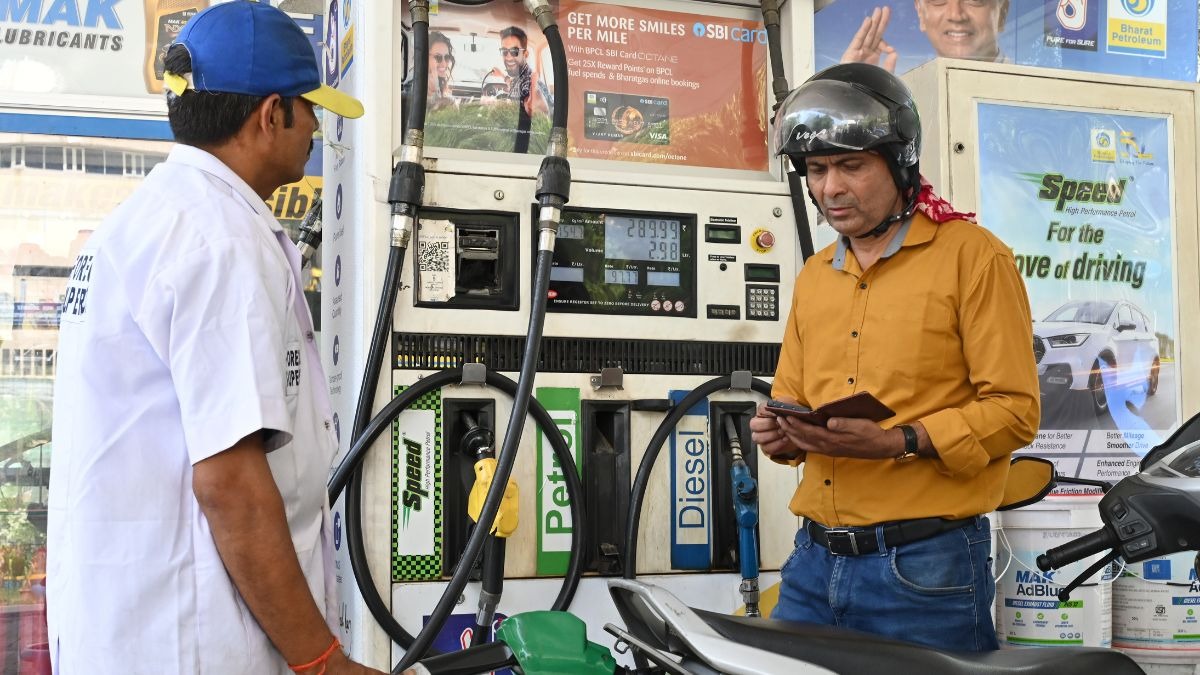
Get ready to feel the pinch again, folks. Petrol and diesel prices have climbed for the third time this month, pushing fuel rates across major Indian cities into a higher bracket. This isn’t just a number on a screen; it’s a ripple effect about to hit your daily commute, your grocery bill, and your overall household budget.
The Latest Jolt to Your Wallet
State-run oil marketing companies (OMCs) announced fresh hikes this past Saturday, making it a hat-trick of increases in May. For those keeping track, petrol prices have jumped by Rs 0.87 per litre, while diesel is up by Rs 0.91 per litre across the nation.
These adjustments mean fuel prices are now hovering between Rs 92.49 and Rs 110.64 per litre, depending on where you fill up your tank. It’s a significant leap, especially when these hikes accumulate over just a few weeks. The frequent upward revisions are quickly becoming a major concern for millions of Indians who rely on personal vehicles or public transport daily.
Why the Prices Are Pushing Up
So, why are we seeing these relentless increases? The primary culprit, according to industry watchers, is the escalating global crude oil prices. International energy markets are currently experiencing significant pressure, which inevitably trickles down to consumers in India.
Several factors contribute to this global surge. Post-pandemic economic recovery in many parts of the world has spurred a higher demand for energy. Geopolitical tensions in oil-producing regions can also cause supply disruptions or anxieties, leading to price spikes. Moreover, decisions by major oil cartels like OPEC+ regarding production levels heavily influence the global supply-demand balance. When supply is tight or demand is high, prices naturally climb. Indian OMCs procure crude oil from these international markets, and any fluctuation there directly impacts the retail price we pay at the pump.
The Domino Effect: More Than Just Fuel
It’s easy to think of fuel prices as just what you pay when you fill up, but the reality is far more complex. These hikes have a profound domino effect across the entire economy.
* Commuters and Households: For the average commuter, it means a more expensive daily ride to work or school. Household budgets, already stretched by rising inflation, now have to accommodate higher transportation costs for everything from running errands to weekend trips. This leaves less discretionary income for other essential goods or savings.
* Businesses and Logistics: The impact on businesses, especially those reliant on transportation, is substantial. Trucking companies, logistics providers, and even small businesses delivering goods face higher operating costs. These increased costs are almost invariably passed on to consumers in the form of higher prices for goods and services. So, that bag of groceries, your online order, or even local services could see price increases soon.
* Agriculture Sector: Farmers depend on diesel for tractors, irrigation pumps, and transporting produce to markets. Higher diesel prices directly translate to increased production costs, which could potentially lead to higher food prices for consumers.
* Inflationary Pressure: When the cost of transport and production rises across the board, it fuels overall inflation. This erodes the purchasing power of money, making everyday life more expensive for everyone. The Reserve Bank of India keeps a close eye on fuel price movements due to their significant contribution to inflationary trends.
Government’s Stance and Future Outlook
While OMCs announce the daily price revisions based on a dynamic pricing mechanism (which links domestic fuel prices to international crude oil rates and the rupee-dollar exchange rate), the government also plays a crucial role through various taxes and duties. State and central taxes make up a significant portion of the final retail price of petrol and diesel.
Looking ahead, the outlook remains somewhat uncertain. Global crude oil markets are notoriously volatile, reacting swiftly to geopolitical developments, economic data, and supply-side news. Without a significant drop in international crude prices or any intervention from the government (like a reduction in taxes), consumers may need to brace for continued fluctuations, and potentially, further upward movements.
Why This Matters
This isn’t just another dry economic statistic. Rising fuel prices directly impact the disposable income of millions, increase the cost of living, and put upward pressure on prices of essential goods. For a country like India, heavily reliant on imported crude, these global market shifts have immediate and tangible consequences on the everyday lives of its citizens and the broader economic stability. Staying informed about these changes helps us understand the economic landscape and prepare for their effects.