India’s financial landscape is constantly evolving, and a major shake-up could be on the horizon for the very cash in your wallet. The Reserve Bank of India (RBI) is reportedly dusting off a long-standing proposal to introduce polymer, or plastic, banknotes into circulation, a move that could redefine how we interact with our physical currency.
### The Cash Conundrum
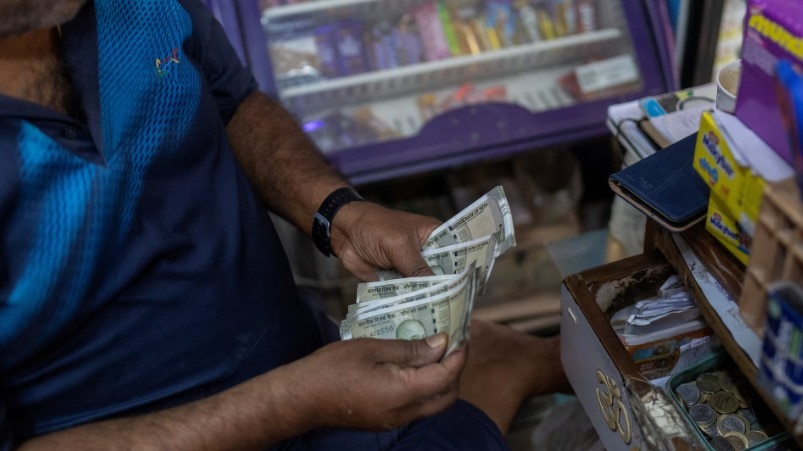
Despite the meteoric rise of digital payments and UPI transactions, physical cash remains a cornerstone of the Indian economy. Data from the RBI reveals that currency in circulation surged by a significant 11.5 per cent year-on-year, hitting a record ₹42.86 lakh crore as of May 15. This robust demand for paper notes comes with its own set of challenges, particularly for the central bank tasked with managing it.
Printing billions of banknotes annually is an enormous undertaking, consuming vast resources and incurring substantial costs. Moreover, these paper notes, after enduring the rigours of daily transactions, quickly become soiled, torn, and unfit for use. The sheer volume of such worn-out currency that needs to be disposed of and replaced every year puts immense pressure on the RBI’s operations and budget.
### A Long-Awaited Makeover
The idea of switching to polymer notes isn’t new; it’s a proposal that has been floated and deliberated upon for decades. However, recent discussions at the RBI’s board meetings in Patna and Mumbai suggest that this time, the proposal is gaining serious momentum. Sources indicate that a pilot project for public use is anticipated to be announced in the near future, paving the way for a potential nationwide rollout.
This renewed interest signals a strategic shift, recognizing the urgent need to address the inefficiencies and environmental impact associated with traditional paper currency. India, with its diverse climates and intensive cash usage, presents a unique case for the benefits of more durable banknotes.
### Why Go Plastic? The Clear Advantages
The primary drivers behind the RBI’s consideration of polymer notes are straightforward and compelling: lower production costs over the long term and a significantly longer shelf life. While the initial printing cost of a polymer note might be slightly higher than its paper counterpart, its durability offers substantial savings down the line.
Polymer notes are designed to last two to four times longer than paper notes. This means fewer notes need to be printed, fewer need to be transported, and fewer need to be processed for disposal and replacement. This longevity translates directly into reduced expenditure for the RBI and, by extension, the taxpayer. The decreased frequency of printing also has a positive environmental ripple effect, reducing the consumption of raw materials and energy.
### The Soiled Note Saga
Every time a banknote changes hands – from vendor to customer, from bank to ATM, from pocket to purse – it gathers grime, folds, and wear. In a country with India’s population density and transactional volume, this process is accelerated. The RBI continuously withdraws large volumes of soiled and mutilated notes from circulation, replacing them with crisp new ones. This constant cycle is not only costly but also presents logistical challenges.
Polymer notes, being less porous and more resistant to moisture and tearing, maintain their integrity and cleanliness for much longer. They are resistant to water, oils, and general grime, making them ideal for everyday use, especially in a country with varied weather conditions. Imagine a note surviving an accidental wash cycle without turning into pulp – that’s the polymer promise.
### Beyond Durability: Other Perks
The advantages of polymer extend beyond just durability and cost-efficiency. These notes can incorporate advanced security features that are harder to replicate than those in paper notes, making counterfeiting a significantly tougher challenge. Features like transparent windows, sophisticated holograms, and intricate patterns can be more effectively integrated into the polymer substrate.
From a public health perspective, polymer notes are also more hygienic. Their non-porous surface makes it harder for dirt, bacteria, and viruses to adhere and spread, a factor that gained considerable importance during global health crises. This makes them a cleaner, safer option for daily transactions.
### The Road Ahead: Pilot Project & Public Pulse
The upcoming pilot project will be crucial. It will allow the RBI to test the new notes in real-world scenarios, gather feedback from the public, and assess the logistical challenges of widespread adoption. Public acceptance will be key; people are accustomed to the feel and texture of paper currency, and any new material will require an adjustment period. Educational campaigns will likely be necessary to inform citizens about the new notes, their benefits, and how to identify their security features.
Challenges may include the initial investment in new printing technology, establishing robust recycling mechanisms for old polymer notes, and ensuring seamless integration with existing cash-handling infrastructure like ATMs and vending machines, which may require minor recalibrations.
### Your Wallet, Reimagined
For the average Indian, the introduction of plastic notes could mean a cleaner, more durable, and potentially more secure currency experience. No more fumbling with torn notes or worrying about a drenched wallet. While the tactile experience might differ, the practical benefits could significantly outweigh any initial hesitation. It’s a step towards modernizing the physical aspect of India’s economy, making cash smarter and more sustainable in an increasingly digital world.
### Why This Matters
The RBI’s renewed push for polymer banknotes isn’t just about changing the material of our currency; it’s a strategic move to enhance economic efficiency, reduce waste, improve security, and contribute to a more sustainable financial ecosystem. In a nation where cash still holds significant sway, this decision underscores a commitment to innovation and foresight, aiming to create a more resilient and future-proof physical currency for millions.