The global economy is holding its breath. What began as escalating tensions between the US and Iran over uranium stockpiles and control of a critical waterway now carries a chilling warning: a potential blockage of the Strait of Hormuz could trigger an economic downturn reminiscent of the devastating Great Recession of 2008. While US Secretary of State Marco Rubio noted “some good signs” in recent talks, the underlying threat looms large, keeping world markets and policymakers on edge.
### The Strait of Hormuz: A Global Lifeline on the Brink
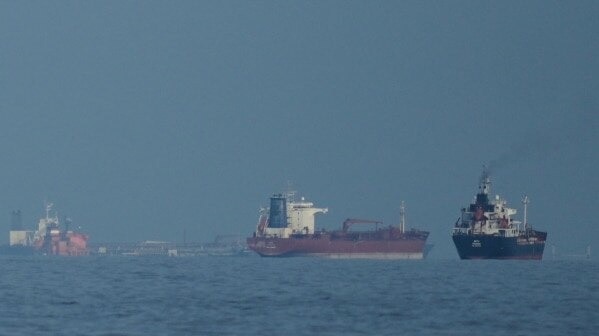
Imagine a narrow maritime choke point, barely 21 miles wide at its narrowest, through which nearly one-fifth of the world’s total oil consumption — roughly 17 to 20 million barrels of crude oil per day — flows. That’s the Strait of Hormuz. Situated between Oman and Iran, it’s the only sea passage from the Persian Gulf to the open ocean, making it an indispensable artery for global energy supplies. Tankers carrying oil from Saudi Arabia, Iran, the UAE, Kuwait, and Iraq all must pass through this strategic waterway. Any significant disruption here isn’t just a regional issue; it’s a direct threat to the financial stability of virtually every nation on Earth.
### Echoes of 2008? The Looming Recession Warning
The stark warning comes from Rapidan Energy Group, a prominent advisory firm closely tracking geopolitical energy risks. Their latest analysis suggests that if a closure of the Strait of Hormuz were to last through August, the world could face an economic contraction close to the magnitude of the 2008 Great Recession. That period, marked by a global financial crisis, widespread job losses, and significant government bailouts, cast a long shadow over economies worldwide for years. The mere mention of its potential “replay” sends shivers down the spines of economists and ordinary citizens alike.
Rapidan’s “base case” scenario, a term meaning their most likely prediction, assumes the waterway *does* reopen in July. Even in this more optimistic outlook, the impact would be severe: an average reduction in global oil demand by 2.6 million barrels per day. More critically, they project the spot-market price for benchmark Brent crude, a key global indicator, could peak near an eye-watering $130 a barrel over the summer. For context, the last time Brent crude consistently hit such highs was also around the 2008 crisis, demonstrating the gravity of the current forecast.
### The Price of Disruption: What $130 Oil Means for You
So, what does Brent crude hitting $130 a barrel really mean? For starters, prepare for pain at the pump. Gasoline prices would surge, directly impacting commuters, trucking companies, and logistics networks. This isn’t just about your daily commute; it affects the cost of everything that needs to be transported, from food on grocery shelves to the clothes in your closet.
But the ripple effects extend far beyond fuel. Higher energy costs inflate manufacturing expenses, eating into corporate profits and potentially leading to price increases for consumers. Airlines, with their massive fuel needs, would face immense pressure, likely translating to more expensive flights and fewer travel options. Industries reliant on petroleum products, from plastics to pharmaceuticals, would see their input costs skyrocket. This widespread increase in costs fuels inflation, eroding purchasing power and making every dollar stretch less far.
### Geopolitical Chess: US, Iran, and the Uranium Question
At the heart of this looming crisis are the persistent opposing stances between the United States and Iran. The dispute isn’t new, but it has intensified around Tehran’s uranium stockpile and international controls on its nuclear program. Iran has consistently viewed the Strait of Hormuz as a strategic tool, threatening its closure in response to perceived threats or sanctions.
While Secretary Rubio’s mention of “some good signs” in ongoing talks offers a glimmer of hope, it underscores the fragility of the situation. Diplomacy is a tightrope walk, and any misstep could quickly unravel progress, pushing the world closer to the brink. The international community is desperately seeking a de-escalation, but the stakes – energy security, regional stability, and global economic health – have never been higher.
### Beyond the Oil Barrel: Wider Economic Fallout
If a prolonged Hormuz blockade were to materialize, the economic consequences would cascade rapidly. Central banks, already grappling with inflation in many parts of the world, would face an impossible dilemma: raise interest rates to combat inflation, potentially tipping economies into recession, or keep them stable and risk runaway price increases.
Supply chains, still recovering from the disruptions of the pandemic and other geopolitical events, would be thrown into chaos. Businesses might struggle to source raw materials, leading to production delays and shortages. Consumer confidence would plummet as uncertainty about future prices and job security takes hold, leading to reduced spending and further dampening economic activity. The interconnectedness of the global financial system means that a shock in one area, like energy, quickly reverberates through markets, potentially triggering widespread panic and investment freezes.
### Why This Matters
This isn’t just a story about distant oil tankers and diplomatic squabbles. A crisis in the Strait of Hormuz directly impacts your wallet, your job prospects, and the stability of your daily life. It means higher prices for everything, greater economic uncertainty, and a real threat to the comfortable functioning of our modern world. Understanding these geopolitical fault lines is key to preparing for the potential waves they could send crashing onto our shores.
### Outlook: A Tense Summer Ahead
As the world heads into summer, the situation in the Strait of Hormuz remains a critical watchpoint. The international community, led by major powers, will undoubtedly intensify diplomatic efforts to prevent a full-blown crisis. But as long as the fundamental disagreements between the US and Iran persist, and the rhetoric around the vital waterway remains charged, the shadow of a 2008-scale economic replay will hang heavy over us all. Stay informed, because the headlines from this region could soon define our economic reality.