
## Key Takeaways
– The Adani Group is collaborating with L&T for its planned nuclear power projects, including plant construction and site finalization.
– L&T will lend its extensive experience in engineering, procurement, construction (EPC), manufacturing, and project management to Adani’s nuclear initiatives.
– The progression of these projects hinges on the Nuclear Power Corporation of India Ltd (NPCIL) approving the necessary technology for private sector engagement in civil nuclear power.
## Main Developments
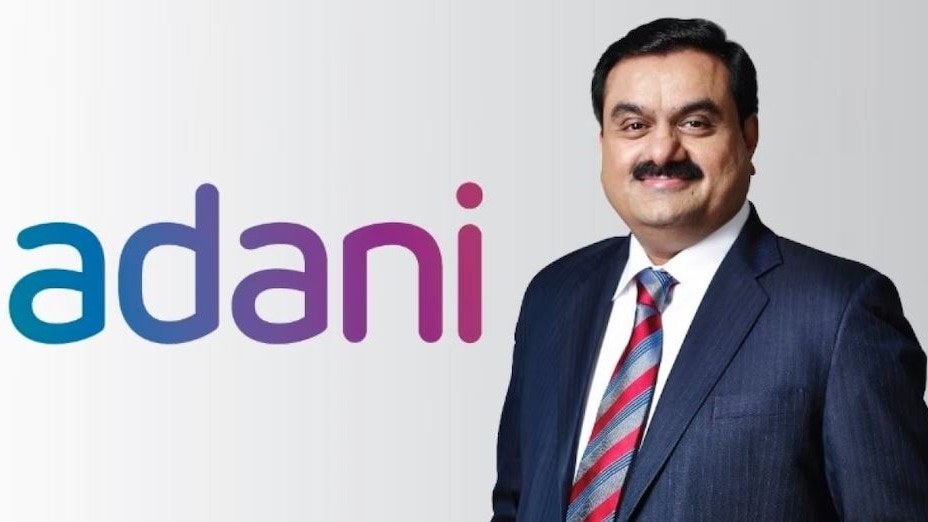
The Adani Group is actively engaging with the L&T Group as it advances its plans to establish nuclear power plants across India. This partnership marks a significant development for Adani as it identifies and finalizes multiple locations for these atomic energy projects. The collaboration aims to leverage L&T’s considerable expertise within the nuclear sector.
L&T brings a long history as a prominent player in engineering, procurement, and construction (EPC) for nuclear facilities. Its involvement is expected to be comprehensive, providing vital guidance to Adani’s nuclear power ventures, with a particular emphasis on manufacturing processes and overall project management. The company has a proven track record of supporting technological advancements, local manufacturing capabilities, and indigenization efforts within India’s nuclear industry.
This strategic alliance underscores a move by the Adani Group into the highly specialized field of nuclear energy. The initial phases involve thorough site selection and the formulation of project plans, with L&T’s input being crucial for navigating the complexities inherent in such large-scale infrastructure development. By partnering with an experienced entity like L&T, Adani seeks to ensure robust project execution from the outset.
However, the immediate future trajectory of these projects is dependent on a crucial regulatory step. L&T is currently awaiting approval for the necessary technology from the Nuclear Power Corporation of India Ltd (NPCIL). This approval is a pivotal factor that will determine the subsequent stages of development and implementation, influencing the choice of specific technological frameworks for the plants.
The broader context of this initiative involves the Indian government’s stance on private sector participation in civil nuclear power. The commencement of full-scale work is contingent upon the government establishing and releasing the specific technologies that private entities will be authorized to adopt for nuclear power generation. This policy framework is essential for both Adani and L&T to proceed with definitive plans and construction schedules.
The collaboration, initially reported in an update on June 8, 2026, signals a potential shift in the landscape of India’s energy sector, with private conglomerates looking to contribute to nuclear power generation. The integration of L&T’s deep-rooted experience in critical areas like fabrication of specialized components and efficient project execution is seen as fundamental to the success of Adani’s ambitious foray into this highly regulated and capital-intensive domain. The structured approach, beginning with site identification and partnership formation, indicates a methodical progression towards realizing these nuclear energy objectives, albeit under strict regulatory oversight.
## Why This Matters
The Adani Group’s move to partner with L&T for nuclear power projects carries significant implications for India’s energy future and its industrial landscape. This collaboration signals a potential increase in private sector involvement in a strategically vital and historically state-dominated area, which could accelerate the country’s clean energy transition goals. Leveraging L&T’s established expertise in the nuclear engineering and construction sector suggests a commitment to high standards and robust project delivery, potentially enhancing India’s domestic capabilities in atomic energy development.
For readers, this development highlights ongoing efforts to diversify India’s energy mix, aiming for greater energy security and reduced reliance on fossil fuels. Nuclear power, as a non-intermittent, low-carbon source, is critical for meeting growing electricity demands sustainably. The success of such private-sector collaborations, subject to stringent regulatory approvals and technological frameworks, could set a precedent for future large-scale infrastructure investments, impacting job creation, technological advancement, and the overall economic growth trajectory. It underscores the nation’s push towards self-reliance in advanced energy technologies and the potential for new models of infrastructure development.
## Frequently Asked Questions
###Who are the primary entities involved in these nuclear power initiatives?
The main entities are the Adani Group, which is embarking on nuclear power projects, and the L&T Group, acting as a key partner for engineering, procurement, and construction (EPC) services. The Nuclear Power Corporation of India Ltd (NPCIL) and the government are also crucial for technology approvals and policy frameworks.
###What role will L&T play in the Adani Group’s nuclear projects?
L&T will leverage its extensive experience as a veteran EPC player in the nuclear sector. Its responsibilities include guiding Adani’s projects with a focus on manufacturing and project management, as well as contributing to technology development, manufacturing, and localization efforts within the nuclear industry.
###What is the critical next step required for these projects to move forward?
The immediate critical step is for L&T to receive technology approval from the Nuclear Power Corporation of India Ltd (NPCIL). Furthermore, the overall progress is contingent on the government establishing and releasing the specific civil nuclear power technology that private sector entities like Adani will be permitted to adopt.