## Key Takeaways
– White House AI advisor Sriram Krishnan is stepping down from his role within the Trump administration at the close of this month.
– Krishnan, an Indian-American technology entrepreneur, served as a key advisor on artificial intelligence.
– He announced plans to continue addressing significant AI challenges facing the United States after taking a brief hiatus.
## Main Developments
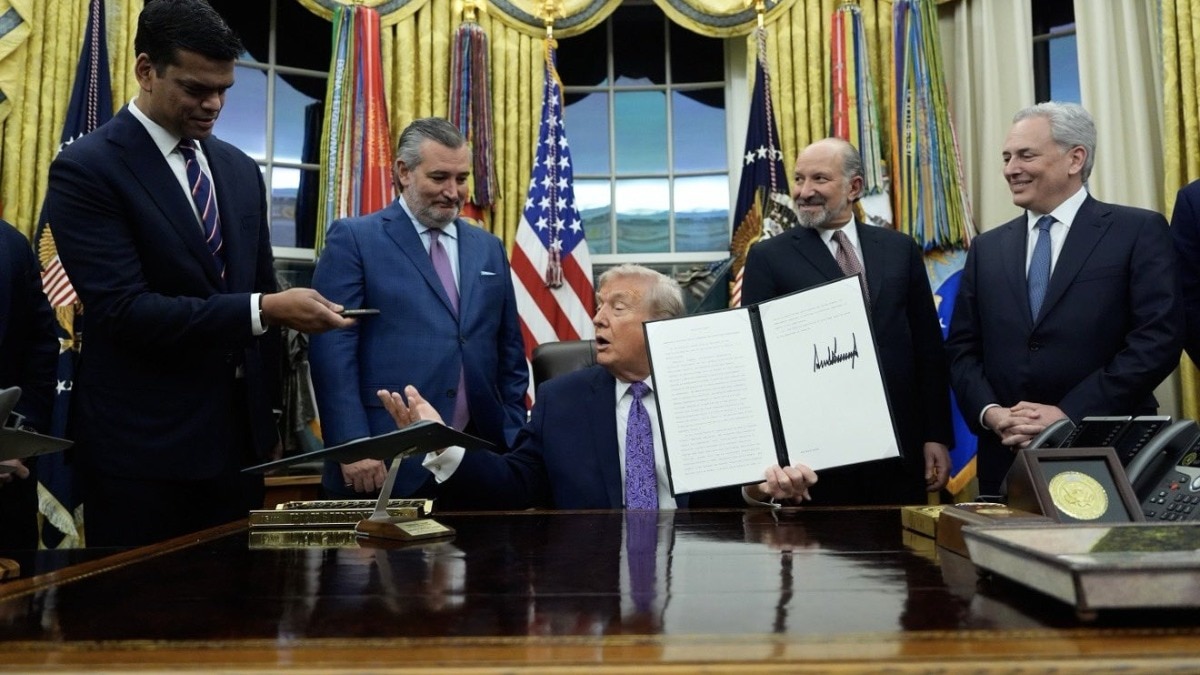
Sriram Krishnan, an influential Indian-American technology entrepreneur and a key artificial intelligence advisor within the Trump administration, recently announced his intention to leave his position at the White House. His departure is set for the end of the current month. Krishnan communicated this significant career move via a post on X, indicating a transition from his advisory role to a new mission focused on the broader landscape of AI challenges confronting the United States.
In his public statement, Krishnan outlined that following a short break, he intends to dedicate his efforts to “helping tackle some of the large challenges facing America on AI.” This declaration underscores his continuing commitment to the field, albeit from a different vantage point outside of direct government service. His tenure as an AI advisor positioned him at the intersection of technological advancement and national policy, a critical area given the rapid evolution and pervasive impact of artificial intelligence across various sectors.
The role of an AI advisor within the White House is multifaceted, often involving the formulation of national strategies to harness the potential of artificial intelligence while simultaneously mitigating its inherent risks. Such a position typically entails providing expert guidance on policy development, fostering innovation, addressing ethical considerations, and ensuring the nation maintains a competitive edge in the global AI race. Advisors in this capacity are instrumental in shaping governmental approaches to a technology that promises to redefine economies, national security paradigms, and daily life.
Krishnan’s background as a technology entrepreneur would have brought a practical, industry-informed perspective to policy discussions within the Trump administration. The blend of entrepreneurial experience and strategic advisory responsibilities is particularly valuable in the fast-paced world of artificial intelligence, where theoretical understanding must often be coupled with real-world application and market dynamics. His work would have likely involved contributing to discussions on how the United States can best navigate the complexities of AI, from economic impacts and workforce adaptation to data privacy and cybersecurity.
The challenges posed by artificial intelligence are indeed substantial and wide-ranging for any developed nation. These include questions of regulatory frameworks that can keep pace with innovation without stifling it, ensuring equitable access to AI benefits, managing the potential for job displacement, addressing bias in algorithms, and safeguarding national security interests against sophisticated AI threats. Furthermore, there is the ongoing imperative to cultivate a robust domestic AI ecosystem, foster research and development, and attract top talent to maintain leadership in this transformative domain. Krishnan’s stated intent to continue working on these “large challenges” suggests a deep understanding of their gravity and a personal dedication to contributing to national solutions.
His departure from a direct advisory role in government raises questions about the continuity of specific initiatives or policy directions he may have influenced. However, his expressed desire to remain engaged with these critical issues implies that his expertise will likely still contribute to the broader national dialogue on AI, perhaps through other channels in the private sector, academia, or non-profit organizations. The transition signifies a personal shift but not necessarily a withdrawal from the national effort to responsibly develop and deploy artificial intelligence.
The announcement was made on a Sunday, with the specific update timestamped June 7, 2026. This timing places his imminent departure at a juncture where artificial intelligence continues to accelerate its integration into almost every aspect of society and government operations. Krishnan’s insights and experience, cultivated during his time at the White House, will undoubtedly remain valuable as the United States navigates the opportunities and obstacles presented by this rapidly advancing technology. His commitment to post-government work on these challenges highlights the enduring and cross-sectoral nature of AI governance and development.
## Why This Matters
The departure of a White House AI advisor signals a change in the direct governmental landscape surrounding artificial intelligence policy. For readers, this matters because strategic leadership in AI is crucial for a nation’s economic competitiveness, national security, and societal well-being. An individual like Sriram Krishnan, with a background in technology entrepreneurship and experience advising at the highest levels of government, brings unique insights to these critical discussions. His stated commitment to continue tackling “large challenges facing America on AI” means that expertise and advocacy for responsible AI development will persist, potentially influencing the private sector or non-governmental initiatives. Understanding these transitions helps the public grasp how the nation addresses the rapid evolution of a technology that increasingly impacts daily life, industries, and geopolitical dynamics.
## Frequently Asked Questions
##Who is Sriram Krishnan?
Sriram Krishnan is an Indian-American technology entrepreneur who served as an Artificial Intelligence advisor in the White House during the Trump administration.
##What was his role in the White House?
He held the position of an Artificial Intelligence advisor, providing guidance on AI-related matters to the Trump administration.
##What are Sriram Krishnan’s future plans after leaving the White House?
After taking a break, Sriram Krishnan plans to continue working on what he described as some of the large challenges facing America in the field of artificial intelligence.