New Delhi, May 22, 2026 — The air in the capital has been thick with urgency. As geopolitical tensions in West Asia escalate, directly impacting India’s vital fuel lines, Prime Minister Narendra Modi has issued a clear, emphatic directive to his Council of Ministers and top officials: drop everything and find alternative energy sources. This isn’t just about tweaking policy; it’s a full-throttle push to redefine India’s energy future and safeguard its citizens from global instability.
The Geopolitical Storm Hitting Home
For weeks, the conflict between the US and Israel on Iran, alongside a critical blockade of the Strait of Hormuz, has sent tremors through global energy markets. For India, a nation heavily reliant on oil imports from the Gulf, these events aren’t distant headlines – they’re a direct threat to household budgets and economic stability. The Strait of Hormuz, a narrow yet indispensable waterway, is a chokepoint for a significant portion of the world’s oil supply, and its disruption means immediate and tangible consequences for consumers, manifesting as fluctuating fuel prices and supply uncertainties.
Modi’s Mandate: Beyond Conventional Fuels
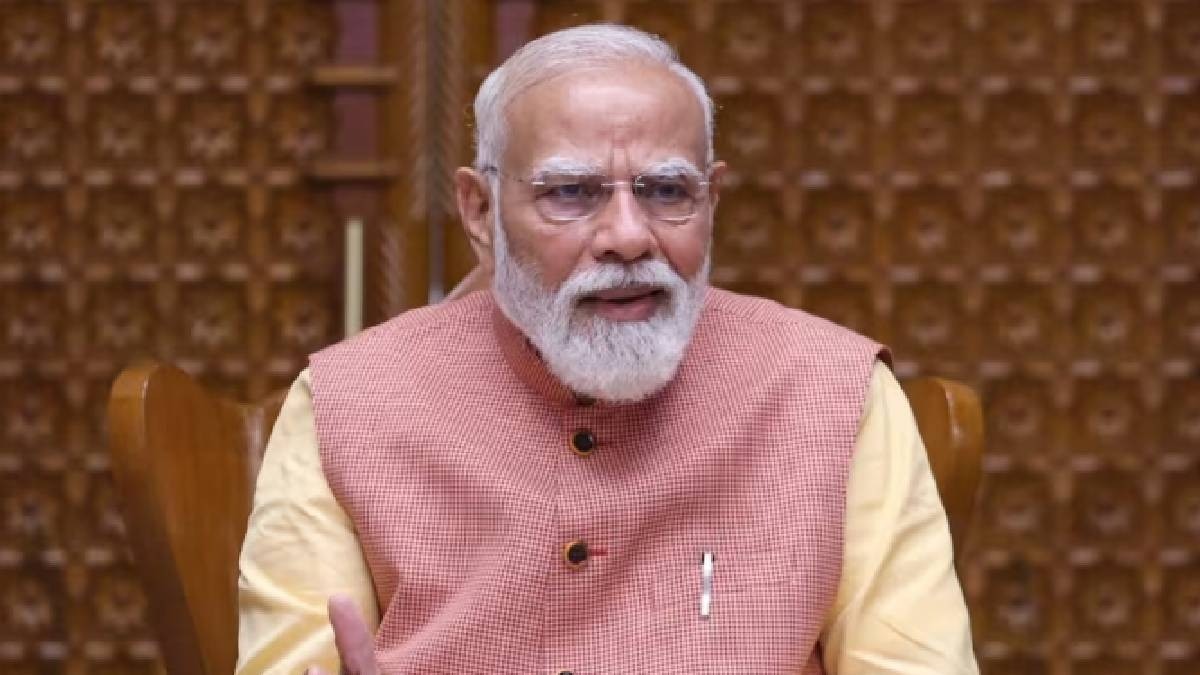
At a marathon four-hour meeting, PM Modi laid out his vision with characteristic firmness. The core message: India must urgently diversify its energy portfolio and reduce its vulnerability to international crises. “Explore alternative energy sources,” he reportedly stated, making it clear that the time for incremental change is over. This isn’t merely a reactive measure; it’s a strategic pivot, emphasizing a long-term shift away from conventional, fossil fuel-based energy.
The Prime Minister didn’t stop at broad strokes. He specifically highlighted biogas as a potent substitute for LPG cooking gas. This move signifies a clear intent to localize energy production, reduce import bills, and empower rural communities with sustainable solutions. The directive comes with an equally strong call to action: “Implement reforms with vigour,” Modi urged, reminding his team that the ambitious ‘Viksit Bharat 2047’ (Developed India by 2047) vision isn’t just a promise, but a binding commitment.
A Leap Towards Biogas
Why biogas, and why now? Biogas, produced from organic waste like agricultural residue, animal dung, and municipal waste, offers a multi-faceted solution for India. It’s a renewable energy source that can significantly cut down on the nation’s reliance on imported LPG, providing cleaner cooking fuel to millions, especially in semi-urban and rural areas. Beyond energy, it addresses critical issues of waste management and pollution, offering a sustainable, circular economy model. This focus underscores India’s commitment to not just energy independence but also environmental stewardship.
India’s Energy Tightrope
For decades, India has navigated a complex energy landscape. A rapidly growing economy and population translate into ever-increasing energy demands. While significant strides have been made in renewable energy, particularly solar and wind, fossil fuels still form the backbone of the nation’s energy mix. This dependency leaves India exposed to the unpredictable currents of global geopolitics and market volatility. Modi’s latest directive aims to aggressively de-risk this position, accelerating the transition to a more resilient and self-sufficient energy system.
Beyond the Crisis: Vision for 2047
The West Asia crisis may be the immediate catalyst, but the underlying drive is the long-term vision for ‘Viksit Bharat 2047’. Achieving developed nation status isn’t just about economic growth; it’s also about energy security, sustainability, and technological leadership. A diversified, robust energy sector is foundational to this dream. The push for alternative energies, therefore, is an investment in India’s future, ensuring that its progress is fueled by indigenous, green, and stable sources, rather than being held hostage by distant conflicts.
The Road Ahead
The Prime Minister’s diktat sets a clear agenda for ministers and officials. It will necessitate rapid policy formulation, significant investment in research and development, and the creation of robust infrastructure for alternative energy production and distribution. Public awareness campaigns will be crucial to encourage adoption, especially for solutions like biogas. This isn’t a task for a single ministry; it’s a coordinated national effort requiring collaboration across sectors, from agriculture and rural development to science and technology. The coming months will likely see a flurry of activity aimed at fast-tracking India’s energy transformation.
*
Why This Matters
This isn’t just another government directive; it’s a critical inflection point for India’s energy future. By aggressively pursuing alternative energy sources, PM Modi aims to insulate Indian consumers from global shocks, bolster national security, and accelerate the journey towards a sustainable, self-reliant “Viksit Bharat.” It signals a proactive, bold stance against external vulnerabilities, promising a future where India powers its own growth, on its own terms.