A diplomatic bombshell has just rocked the already volatile Horn of Africa. Sudan’s military has leveled explosive accusations against both Ethiopia and the United Arab Emirates, claiming the two nations are behind drone attacks targeting its territory. In a dramatic escalation, Khartoum has already recalled its ambassador, signaling a severe downturn in relations and further complicating the region’s complex geopolitical landscape.
### The Allegations: Drones and Dangerous Liaisons
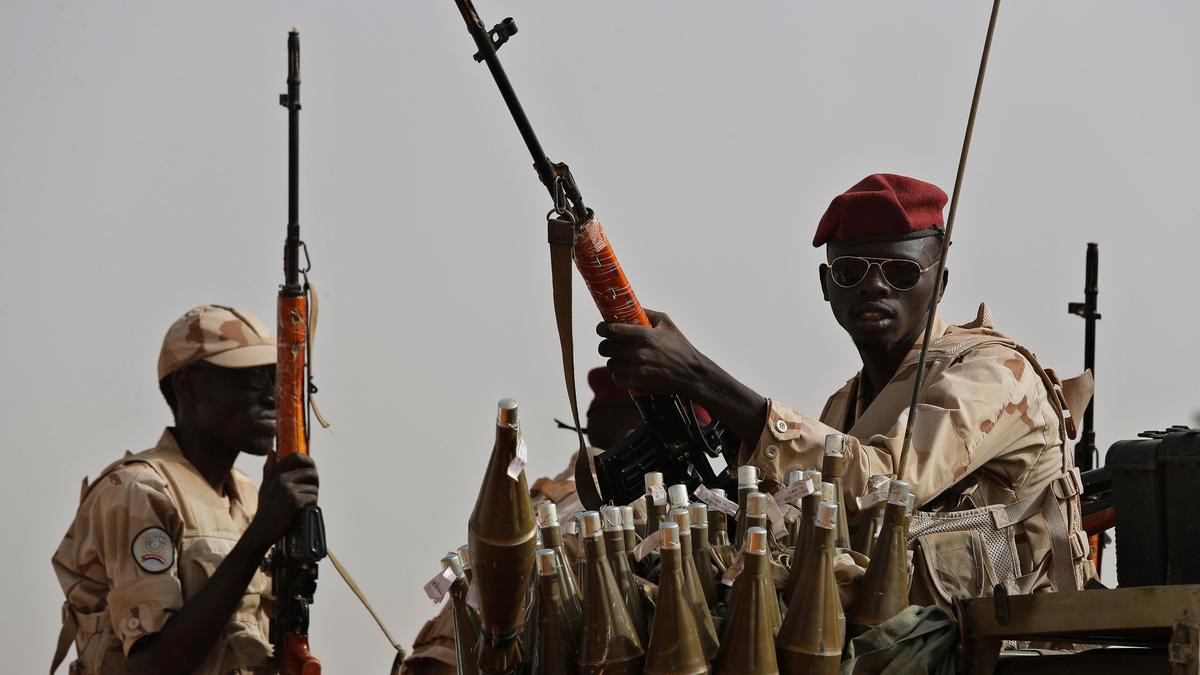
The Sudanese Armed Forces (SAF), currently locked in a brutal civil war against the Rapid Support Forces (RSF), did not mince words. In an official statement, military sources alleged that sophisticated drone operations, originating from or supported by Ethiopia and the UAE, have been observed and even implicated in recent strikes within Sudanese borders. While specific details on the targets or the nature of these drone attacks remain sparse, the accusation itself is a powerful and dangerous one, pointing to external interference in Sudan’s devastating internal conflict.
These claims suggest a worrying expansion of foreign involvement in a war that has already displaced millions and pushed Sudan to the brink of collapse. The use of drones, a hallmark of modern warfare, raises the stakes significantly, hinting at a potential transfer of advanced military technology and strategic support to one side or another.
### Khartoum’s Swift Response: Diplomatic Freeze
In a direct and unequivocal response to these grave allegations, Sudan’s transitional government, aligned with the SAF, immediately announced the recall of its ambassador. While the official statement didn’t explicitly name which capital the ambassador was being recalled from, the context strongly suggests Ethiopia, given the long-standing tensions and the direct accusation. This diplomatic maneuver is far more than a symbolic gesture; it is a clear message of severe disapproval and a direct challenge to the accused nations, demanding accountability and an end to perceived intervention.
Such a move typically precedes further diplomatic downgrades or even a complete severance of ties, indicating the depth of Khartoum’s anger and concern. It forces the international community to take notice and potentially mediate a burgeoning crisis that could destabilize the entire region.
### Sudan’s Internal Strife: A Nation Divided
These new accusations land squarely in the middle of Sudan’s catastrophic civil war, which erupted in April 2023. The conflict pits the SAF, led by General Abdel Fattah al-Burhan, against the RSF, a powerful paramilitary group commanded by General Mohamed Hamdan Dagalo, widely known as Hemedti. What began as a power struggle quickly devolved into a full-scale humanitarian disaster, characterized by widespread violence, ethnic cleansing allegations, and the collapse of essential services.
Millions have been displaced, both internally and across borders, creating one of the world’s most severe displacement crises. Humanitarian organizations have repeatedly warned of impending famine, while reports of atrocities continue to emerge, painting a grim picture of a nation tearing itself apart. Against this backdrop, any foreign intervention, real or perceived, is seen as pouring fuel on an already raging fire.
### A Tangled Web: Regional Dynamics
The accusations against Ethiopia and the UAE are not occurring in a vacuum. Relations between Sudan and Ethiopia have historically been complex, marked by border disputes, particularly over the fertile al-Fashaga triangle, and differing stances on regional water security, most notably concerning the Grand Ethiopian Renaissance Dam (GERD) on the Nile. Sudan, downstream from Ethiopia, has long expressed concerns about the dam’s impact on its water supply. Any perceived Ethiopian military involvement in Sudan’s conflict would gravely exacerbate these existing frictions.
The UAE, a significant regional player, has been previously accused by various factions and reports of supporting the RSF with arms and logistical aid, though Abu Dhabi has consistently denied such claims, stating its commitment to a peaceful resolution. These new drone accusations, if substantiated, would lend significant weight to allegations of its active military involvement, deepening its entanglement in the Sudanese quagmire. The intricate web of alliances and rivalries in the Horn of Africa means that a flare-up between Sudan and these nations could have wide-ranging consequences for security and stability across the continent.
### International Community on Edge
The international community, already struggling to find a diplomatic solution to Sudan’s civil war, will undoubtedly view these accusations with alarm. Major global powers and regional bodies like the African Union and IGAD (Intergovernmental Authority on Development) have consistently called for an end to external interference in Sudan. The latest allegations could trigger urgent calls for independent investigations, de-escalation efforts, and potentially even sanctions against any state found to be directly fueling the conflict. The danger of the Sudanese conflict spiraling into a broader regional confrontation is now more palpable than ever.
### Why This Matters
These accusations mark a dangerous turning point in Sudan’s civil war and regional dynamics. If true, they confirm significant foreign military intervention, escalating an already dire conflict and complicating any path to peace. Beyond Sudan, the allegations threaten to ignite new diplomatic crises and potentially military confrontations between key regional players, jeopardizing stability across the Horn of Africa and the wider Middle East. It’s a stark reminder of how quickly local conflicts can become international flashpoints.
### The Road Ahead
As the diplomatic fallout unfolds, the immediate future remains uncertain. Ethiopia and the UAE are yet to issue comprehensive official responses to Sudan’s claims. The global spotlight will now intensely focus on the region, urging transparency and restraint. The credibility of these accusations, the responses from Addis Ababa and Abu Dhabi, and the ensuing actions by the international community will determine whether this marks an isolated incident or the ominous start of a broader, more dangerous regional conflict.