
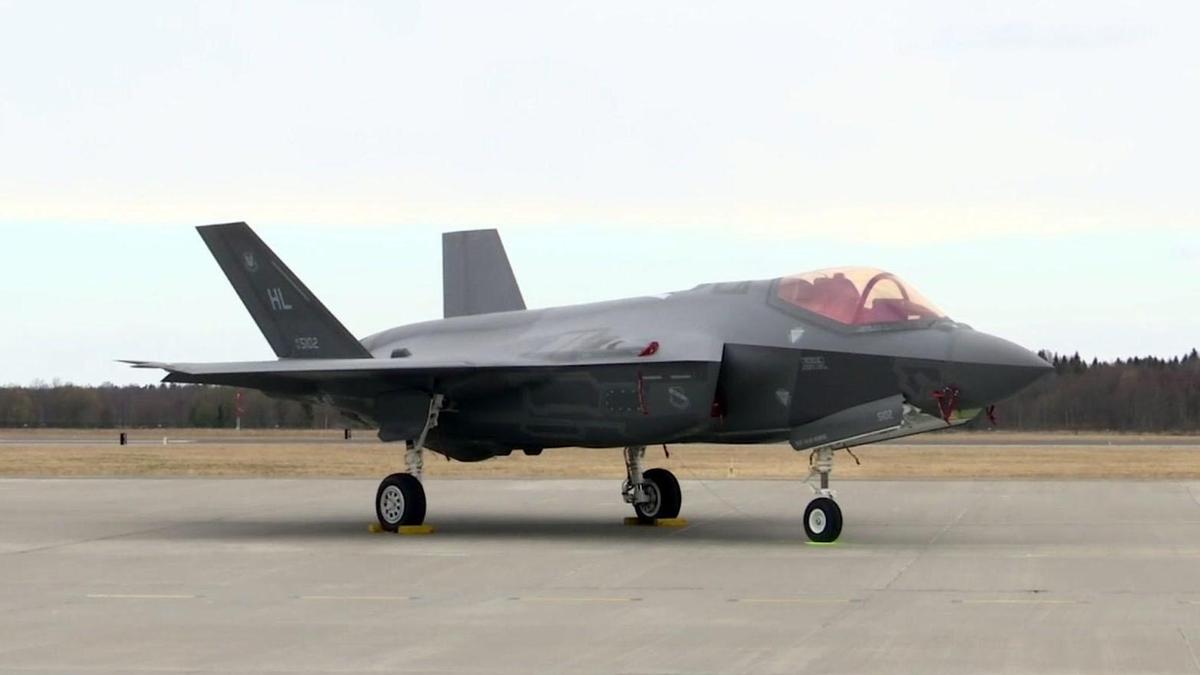
In a significant move that promises to reshape the strategic landscape of the Middle East, Israel has officially approved a colossal deal to acquire a new squadron of advanced fighter jets from the United States. The decision, coming from Israel’s Ministry of Defense, signals a robust commitment to maintaining its qualitative military edge (QME) in an increasingly volatile region.
The Green Light
The approval marks a pivotal moment in the long-standing defense relationship between the two allies. While specific details regarding the exact number of aircraft, their model, and the total financial outlay are still emerging, sources close to the negotiations indicate a multi-billion dollar package. This latest procurement is expected to significantly bolster the Israeli Air Force’s (IAF) capabilities, providing an upgrade to its existing fleet and ensuring its continued technological superiority.
The deal has been years in the making, involving complex negotiations between the defense establishments of both nations. The final nod from Israel underscores a strategic imperative to modernize its aerial combat platforms, responding to evolving threats and geopolitical shifts in its neighborhood.
Why Advanced Jets Now?
For Israel, national security is paramount, and the acquisition of cutting-edge military hardware is a critical component of its defense doctrine. The decision to invest heavily in advanced fighter jets is driven by several factors:
* Regional Threat Assessment: The Middle East remains a hotbed of tension, with various state and non-state actors posing potential challenges. Next-generation fighter jets offer unparalleled capabilities in intelligence gathering, precision strikes, and air superiority, essential for deterring potential adversaries.
* Maintaining QME: The U.S. is committed to helping Israel maintain its QME, ensuring its military technological advantage over other regional forces. This deal directly contributes to that objective, providing Israel with platforms equipped with the latest stealth, sensor fusion, and networked warfare capabilities.
* Fleet Modernization: Like any air force, the IAF constantly seeks to replace older aircraft with newer, more capable models. This acquisition is part of a broader, long-term strategy to ensure its fleet remains agile, technologically superior, and ready for future challenges.
Washington’s Perspective
From the U.S. perspective, the sale is more than just a commercial transaction; it’s a strategic pillar of its foreign policy in the Middle East. Providing advanced defense systems to key allies like Israel serves several purposes:
* Strengthening Alliances: It reinforces the deep strategic partnership between Washington and Jerusalem, demonstrating continued U.S. commitment to Israel’s security.
* Regional Stability: A strong Israeli defense posture is seen by the U.S. as a critical factor in maintaining a delicate balance of power in the region, potentially deterring wider conflicts.
* Economic Benefits: Large-scale defense contracts like this provide significant economic benefits to the U.S. defense industry, supporting jobs and technological innovation. Lockheed Martin, a major player in advanced aircraft manufacturing, is often a key beneficiary of such deals.
Technological Edge
While the specific aircraft model hasn’t been officially confirmed in the public announcement, such “advanced fighter jets” typically refer to platforms like the F-35 Lightning II or updated variants of the F-15. These aircraft are not just planes; they are sophisticated networked weapons systems designed for multi-role missions, including:
* Stealth Capabilities: Crucial for penetrating contested airspace undetected.
* Advanced Avionics: Integrated sensor packages providing unparalleled situational awareness.
* Networked Warfare: Ability to share real-time data with other air, ground, and naval assets, creating a unified combat picture.
* Precision Strike: Delivering munitions with extreme accuracy, minimizing collateral damage.
These features make them game-changers on the modern battlefield, significantly enhancing a nation’s ability to project power and protect its interests.
What Happens Next?
Following the approval, the focus will shift to the formalization of contracts, detailed logistical planning, and the eventual production and delivery timeline. Such complex aircraft deals often involve years of production, pilot training, and integration into the existing air force infrastructure. Israeli pilots and ground crews will undergo extensive training programs, both in Israel and potentially in the U.S., to master the sophisticated systems of these new jets. The first deliveries are usually staggered, with full operational capability achieved progressively over several years.
Why This Matters
This landmark deal underscores Israel’s unwavering commitment to its long-term security in a volatile region. By acquiring these advanced U.S. fighter jets, Israel not only bolsters its immediate defensive and offensive capabilities but also sends a clear message about its determination to maintain its strategic advantage. For the U.S., it reaffirms a critical alliance and its role as a key security provider in the Middle East. The ripples of this decision will undoubtedly be felt across the region, potentially influencing the defense strategies and procurement decisions of other nations for years to come.