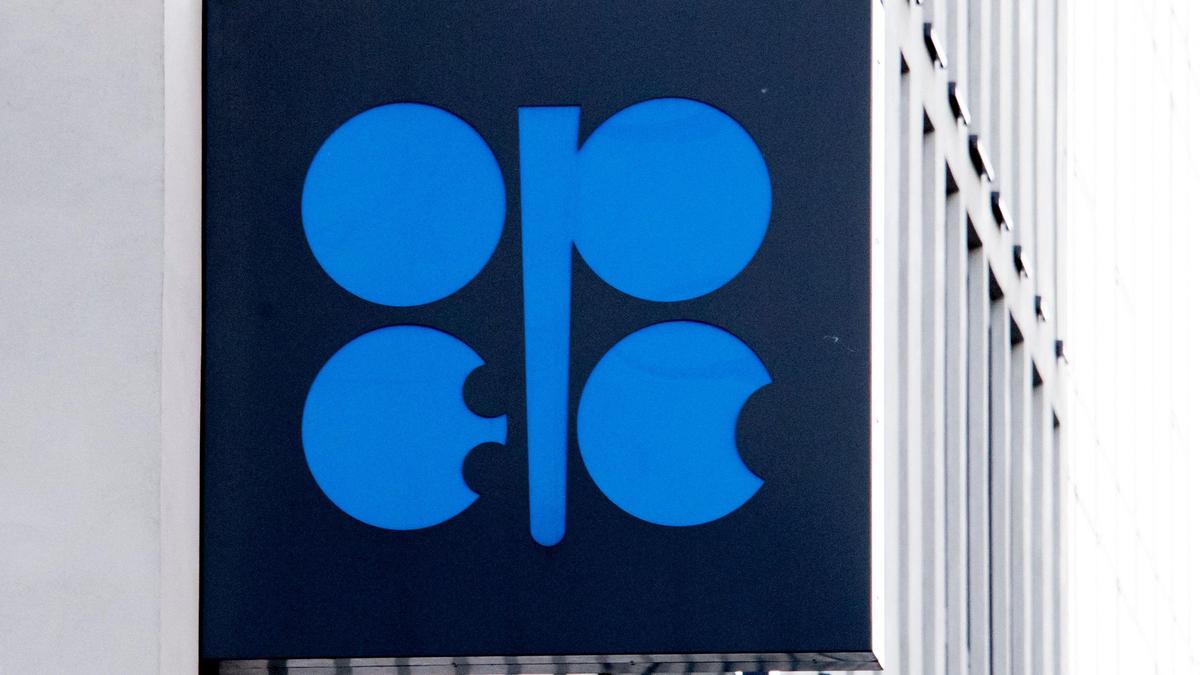
The global oil market just got a significant jolt. In a move that reverberated through commodity exchanges and energy ministries alike, the OPEC+ alliance has announced a hike in its oil production quotas. The decision aims to inject more crude into the market, a development keenly watched by consumers and economists worldwide. But beneath the surface of this seemingly straightforward economic play, an intriguing silence hung heavy: the alliance made no mention of ongoing whispers and reports regarding a potential UAE pull-out or its distinct production ambitions.
The Production Boost Explained
At its latest high-stakes meeting, the cartel of oil-producing nations, led by Saudi Arabia and Russia, agreed to open the taps further. This increase comes at a crucial time, with global economies grappling with fluctuating energy demands, inflation concerns, and geopolitical uncertainties. The consensus among analysts is that the hike is a strategic response, likely aimed at balancing market stability, preventing super-spikes in crude prices that could stifle global economic recovery, and ensuring producers capture market share amidst robust demand forecasts.
For everyday consumers, this decision could translate into a slight easing at the gas pump, offering a glimmer of relief from stubbornly high fuel costs. For industries, particularly those heavily reliant on crude derivatives, it suggests a more predictable supply landscape in the short term. However, the exact impact will depend on the scale of the increase and how swiftly member nations can meet their elevated targets.
The Unspoken Tension: UAE’s Ambition
While the production hike grabbed headlines, the real drama unfolded in what wasn’t said. For months, reports have circulated about the United Arab Emirates’ dissatisfaction with its current production quota within the OPEC+ framework. A major oil producer with significant untapped capacity and ambitious economic diversification plans, the UAE has reportedly been pushing for a higher output ceiling, arguing that its current allocation doesn’t reflect its true potential or national interests. Some sources have even hinted at the possibility of the UAE reconsidering its long-term commitment to the alliance if its demands aren’t met.
The fact that the latest OPEC+ communiqué completely sidestepped this contentious issue is telling. It suggests a calculated diplomatic maneuver, perhaps to avoid publicly airing internal disagreements that could undermine the alliance’s fragile unity. Is it a temporary truce? A deferral of a difficult conversation? Or a clear signal that the group intends to maintain its collective discipline, even if it means individual members feel their aspirations are being curtailed? The silence is deafening, leaving market observers to speculate on the health and future cohesion of the powerful energy bloc.
Market Ripples and Geopolitical Chess
The twin narratives — increased production and the unspoken UAE tension — create a complex scenario for the global oil market. On one hand, more oil supply could calm prices and support economic growth. On the other, unresolved internal conflicts within OPEC+ introduce an element of risk. Any major player, particularly one as significant as the UAE, acting unilaterally could disrupt the delicate supply-demand balance and send shockwaves through the market.
This dynamic also has significant geopolitical implications. OPEC+ has emerged as a critical force in global energy policy, capable of influencing economic stability and international relations. Its ability to maintain cohesion amidst differing national interests, particularly as the world transitions towards cleaner energy, will be under constant scrutiny. The recent decision and its silent backdrop underscore the intricate dance of economics, diplomacy, and national ambition that defines the world of oil.
The Road Ahead for OPEC+
The alliance now faces a critical juncture. While the production increase might appease some external pressures and address immediate market needs, the underlying tension with members like the UAE remains a potential fault line. The coming months will reveal whether the current strategy of increasing output while omitting sensitive internal discussions can hold. For a group whose power lies in its collective action, sustained internal dissent could challenge its authority and effectiveness in managing future oil supplies. All eyes will be on how these powerful nations navigate their individual ambitions within the collective good.
Why This Matters
This OPEC+ decision is more than just about barrels of oil; it impacts every facet of our lives. From the cost of your daily commute and the price of goods on supermarket shelves to the stability of national economies, oil remains a foundational commodity. The alliance’s move to boost production offers a potential balm to inflationary pressures. Yet, the unspoken friction with the UAE reminds us that the global energy landscape is constantly shifting, influenced not just by supply and demand, but by complex geopolitical chess games and the ambitious, often divergent, interests of sovereign nations. Understanding these dynamics is crucial for grasping the forces shaping our world.