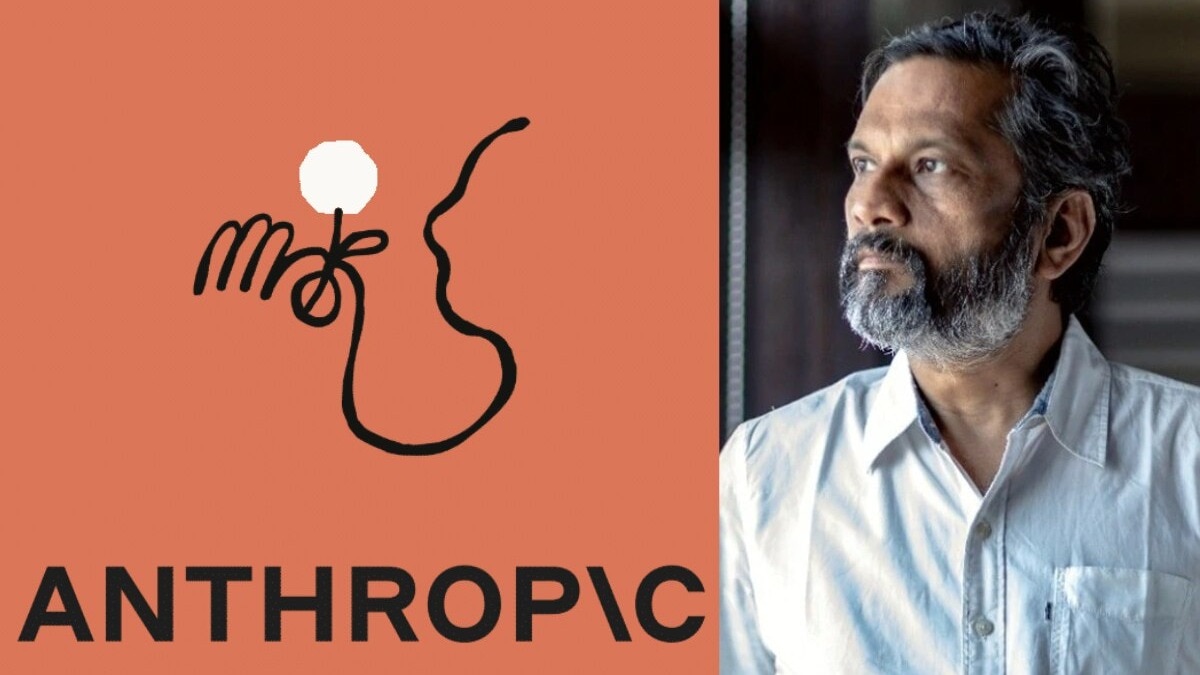
India’s push for technological independence takes center stage as Zoho founder Sridhar Vembu advocates for sovereign AI development. This call follows reported restrictions limiting access to advanced US-developed AI models for international users.
## Key Takeaways
– Zoho founder Sridhar Vembu urges India to develop its own “sovereign AI.”
– The move is prompted by reported US restrictions on AI models Mythos and Fable for users outside the United States.
– Vembu highlights the unfeasible cost of competing with major global AI players, estimated at over $100 billion.
– He suggests adopting smaller, open-source AI models, including Indian and Chinese alternatives.
– This situation is deemed a “wake-up call” for India and other nations reliant on foreign AI systems.
## Main Developments
Zoho founder Sridhar Vembu recently renewed his call for India to prioritize technological self-reliance in artificial intelligence. He specifically urged the nation to build its own “sovereign AI” capabilities.
This push follows reports that access to the Mythos and Fable AI models has been restricted for users outside the United States. Vembu highlighted this development as a critical turning point for India.
In a series of posts on X, Vembu argued that India cannot realistically compete with the substantial spending levels of the world’s largest AI developers. He noted that entering the race for state-of-the-art models could demand investments exceeding $100 billion.
Rather than relying on proprietary frontier AI systems from overseas, Vembu suggested a strategic shift. He recommended that Indian organizations increasingly adopt smaller AI models.
These alternatives include Indian and Chinese open-source options. Vembu views the recent restrictions as a “wake-up call” for India and other countries dependent on foreign AI systems. The statements were updated on June 13, 2026.
## What Next
India is likely to continue internal discussions regarding technological self-reliance in AI, spurred by Vembu’s recommendations. The emphasis on fostering local AI development and exploring open-source solutions is expected to grow.
Organizations in India may increase their focus on evaluating and adopting smaller, domestically-developed or internationally available open-source AI models. This could influence future policy considerations for AI strategy.
## Why This Matters
This development underscores the growing geopolitical implications of AI technology and access. Reliance on foreign-developed frontier AI systems can expose nations to potential restrictions, impacting their economic and strategic autonomy.
Vembu’s call highlights the significant financial barriers to entry in the global AI race for state-of-the-art models. It emphasizes the need for a pragmatic approach tailored to national capabilities and resources.
For India, building sovereign AI capability is crucial for national security and data privacy. It ensures critical infrastructure and innovation are not beholden to external policies or controls.
## Frequently Asked Questions
### What is “sovereign AI”?
Sovereign AI refers to a nation’s ability to develop, control, and deploy its own artificial intelligence technologies, reducing reliance on foreign systems and ensuring data security and national interests.
### Why is Sridhar Vembu advocating for sovereign AI?
Zoho founder Sridhar Vembu is advocating for sovereign AI after reported US restrictions cut off access to specific advanced AI models (Mythos and Fable) for non-US users. He also cites the immense cost of competing with major global AI players.
### What AI models are affected by the reported US restrictions?
The reported restrictions have reportedly cut off access to the Mythos and Fable AI models for users located outside the United States. This situation prompted Vembu’s call for Indian self-reliance.
### What alternatives does Vembu suggest for India?
Vembu suggests that Indian organizations should increasingly adopt smaller AI models. These alternatives include both Indian and Chinese open-source options.